Southwest Ethiopia
Fieldwork
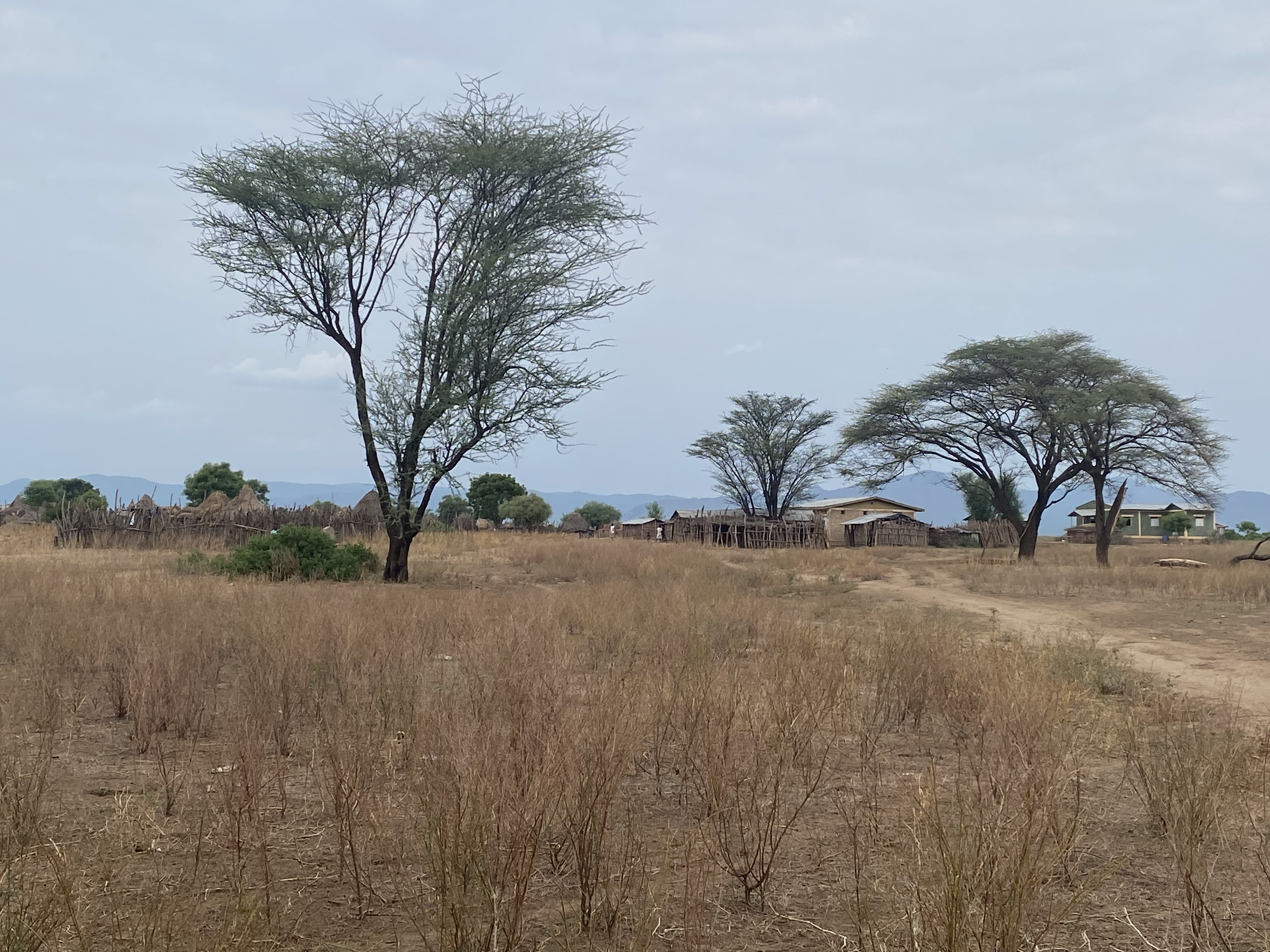
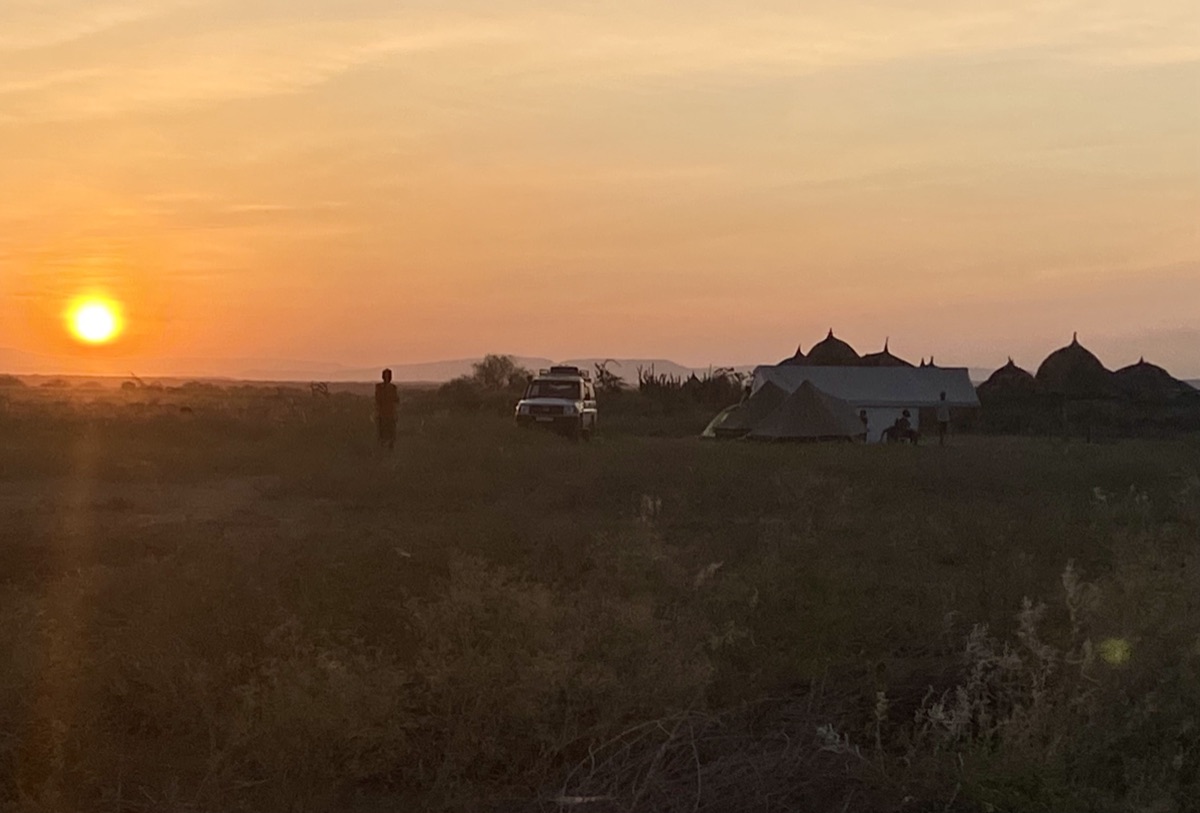
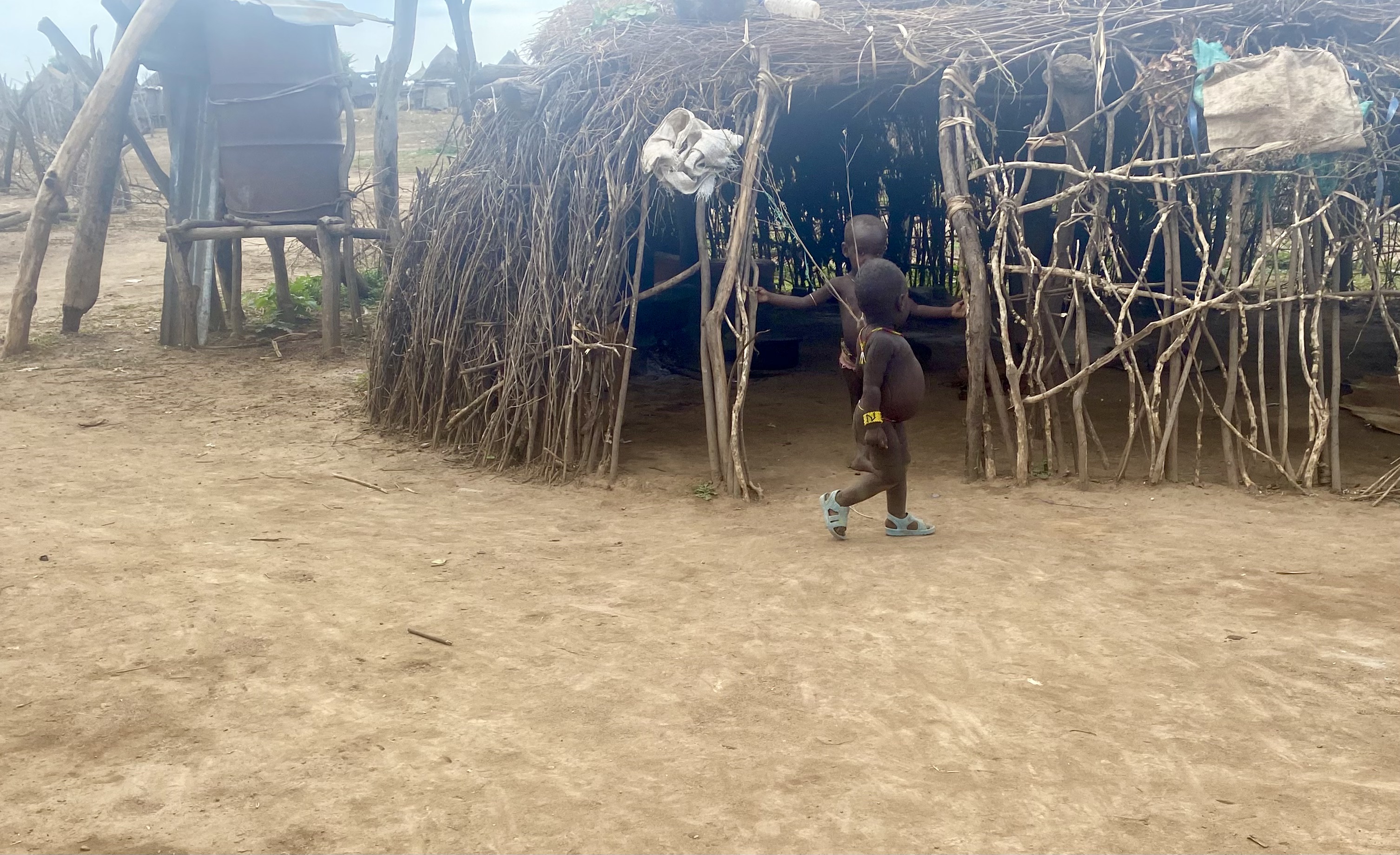
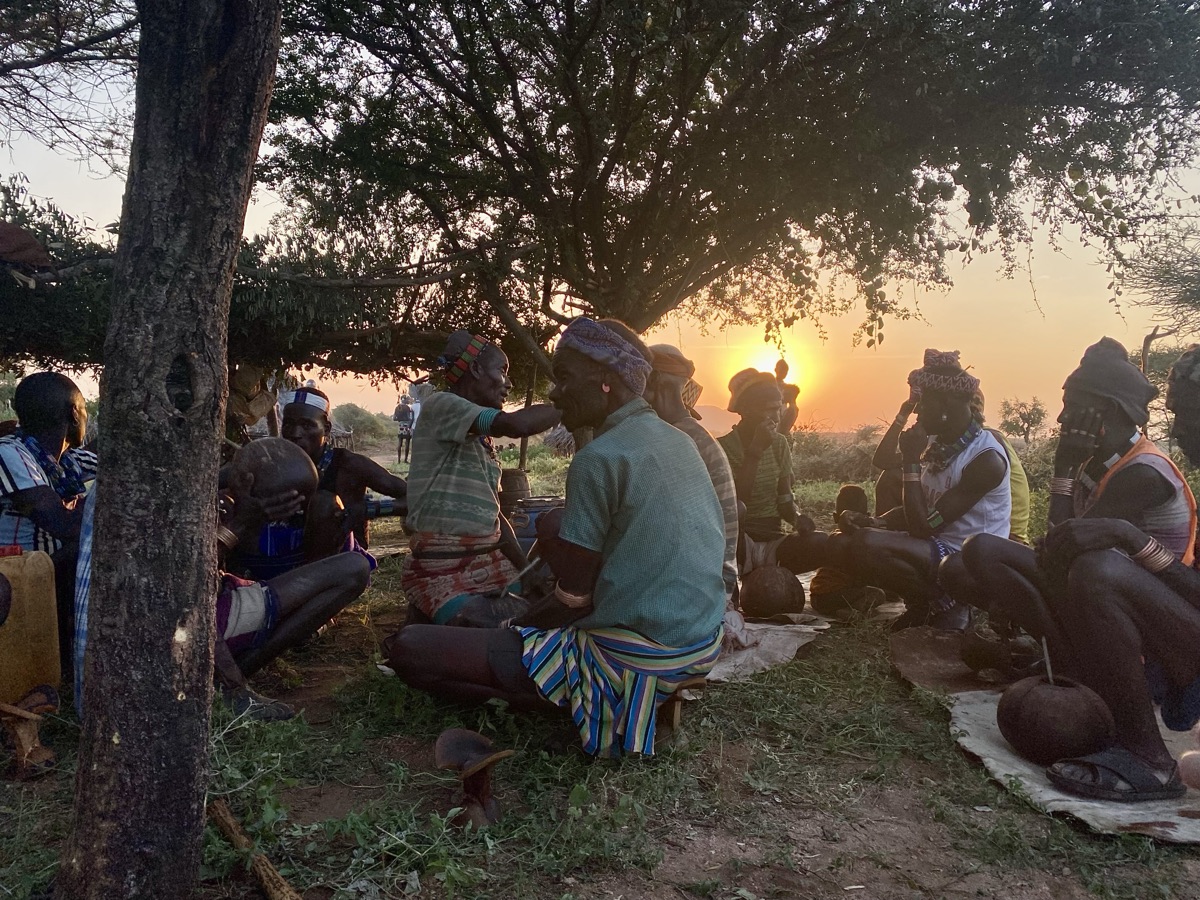
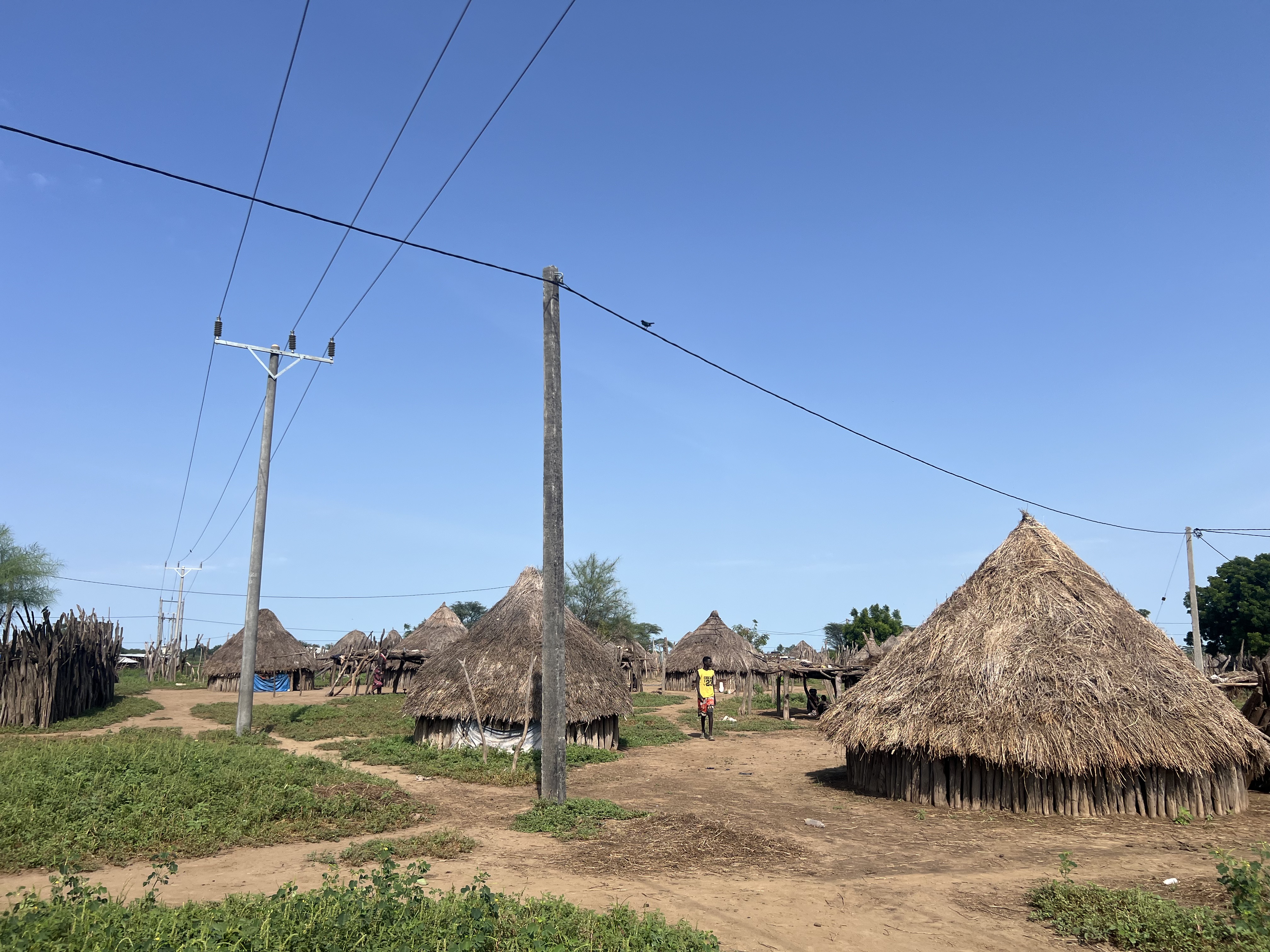
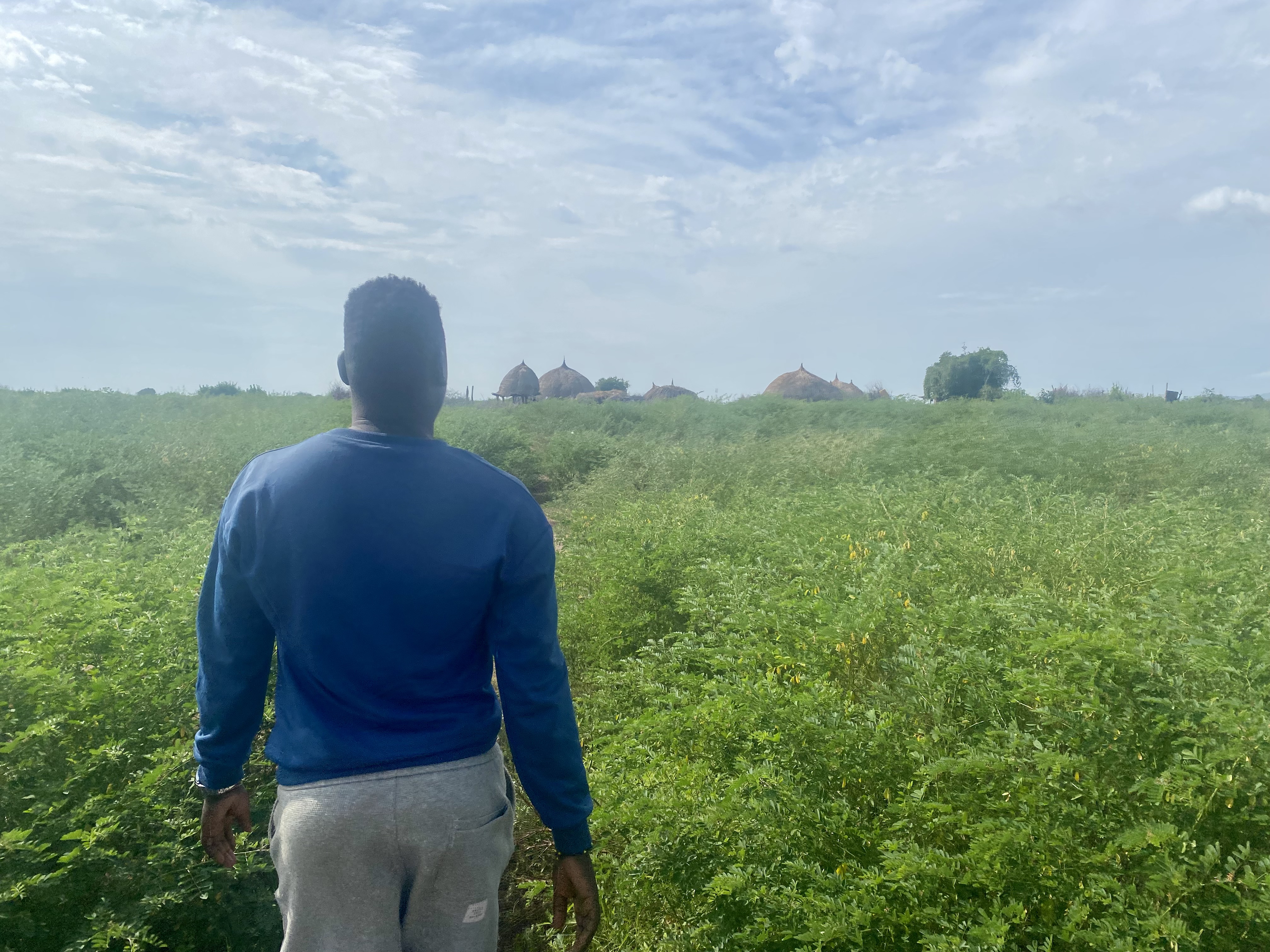
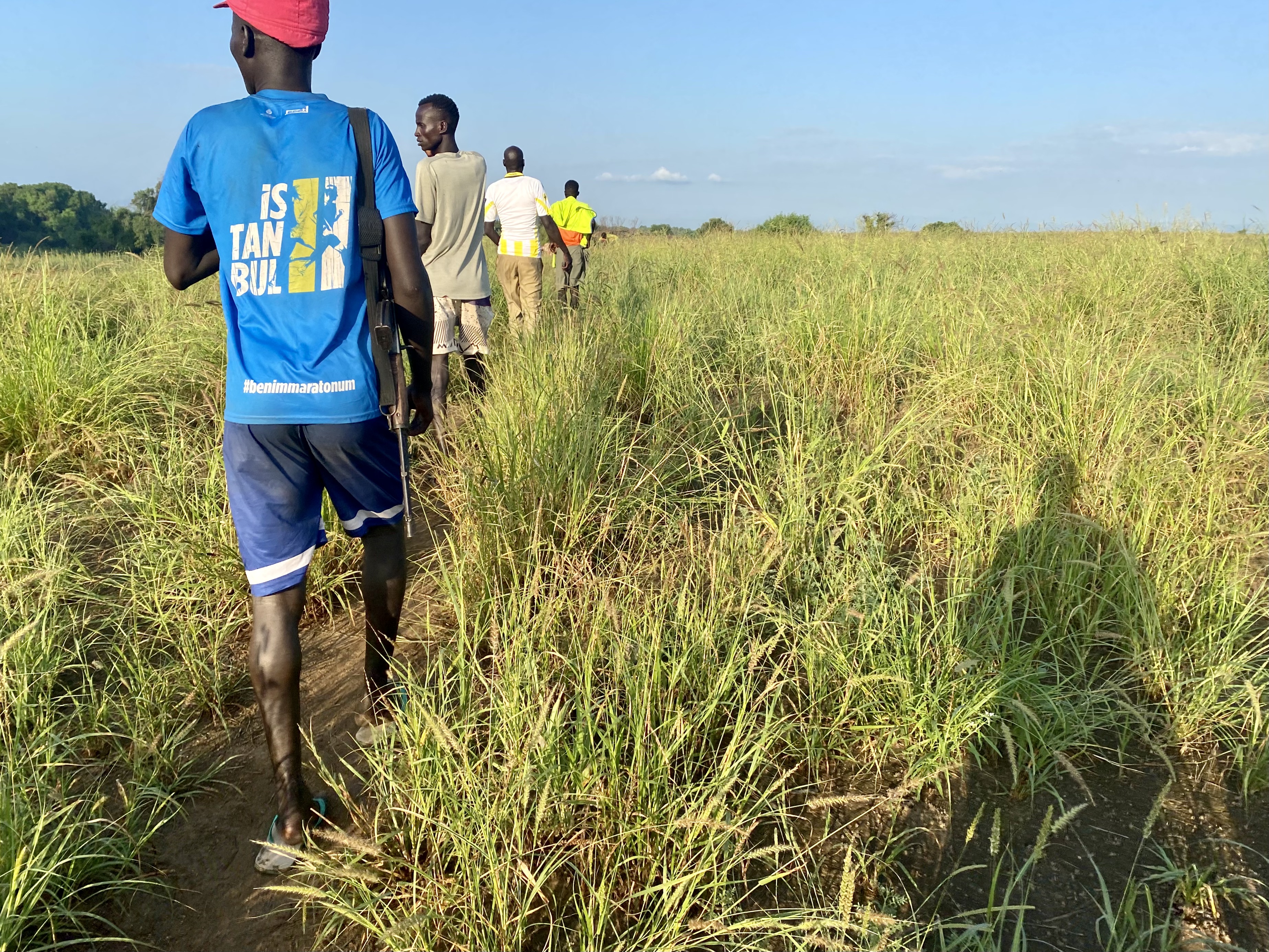
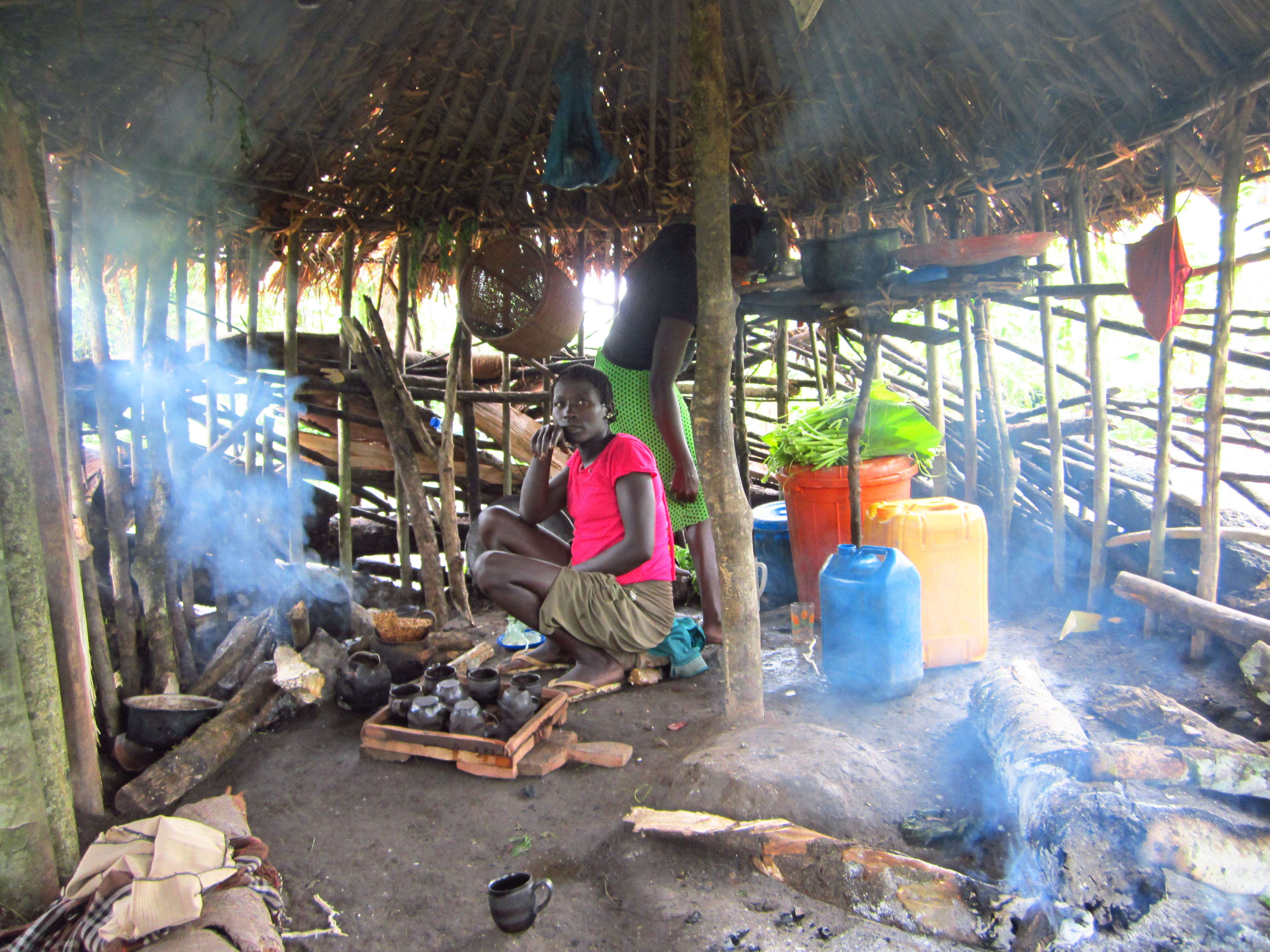
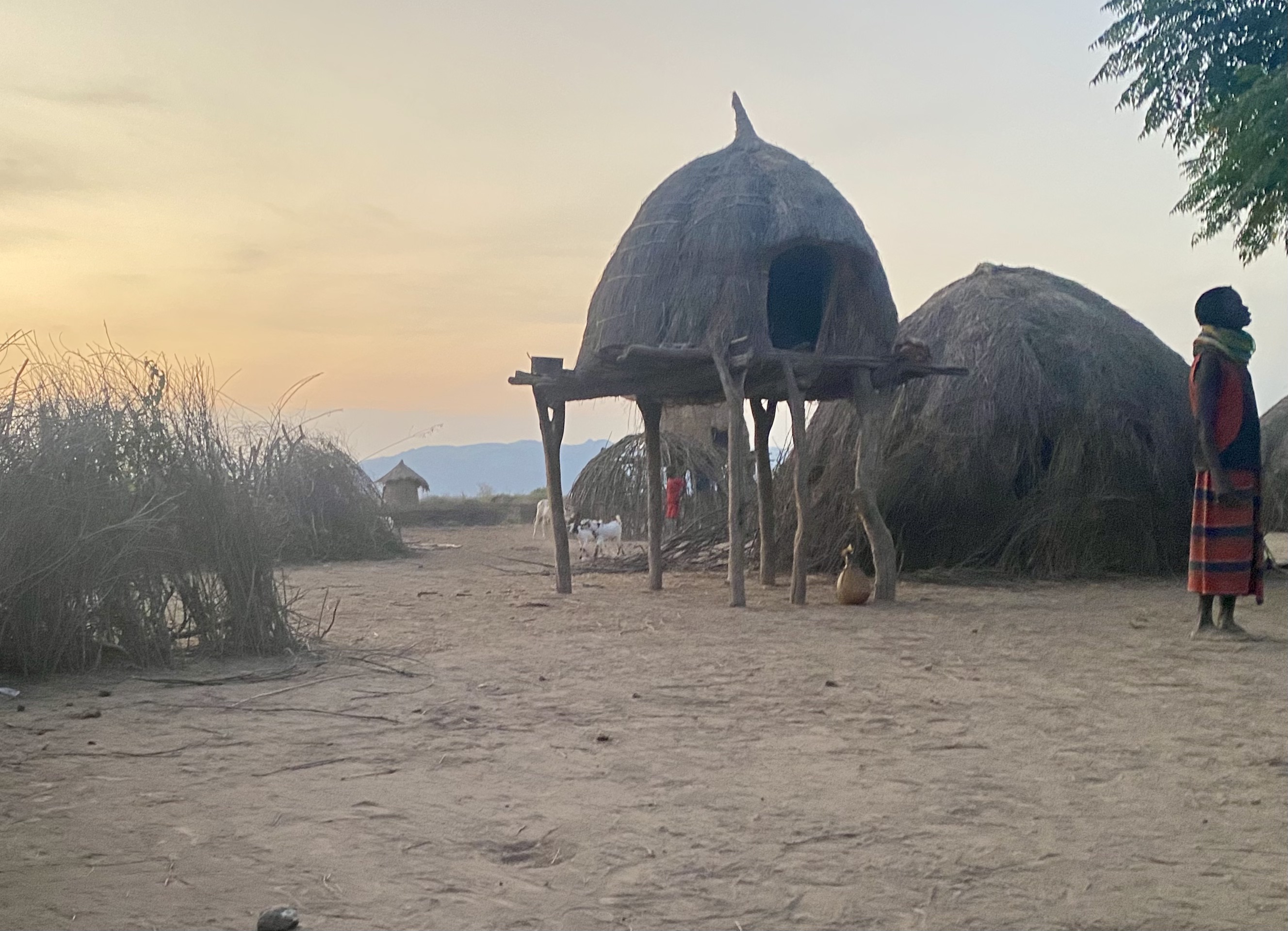
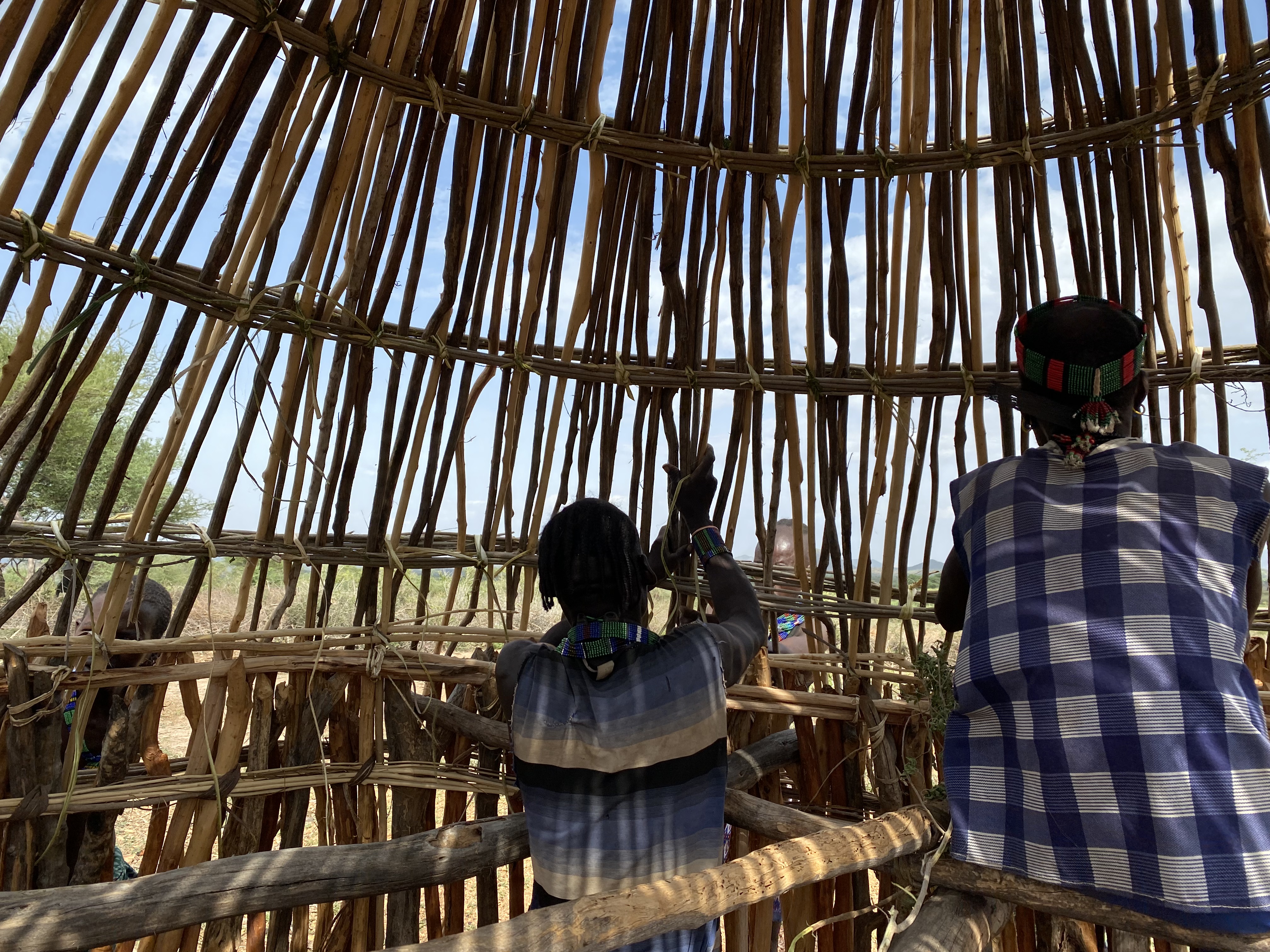
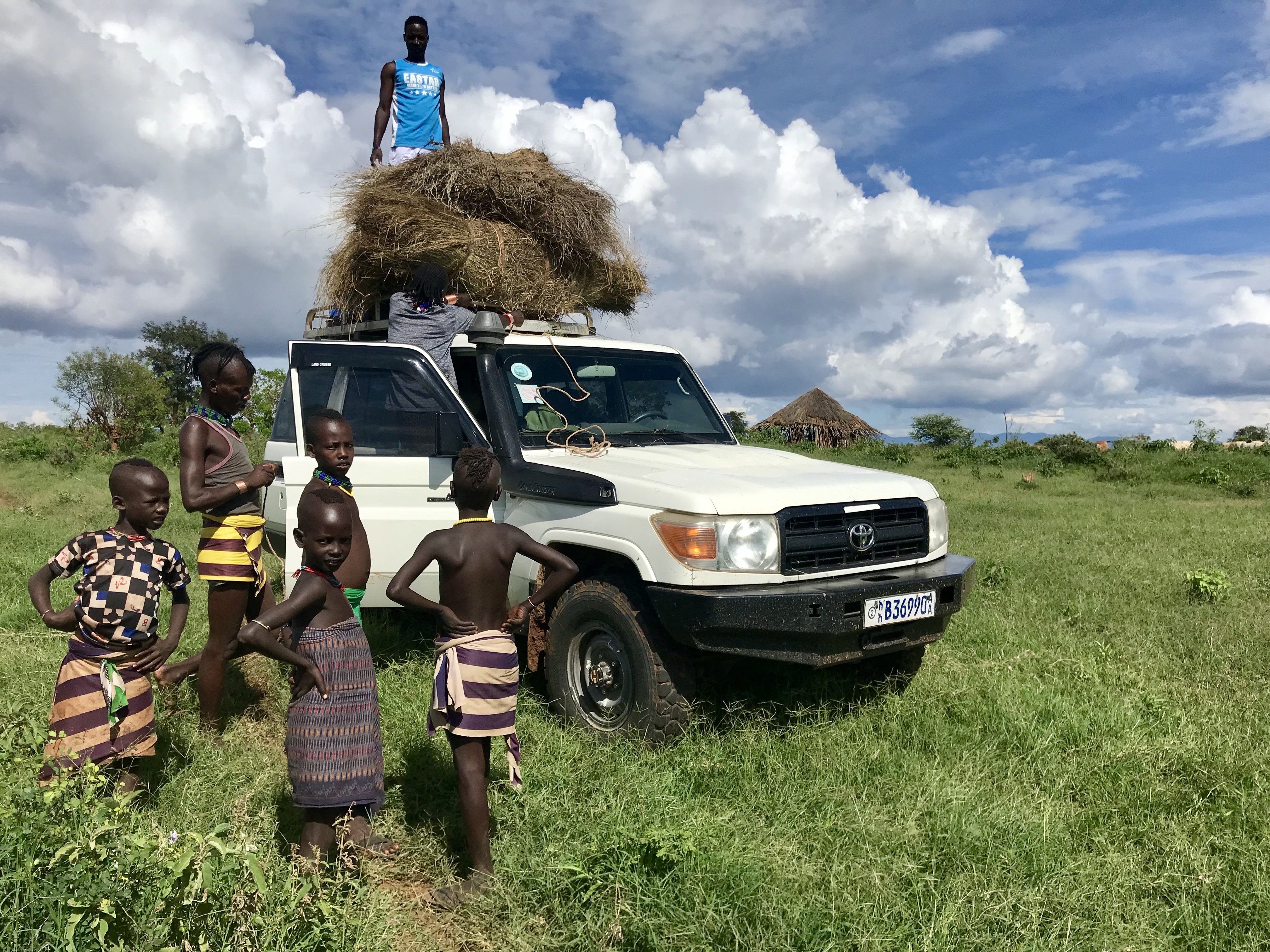
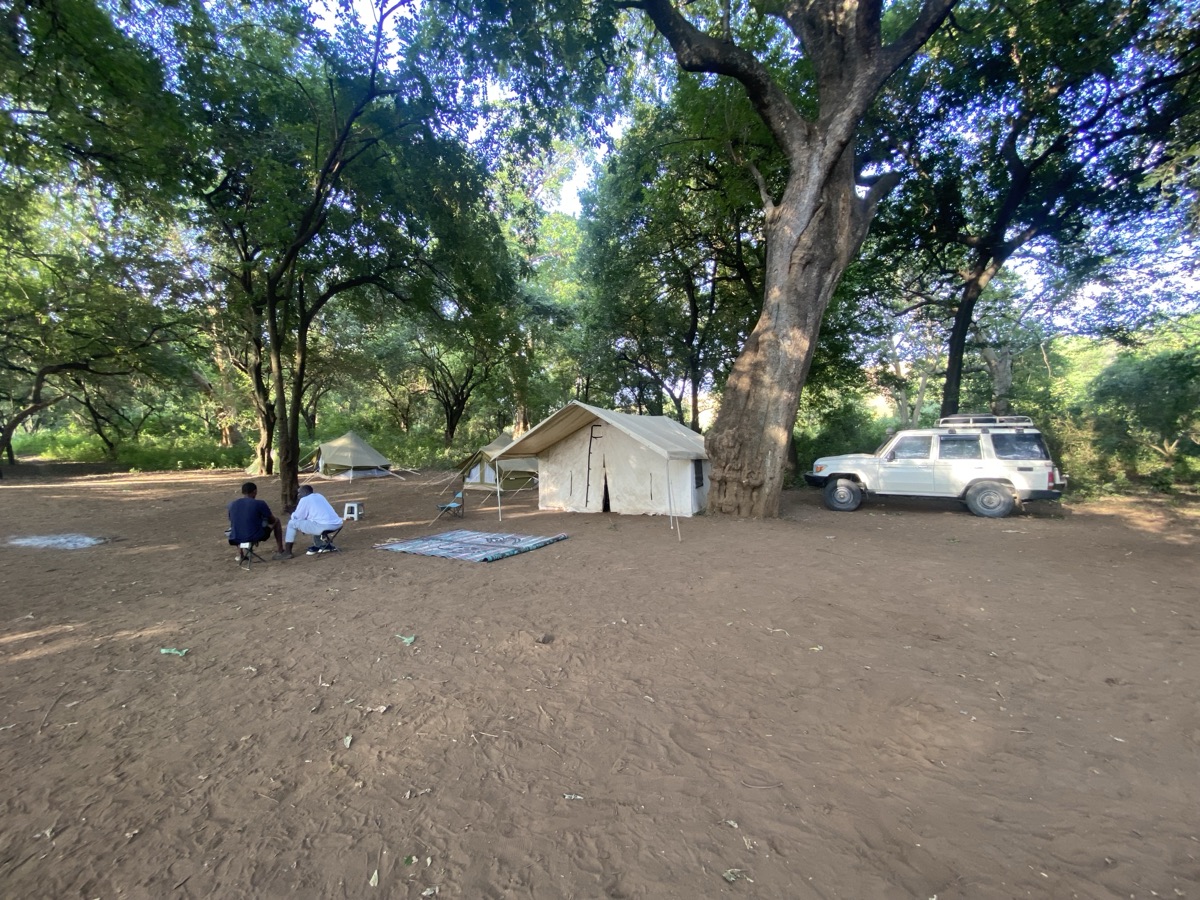
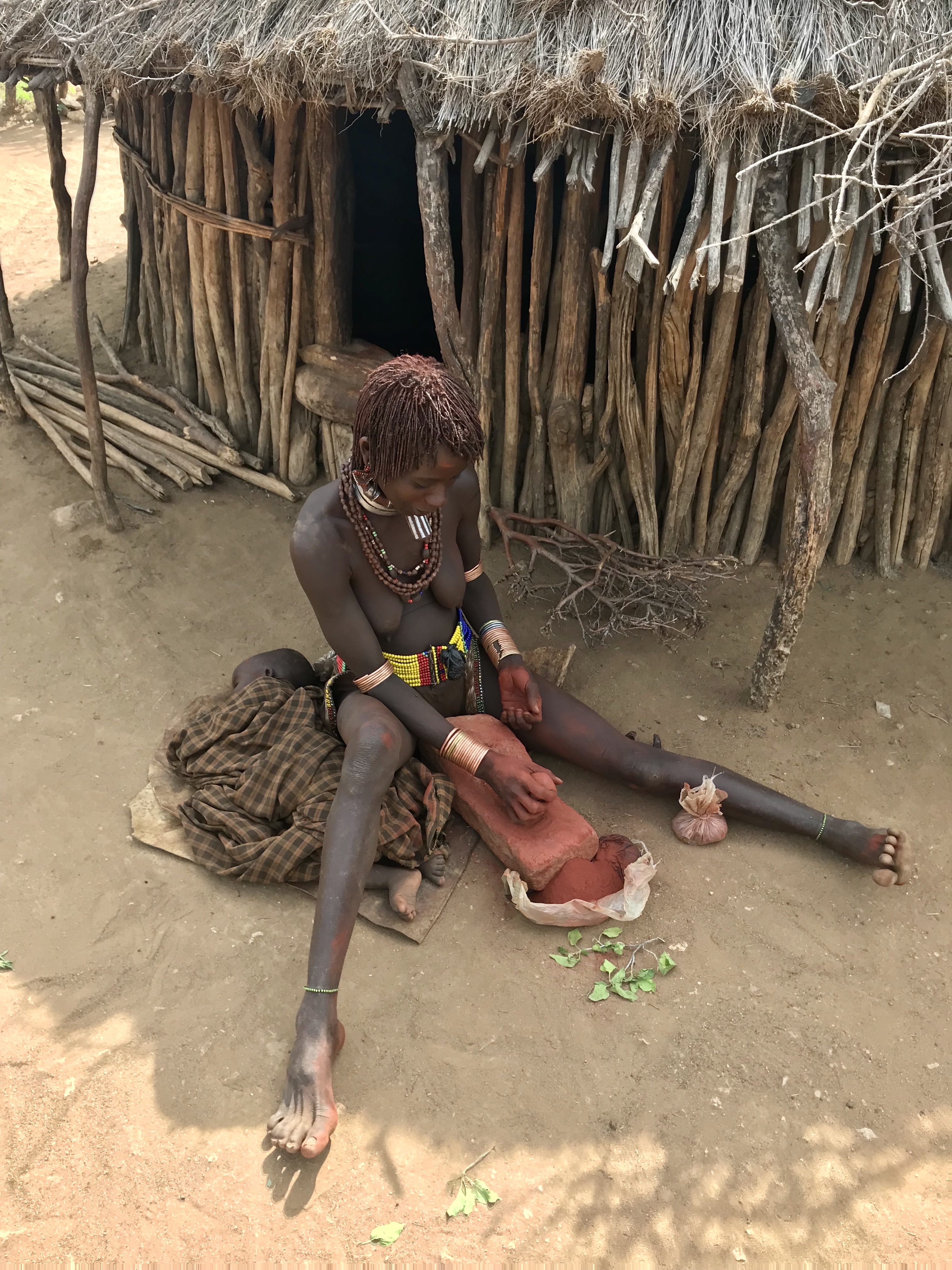
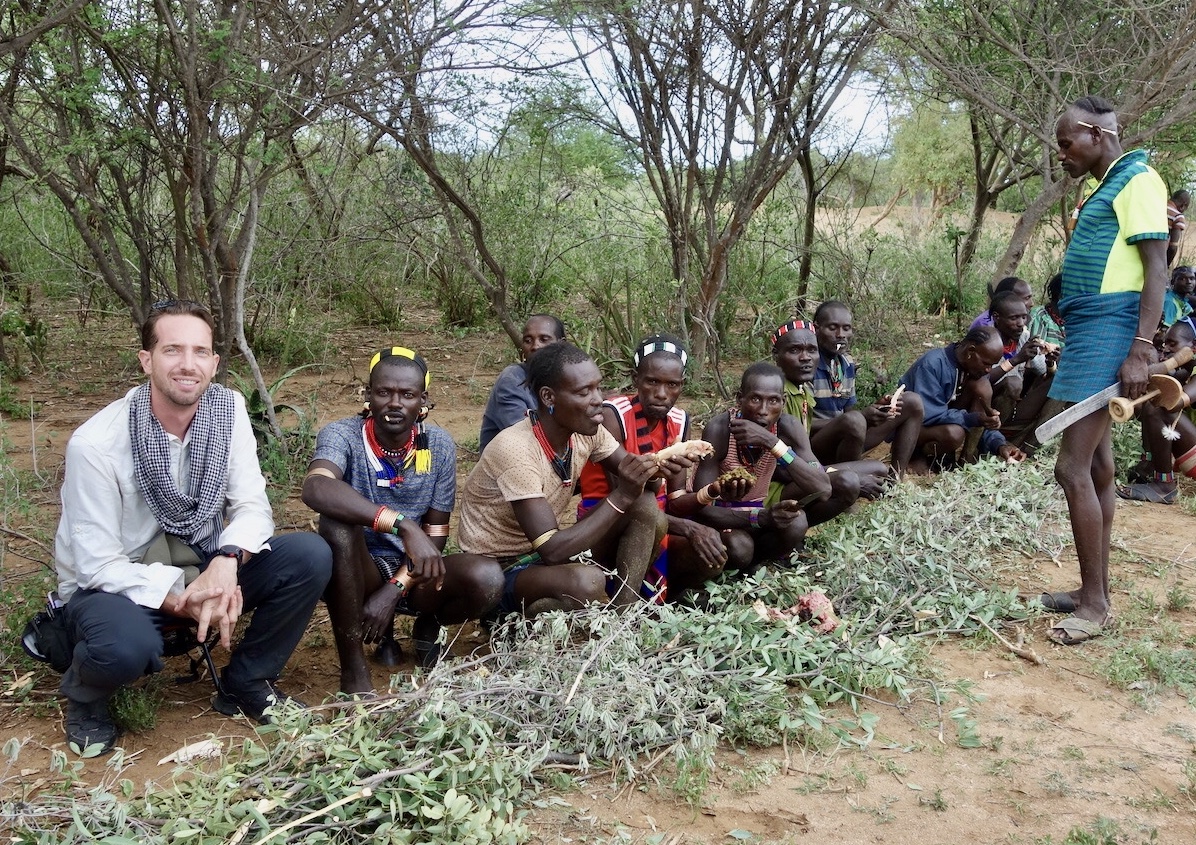
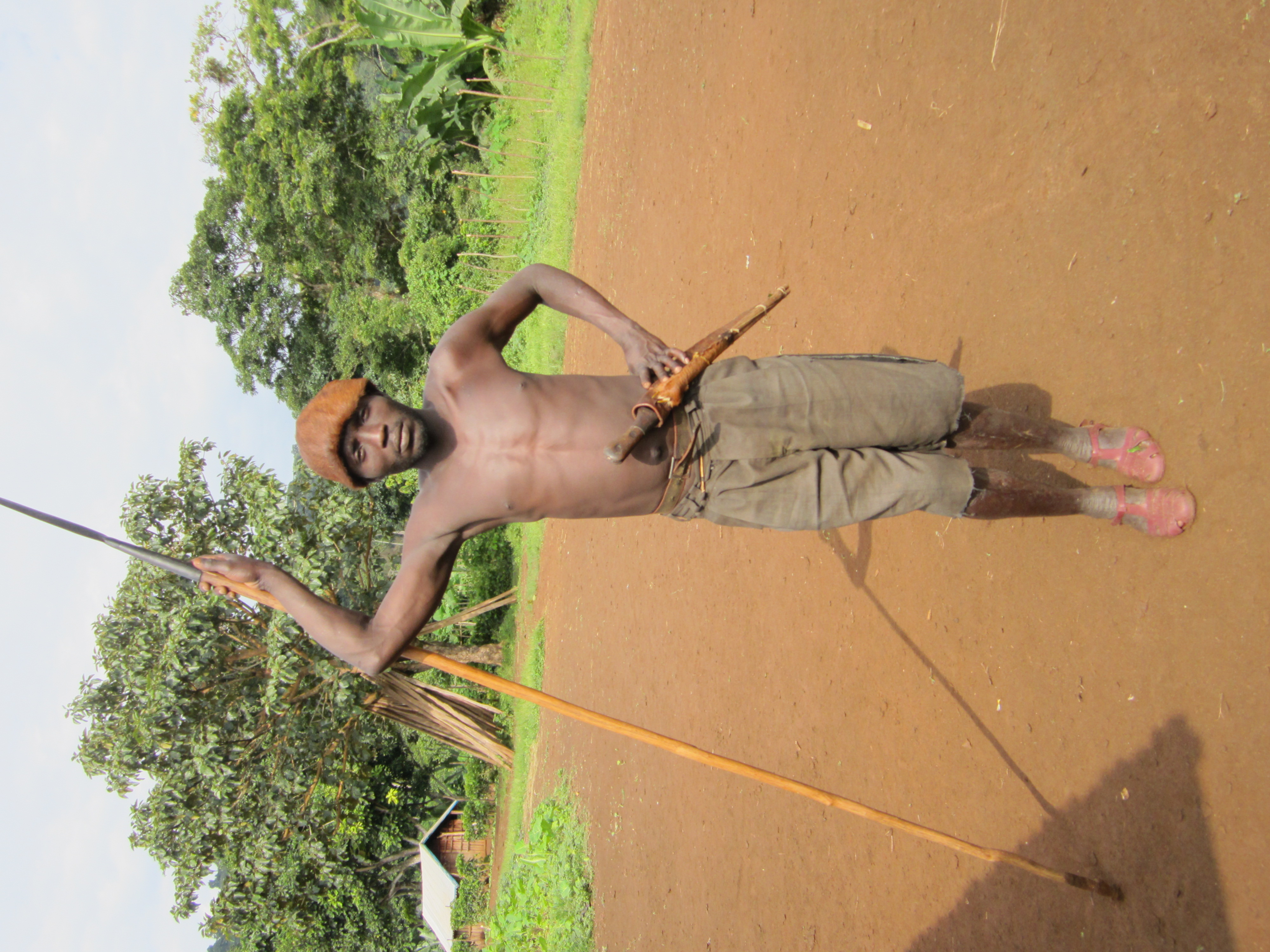
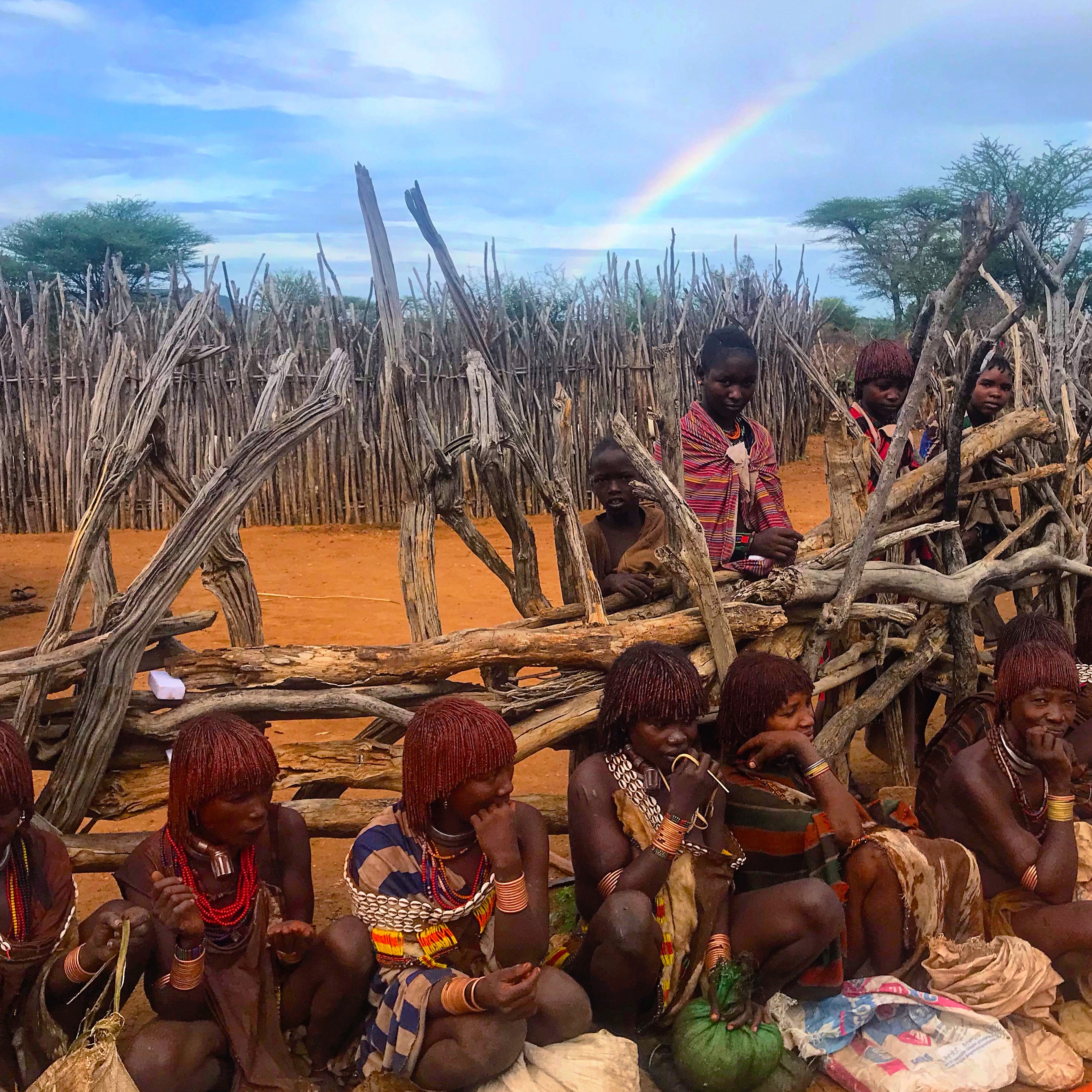
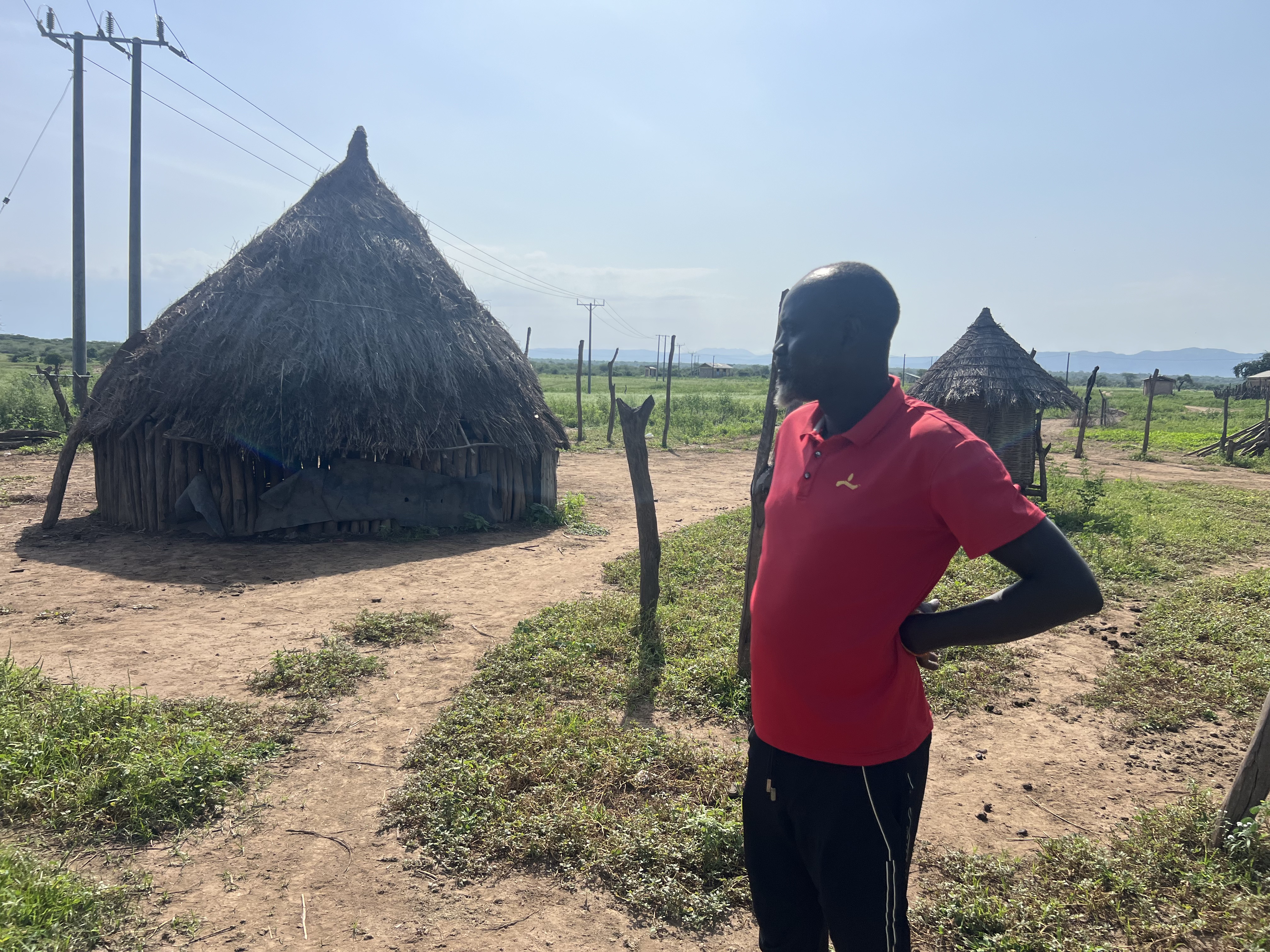
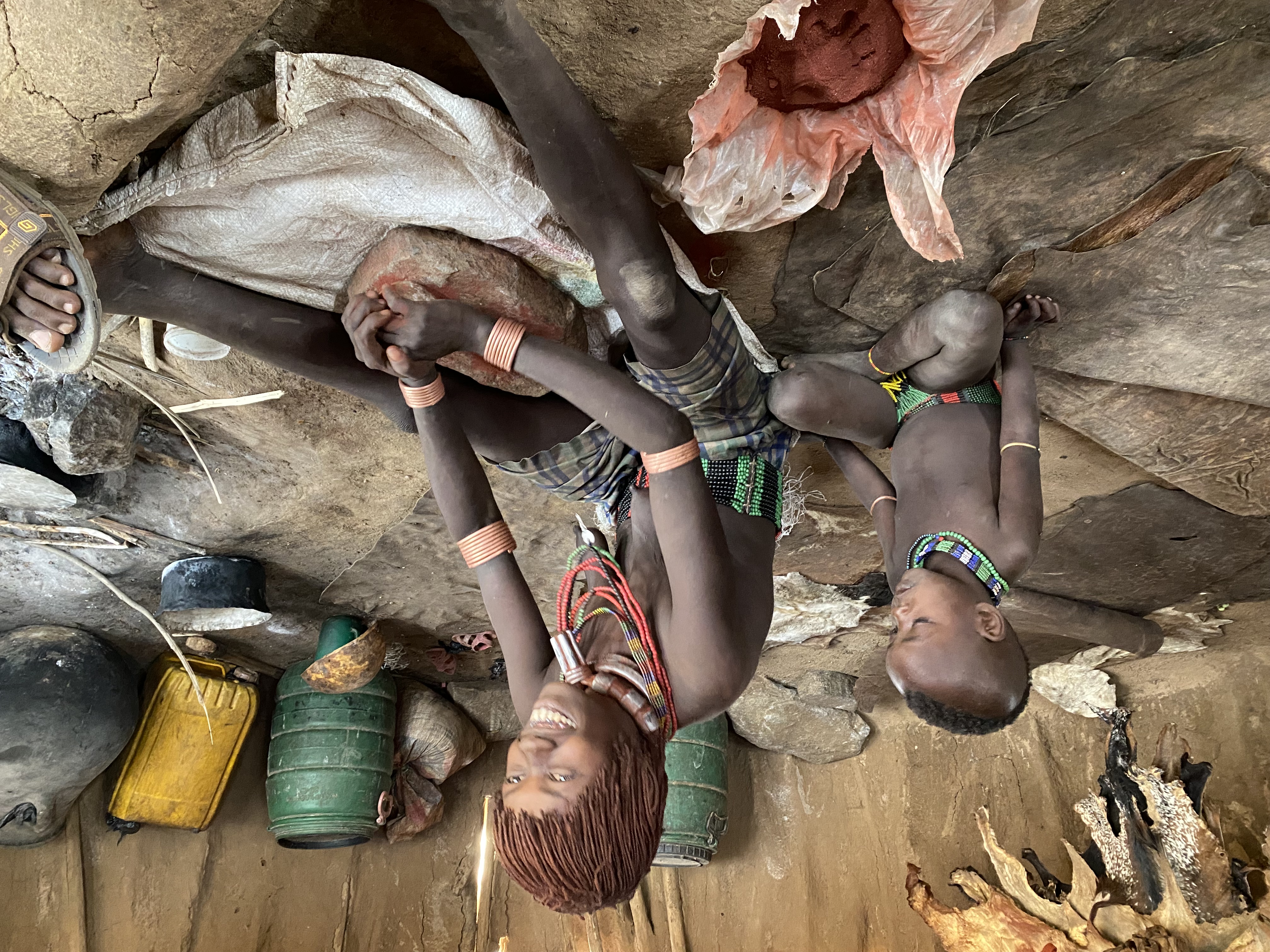
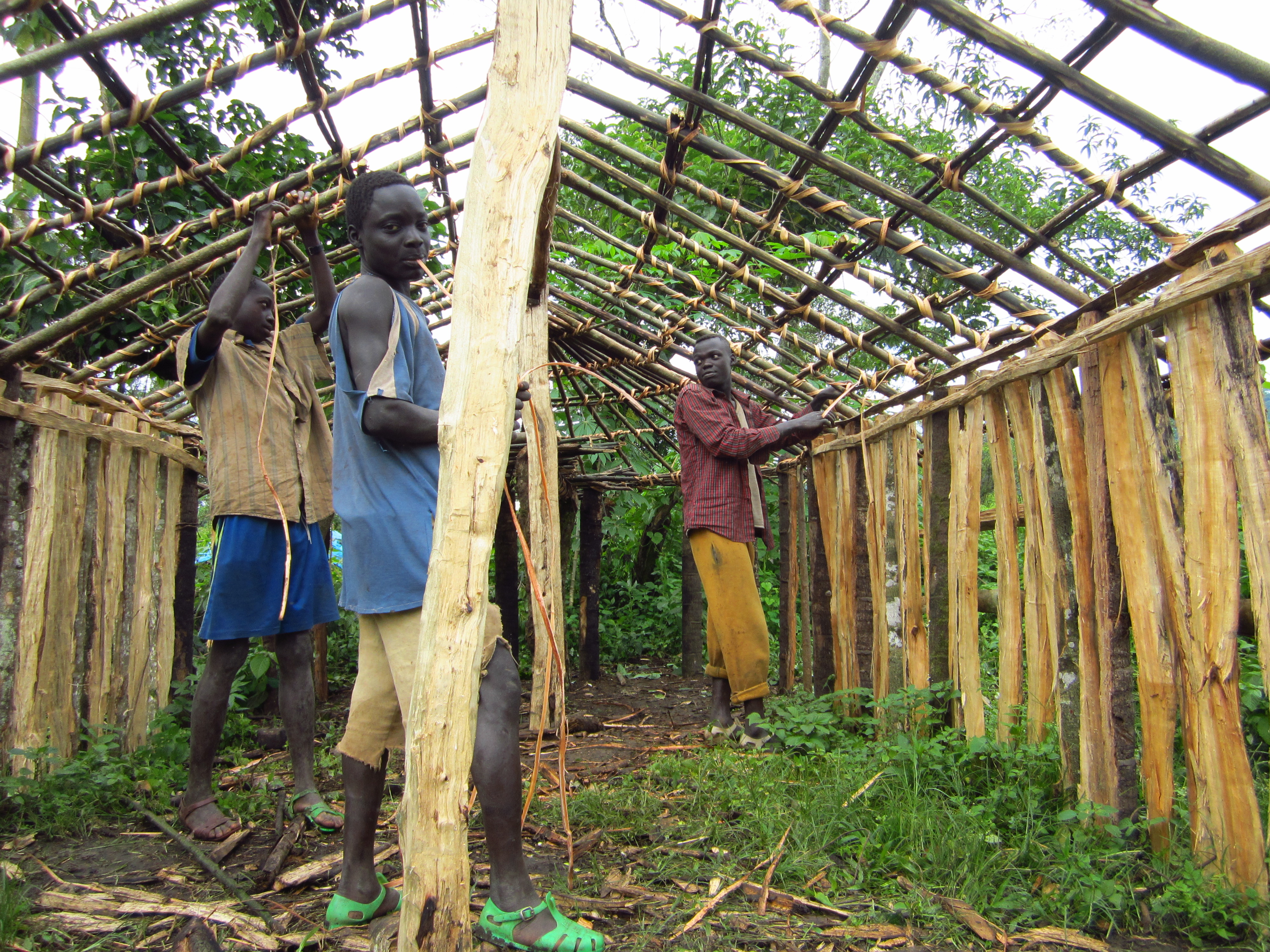
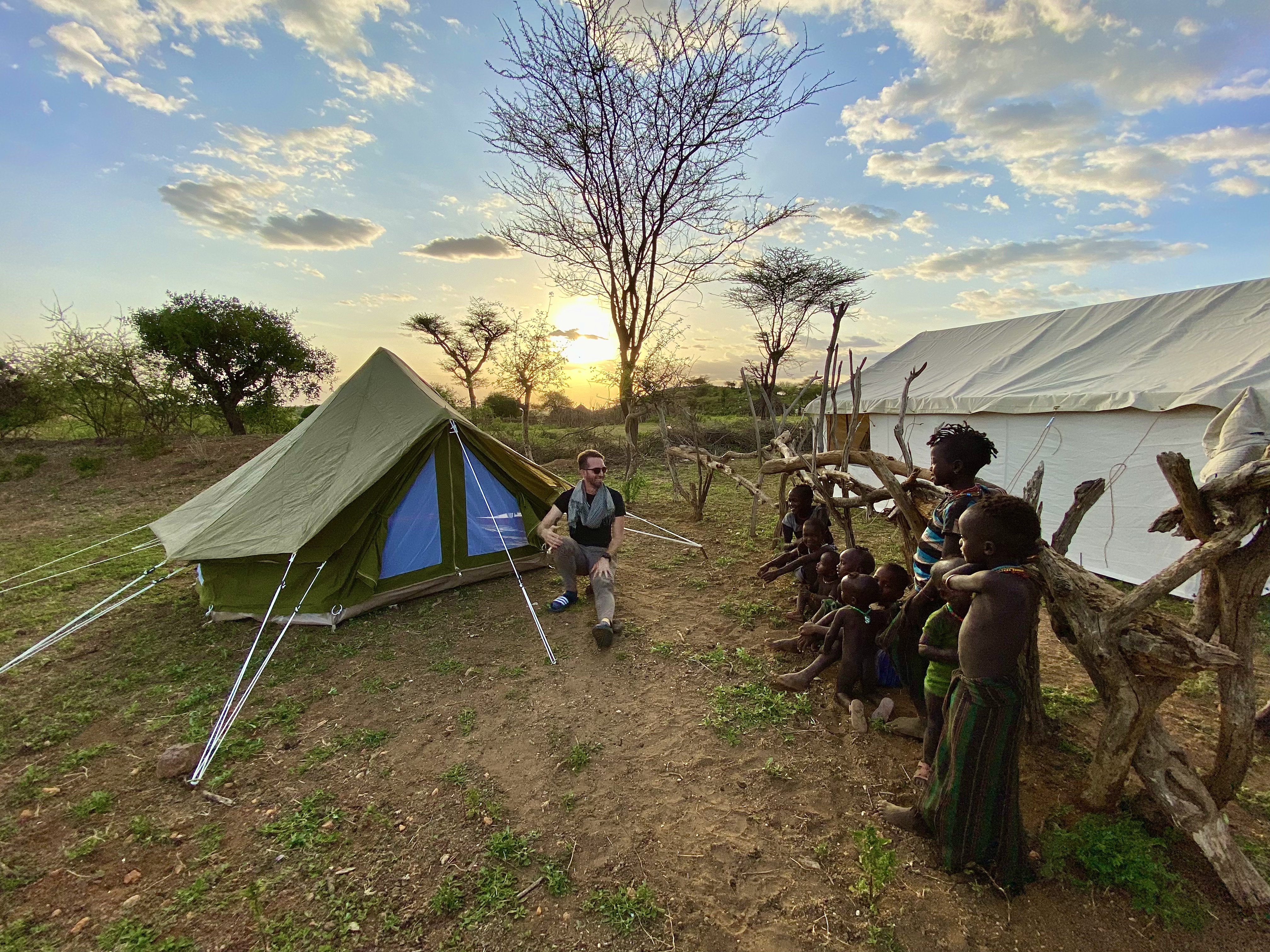
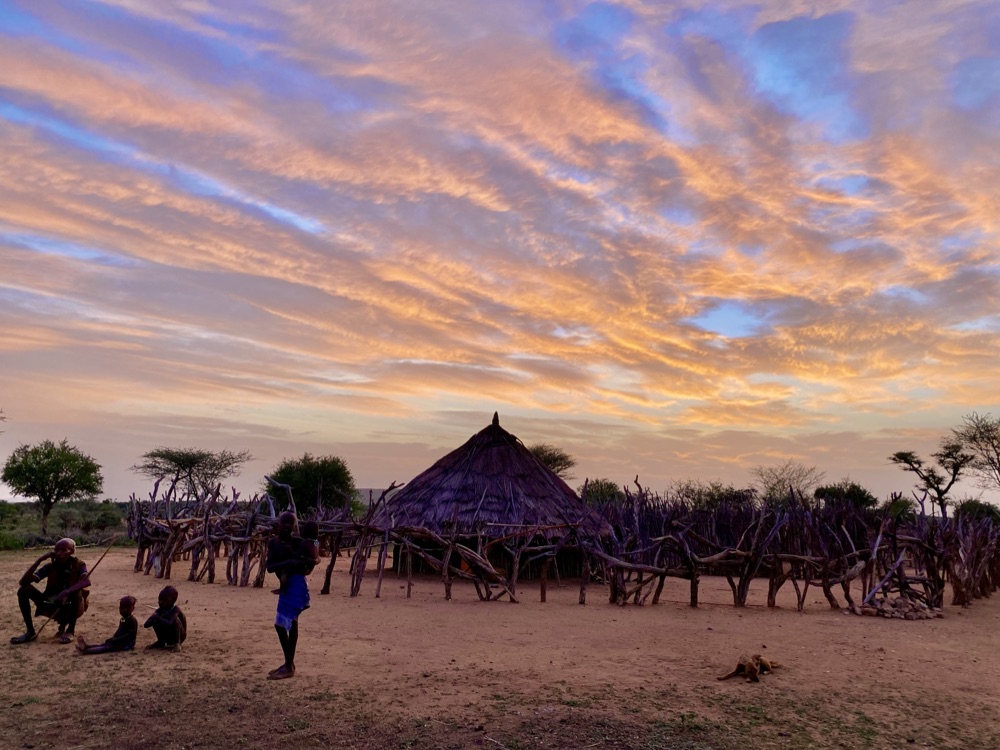
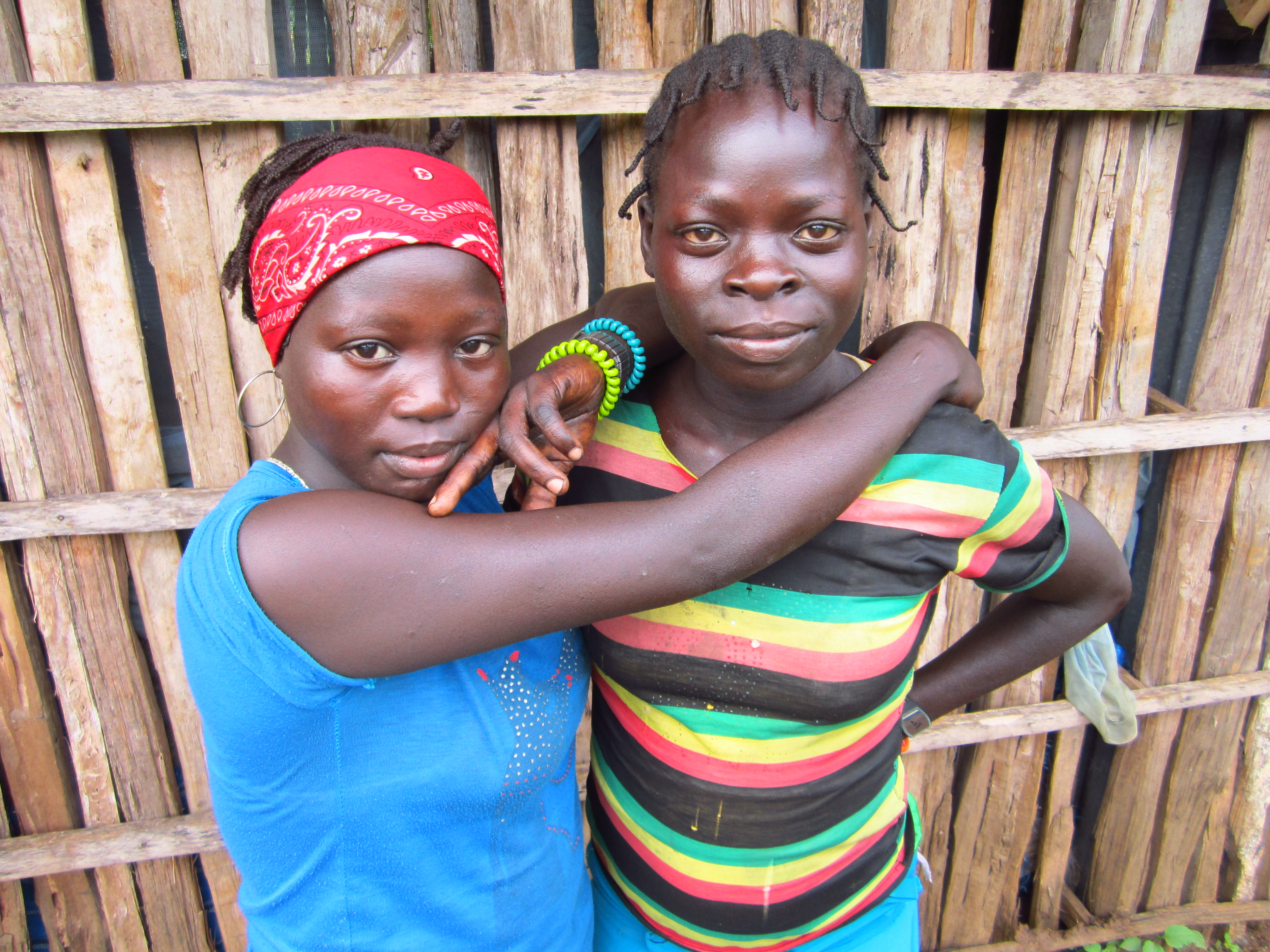
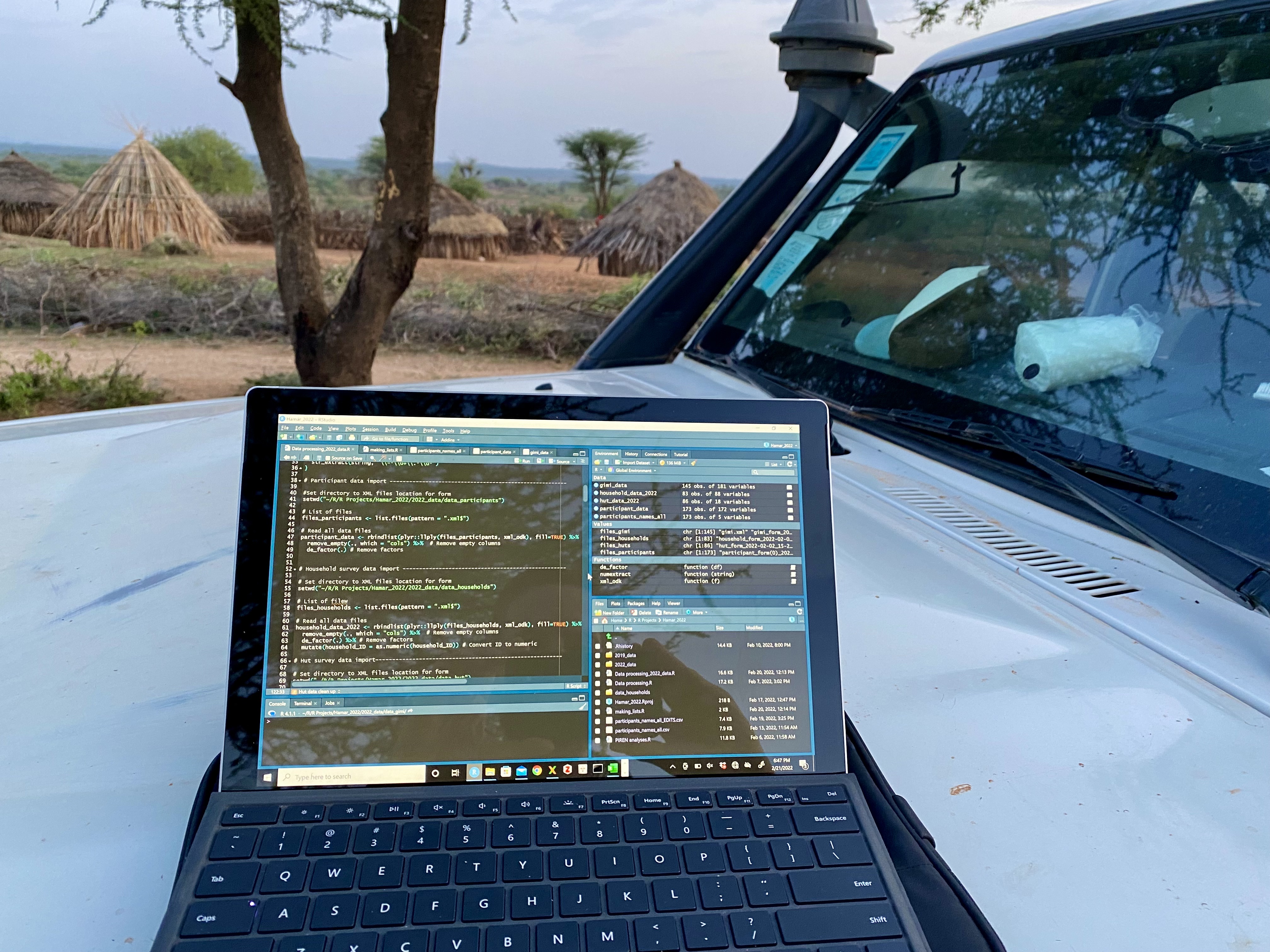
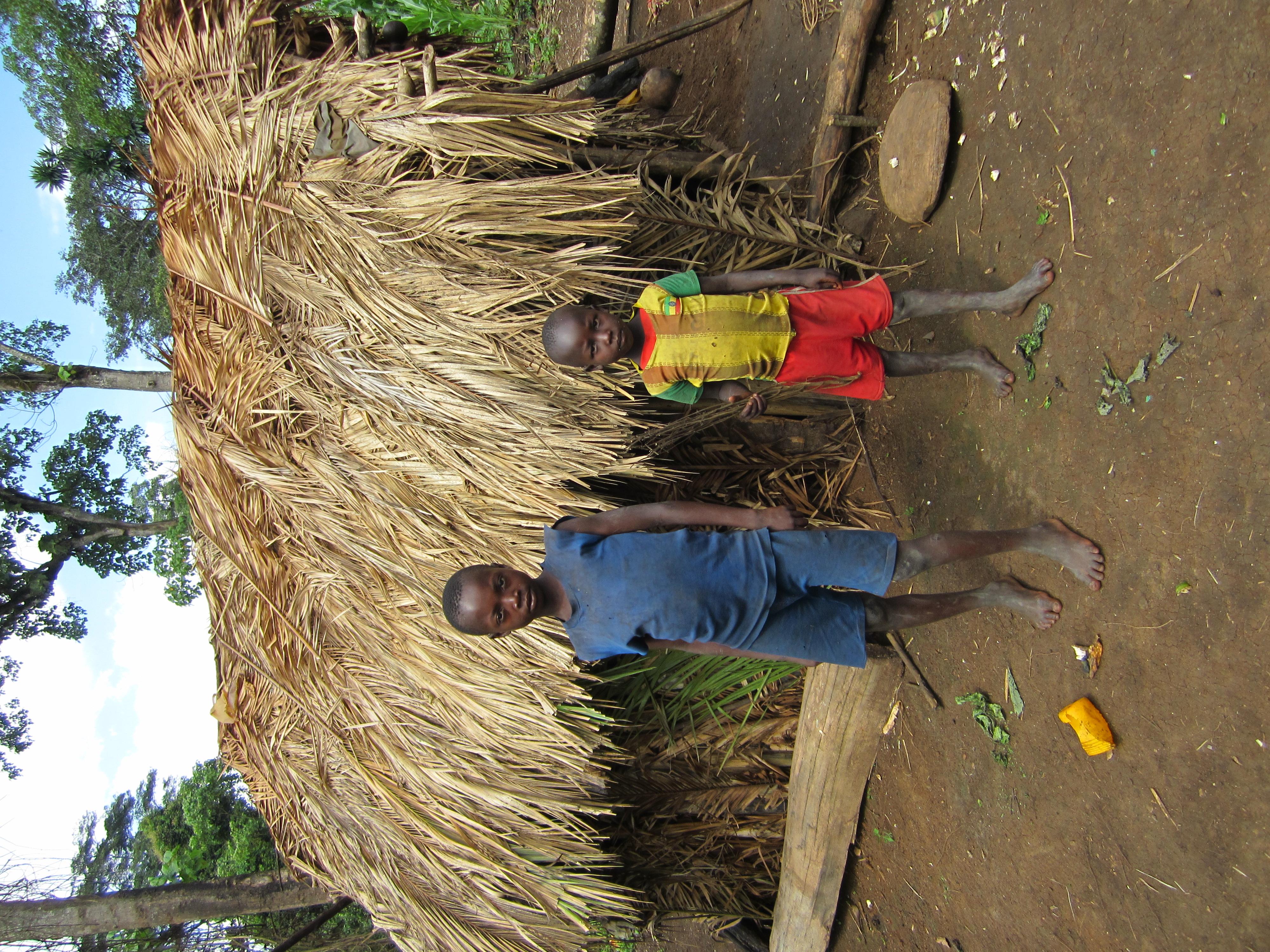
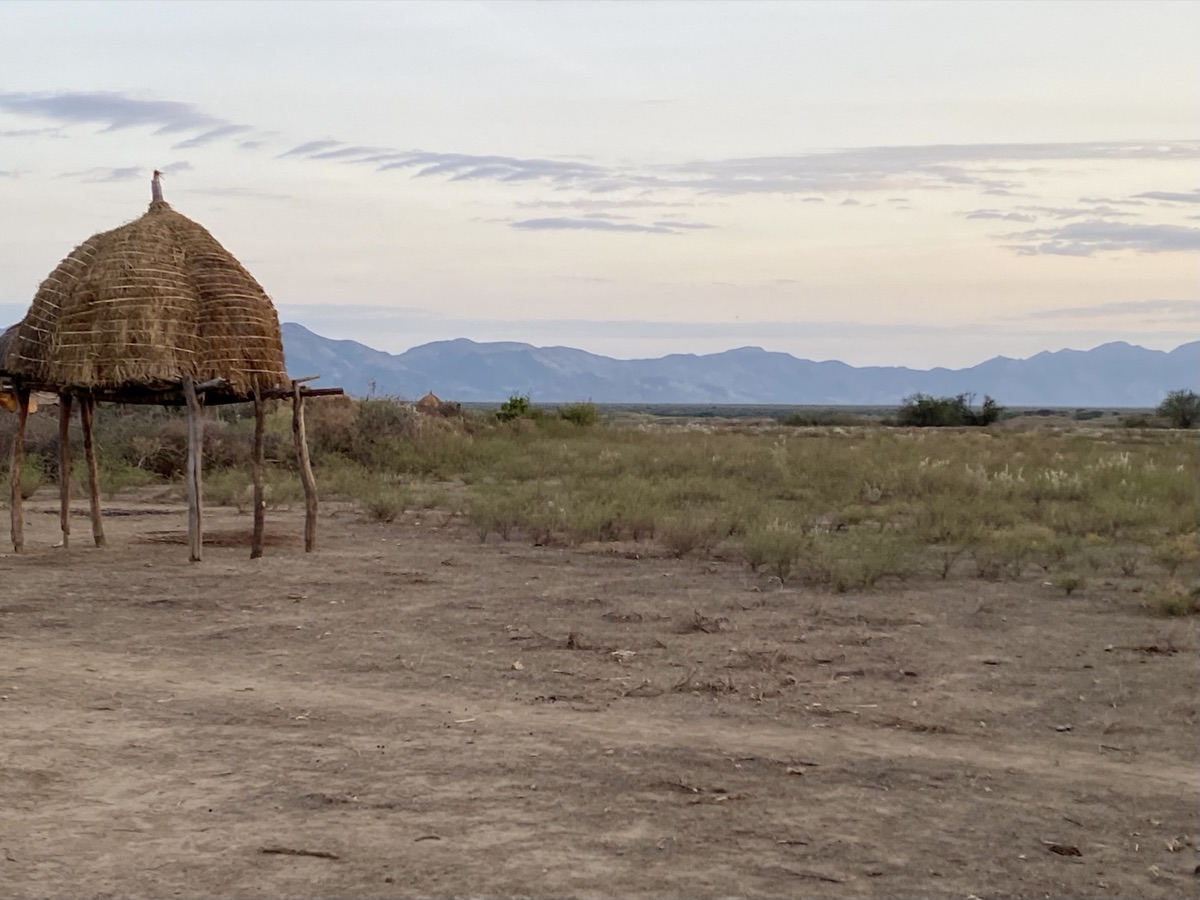
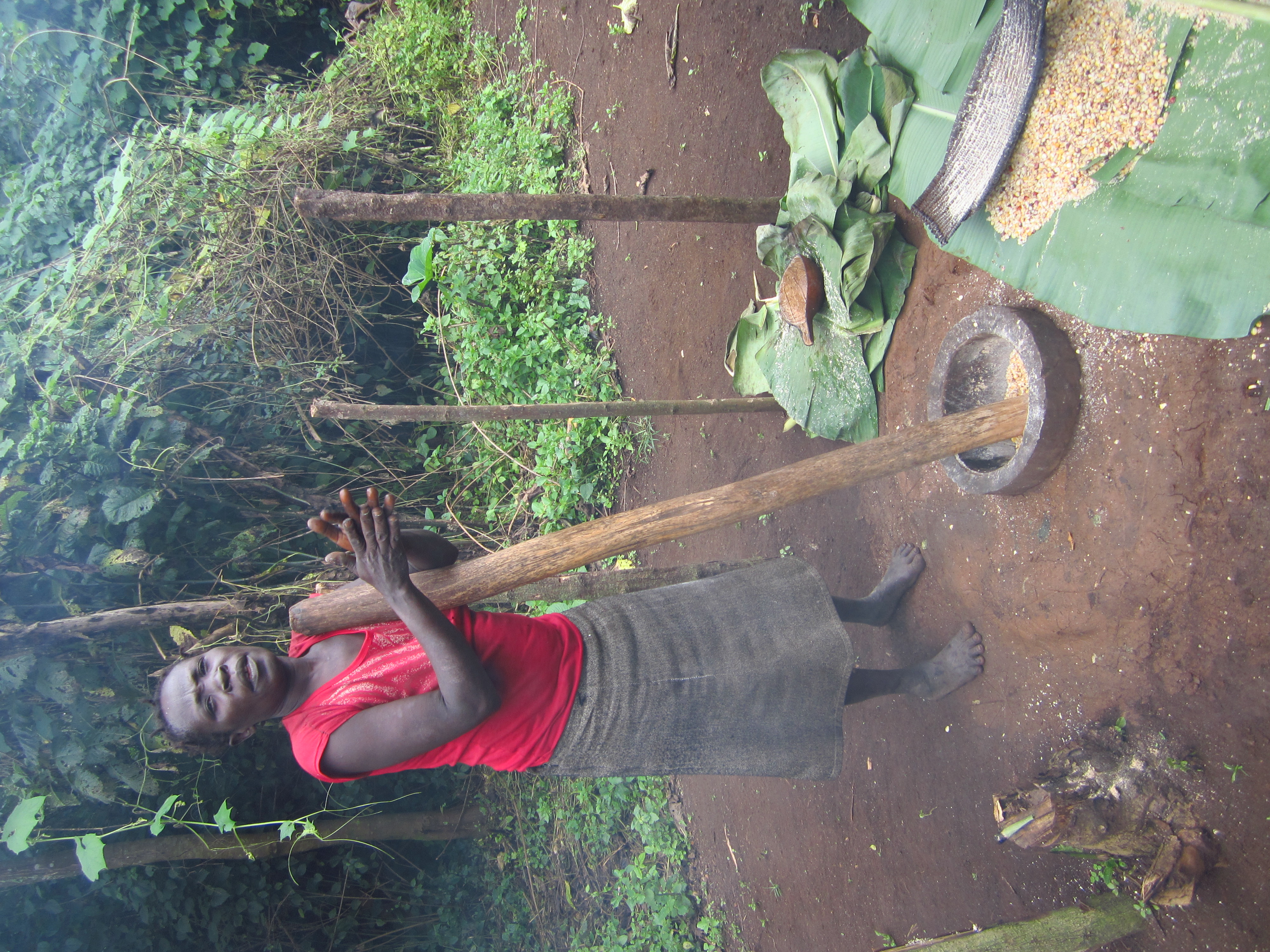
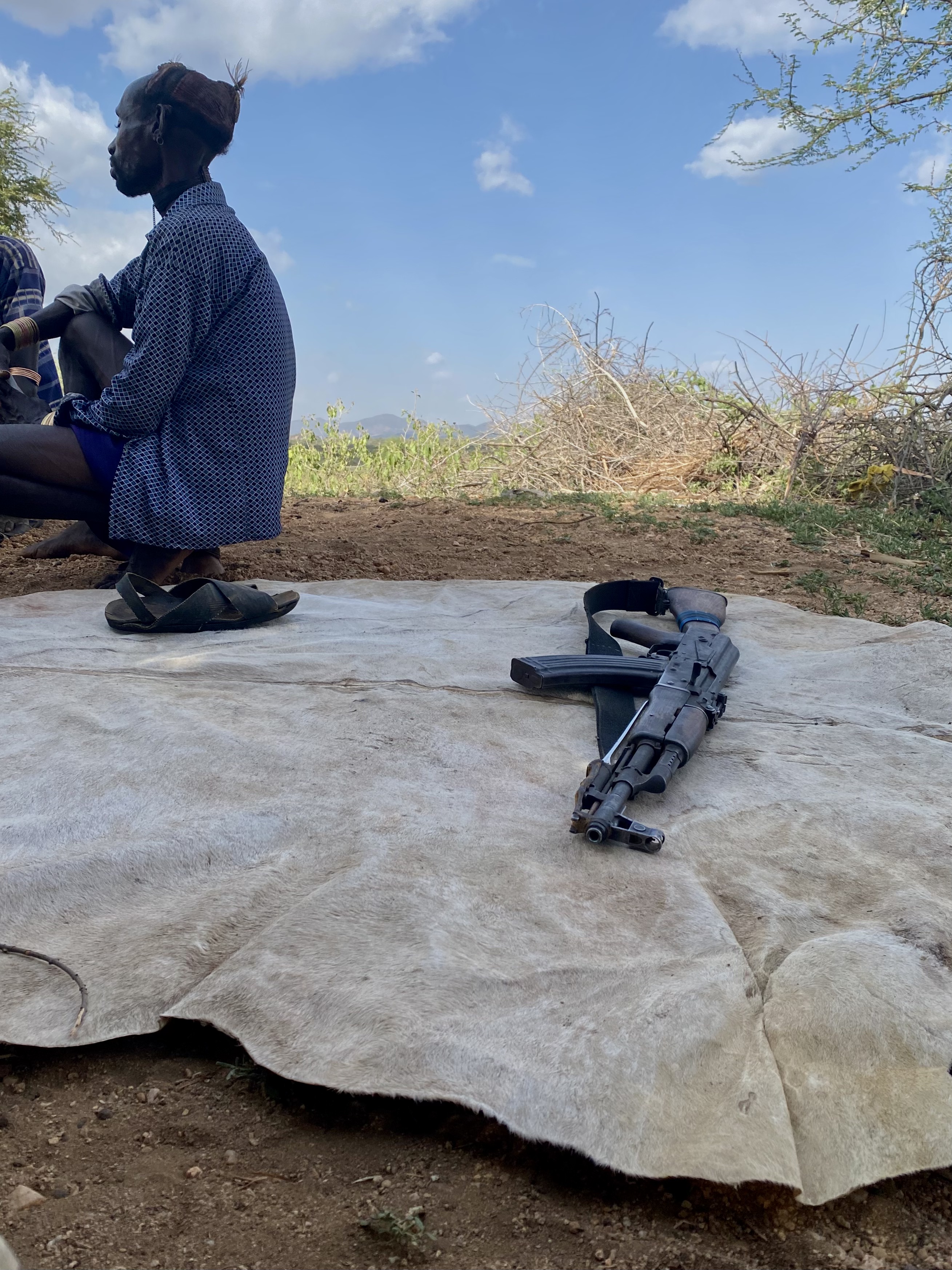
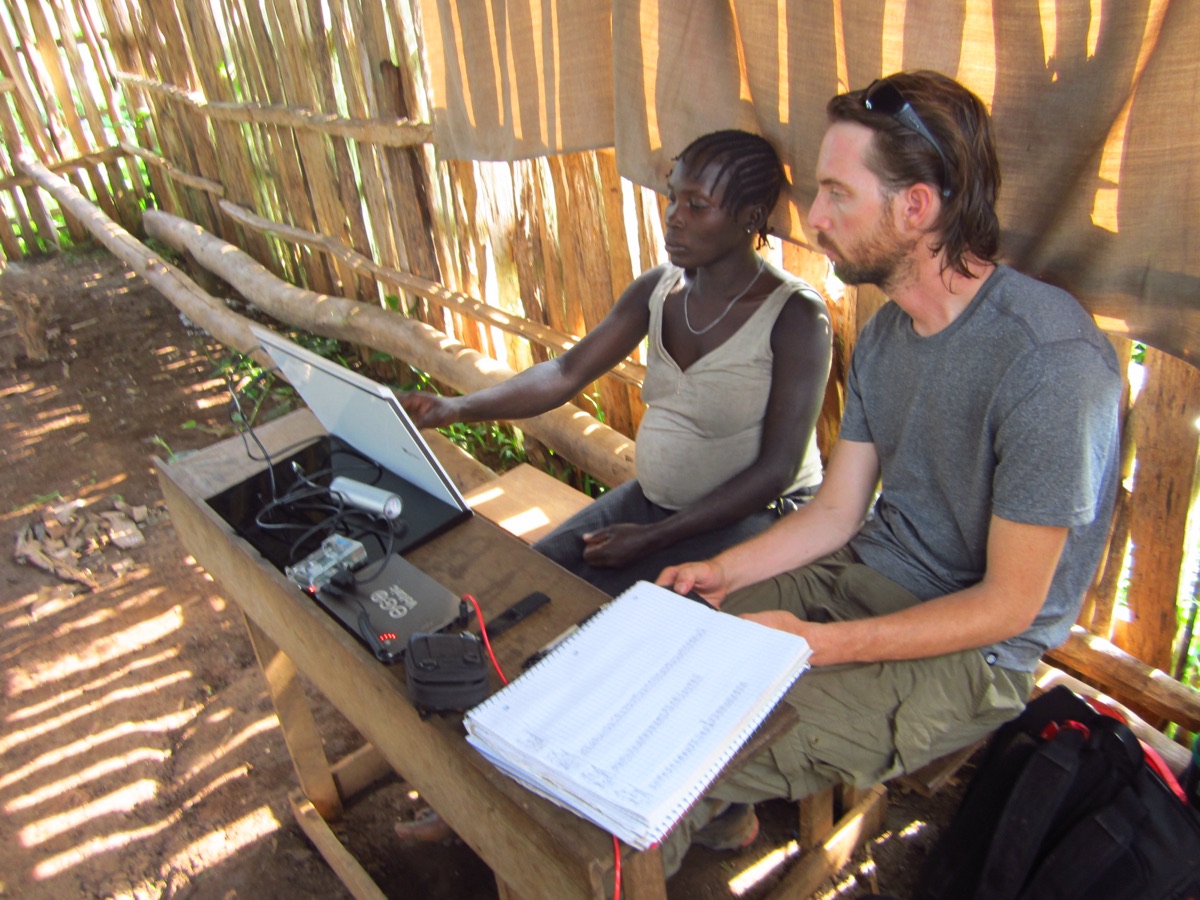
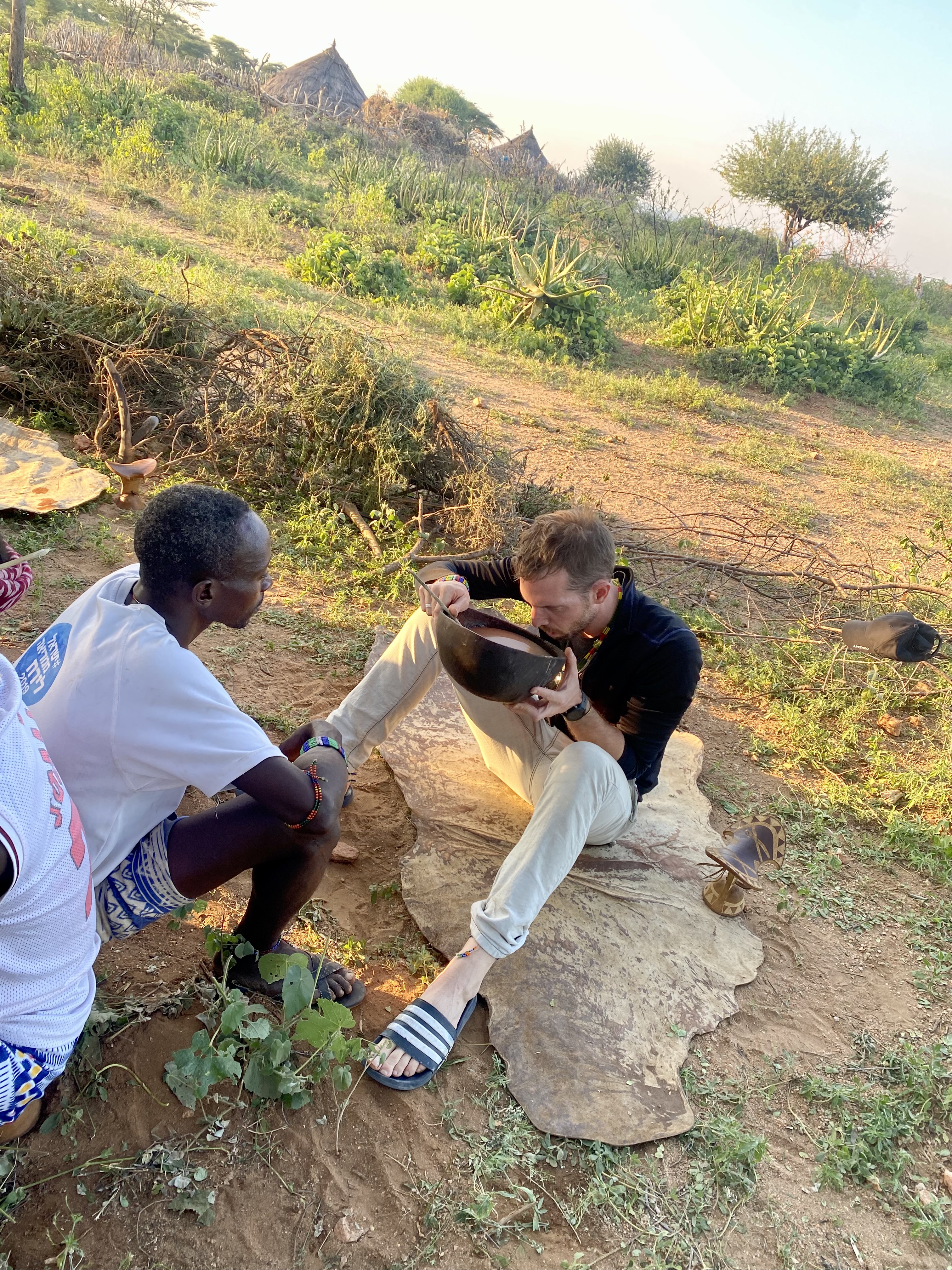
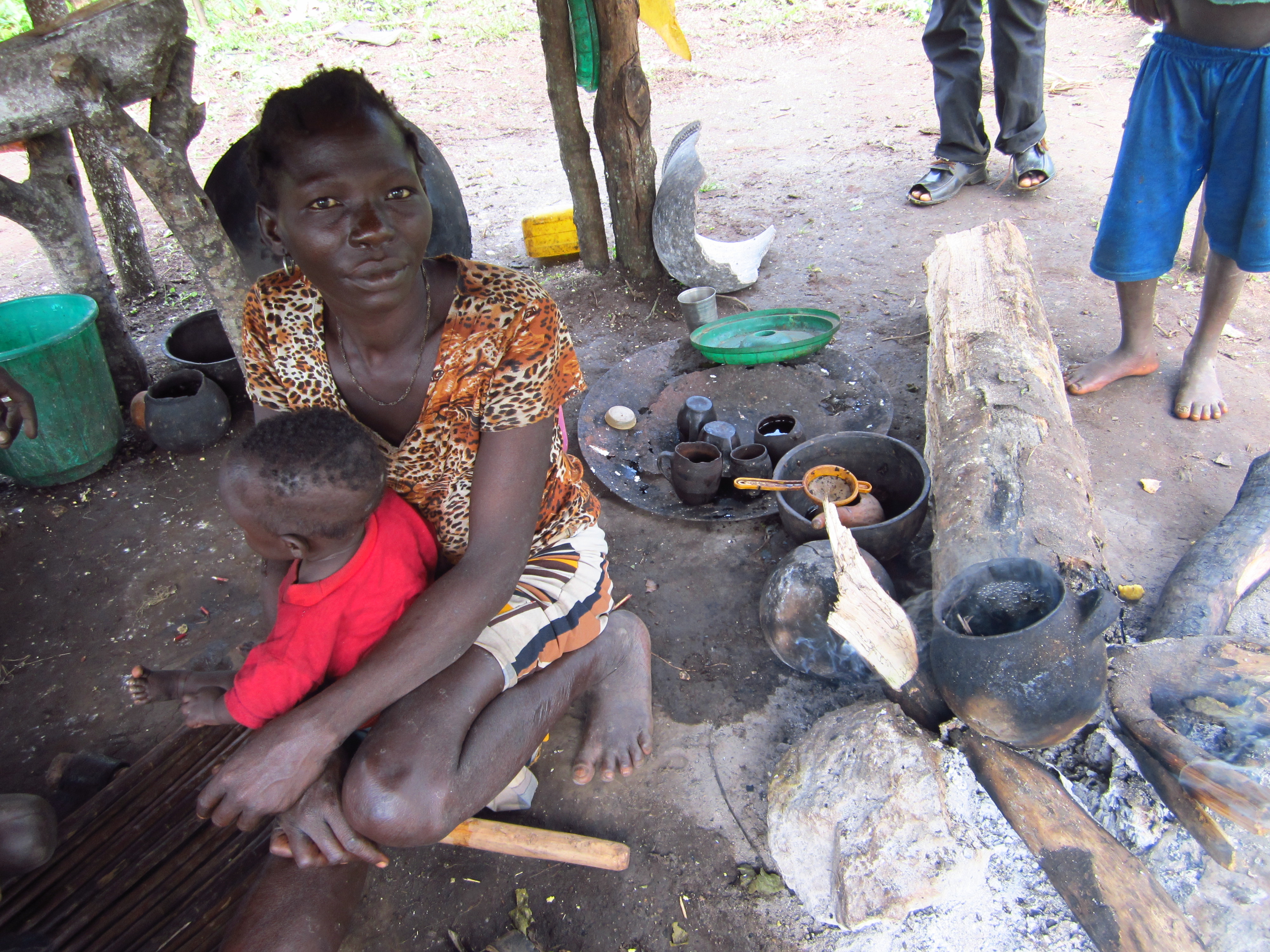
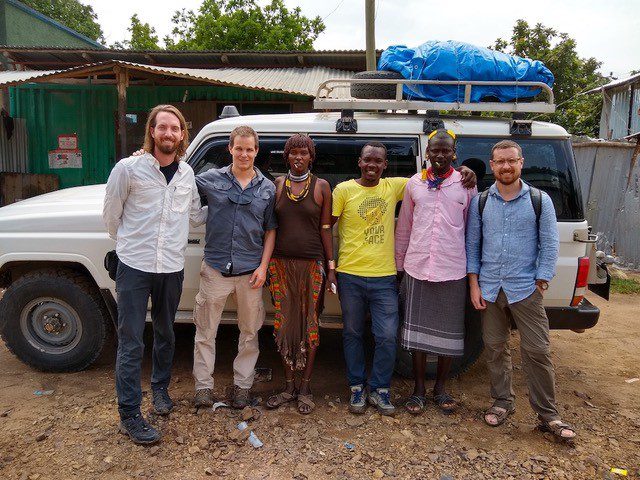
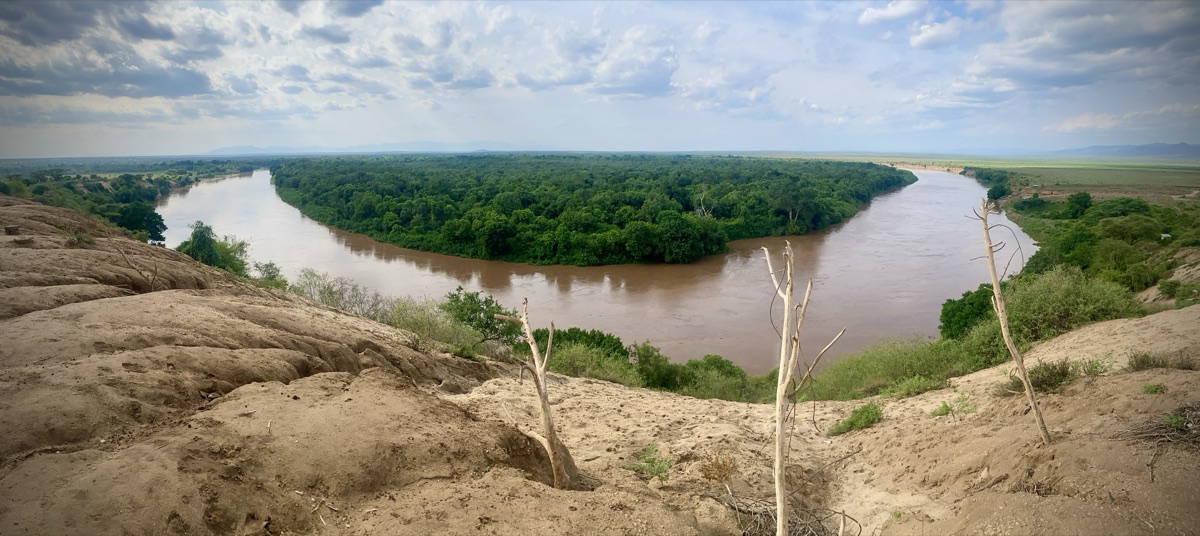
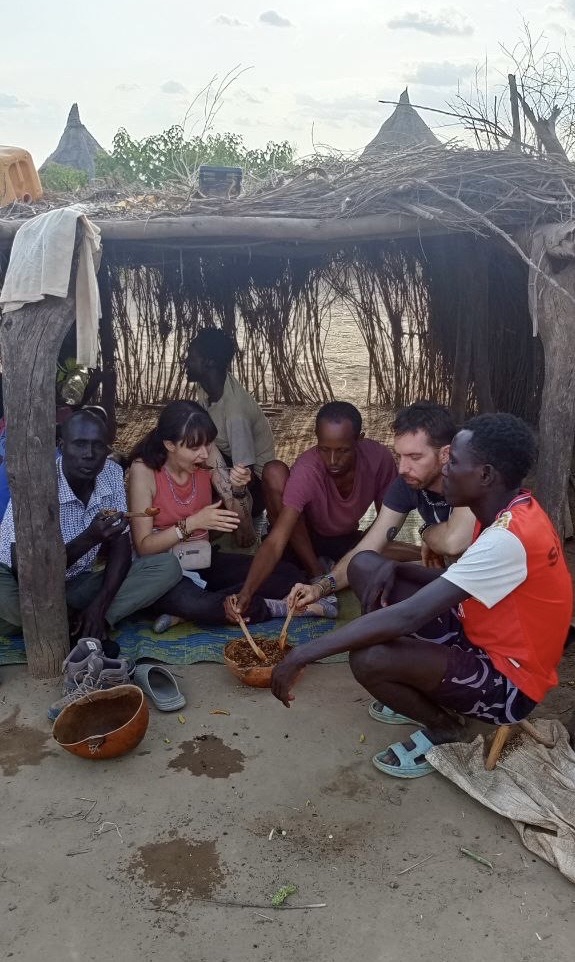
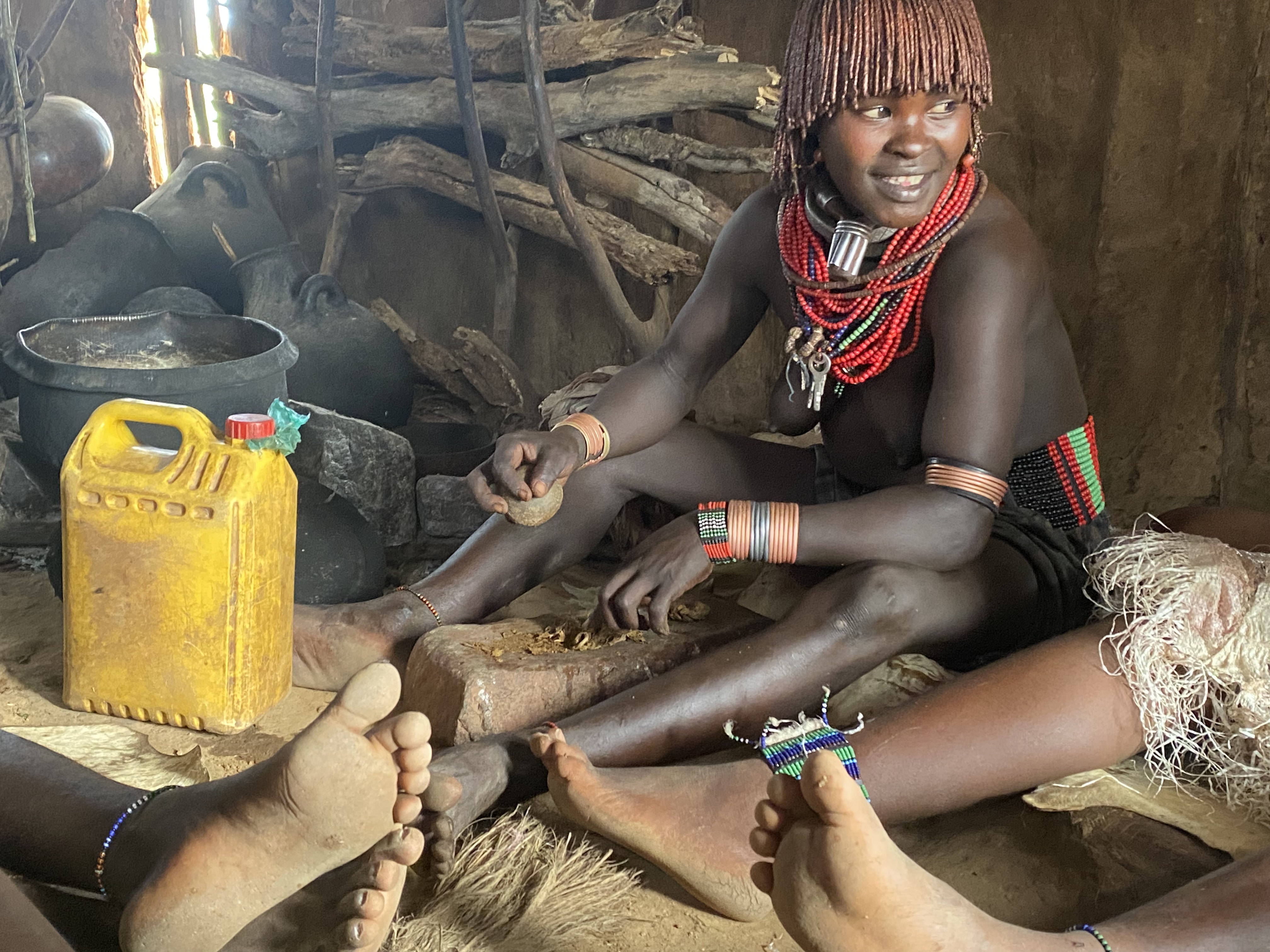
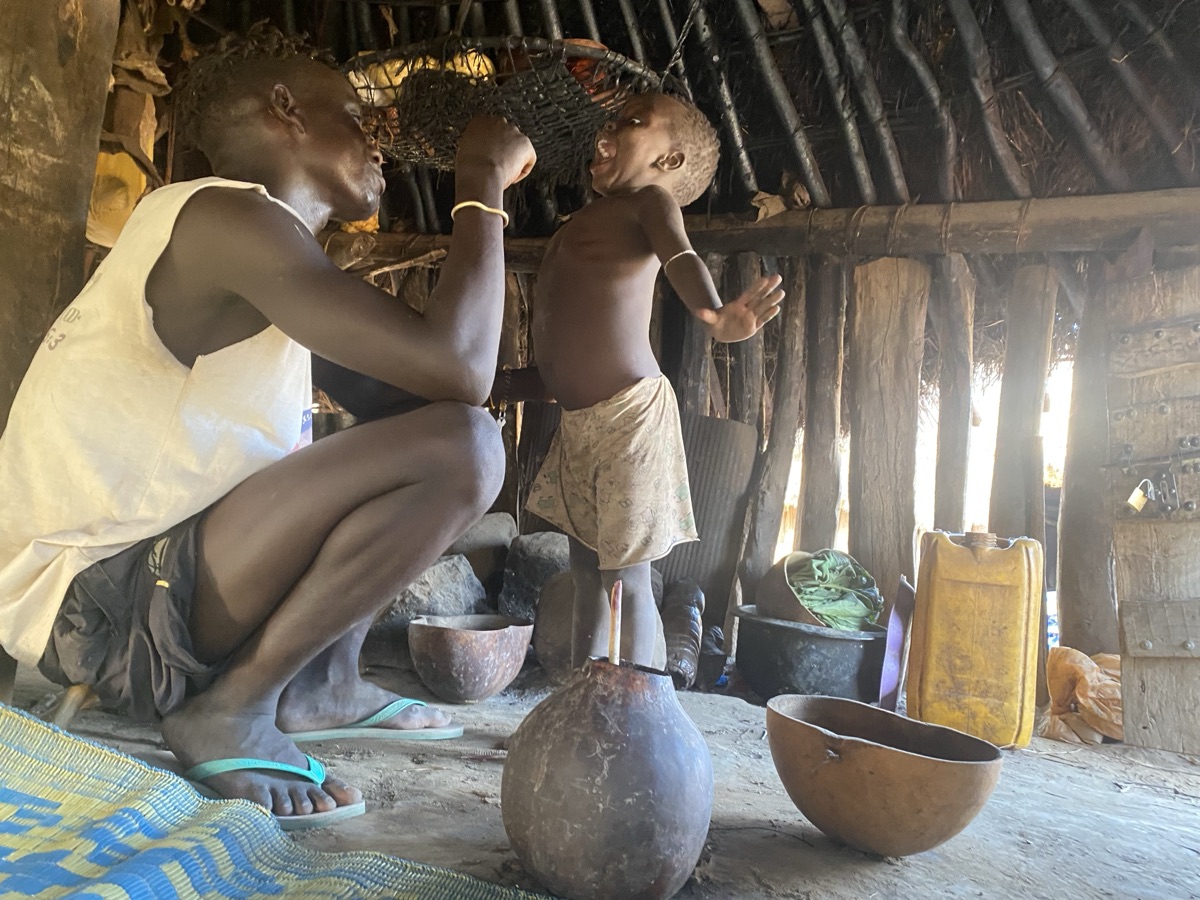
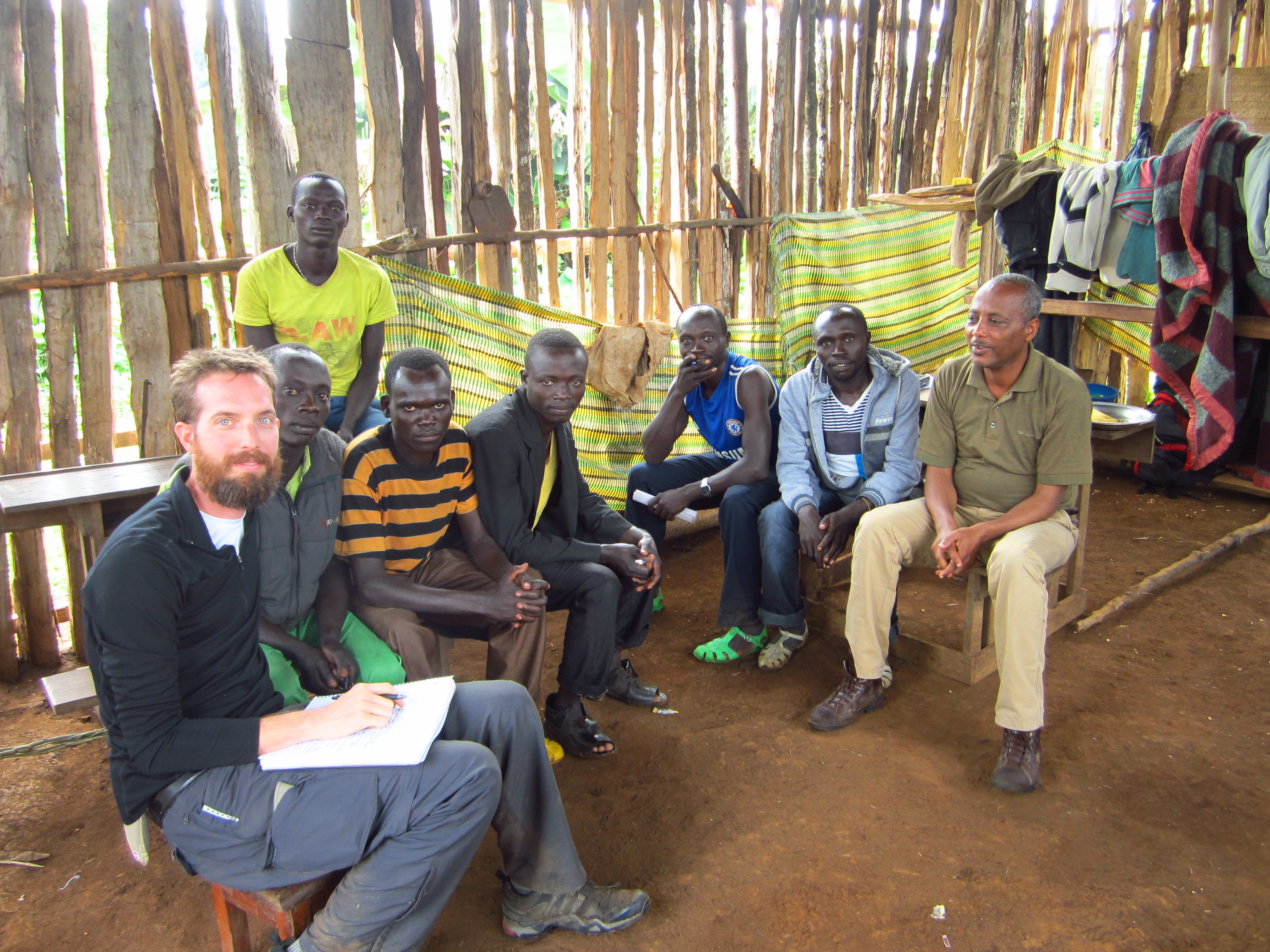
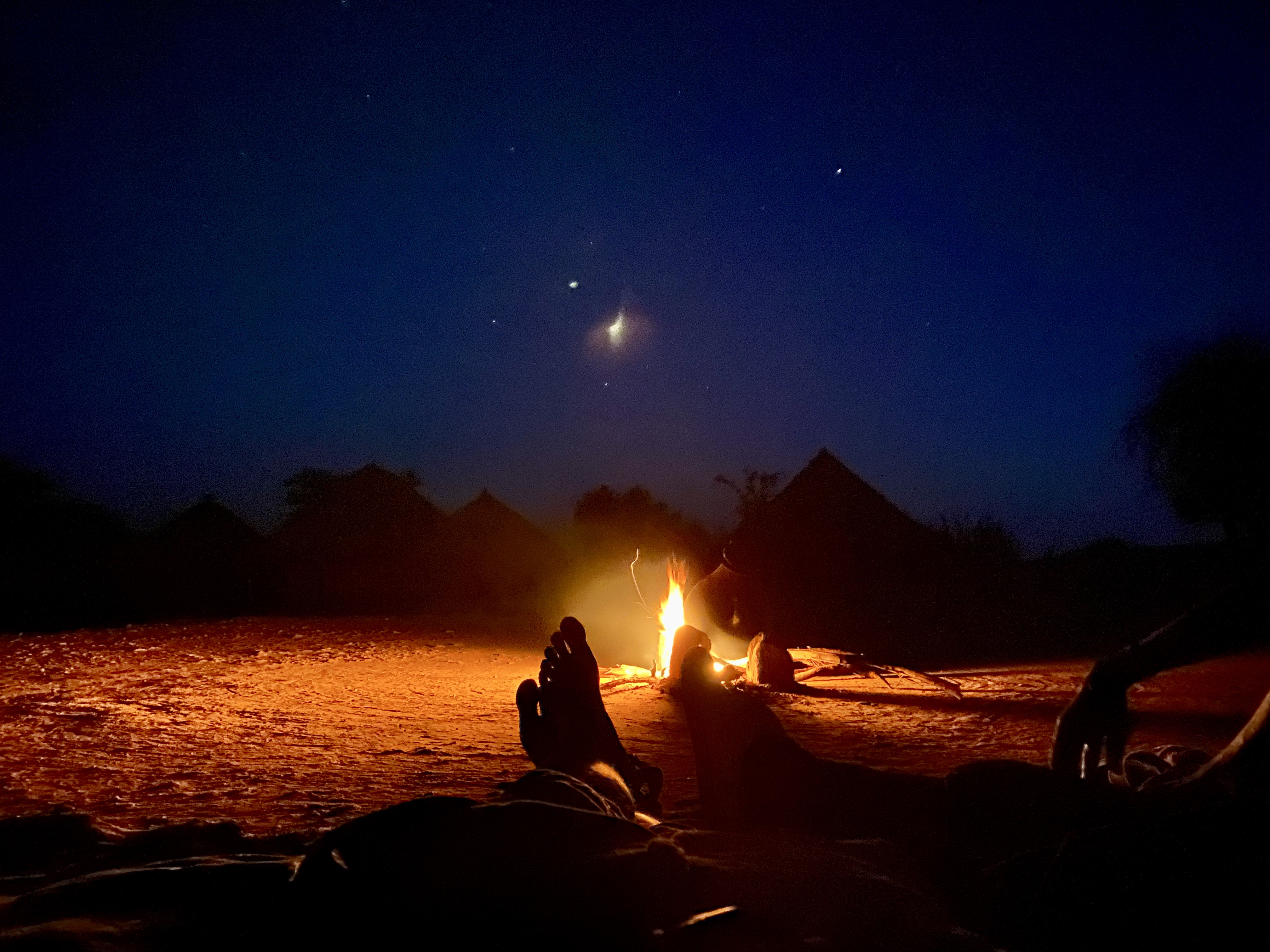
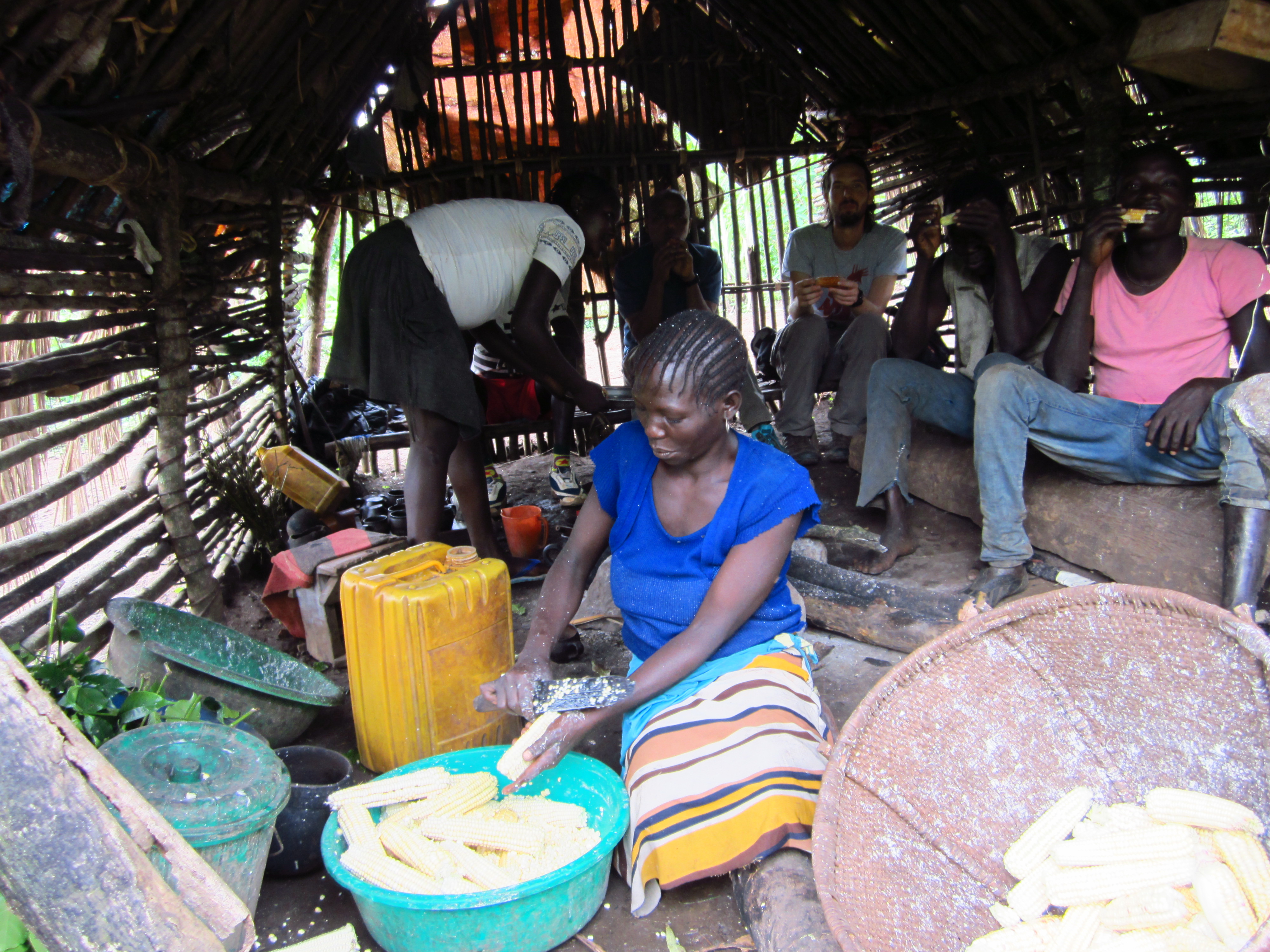
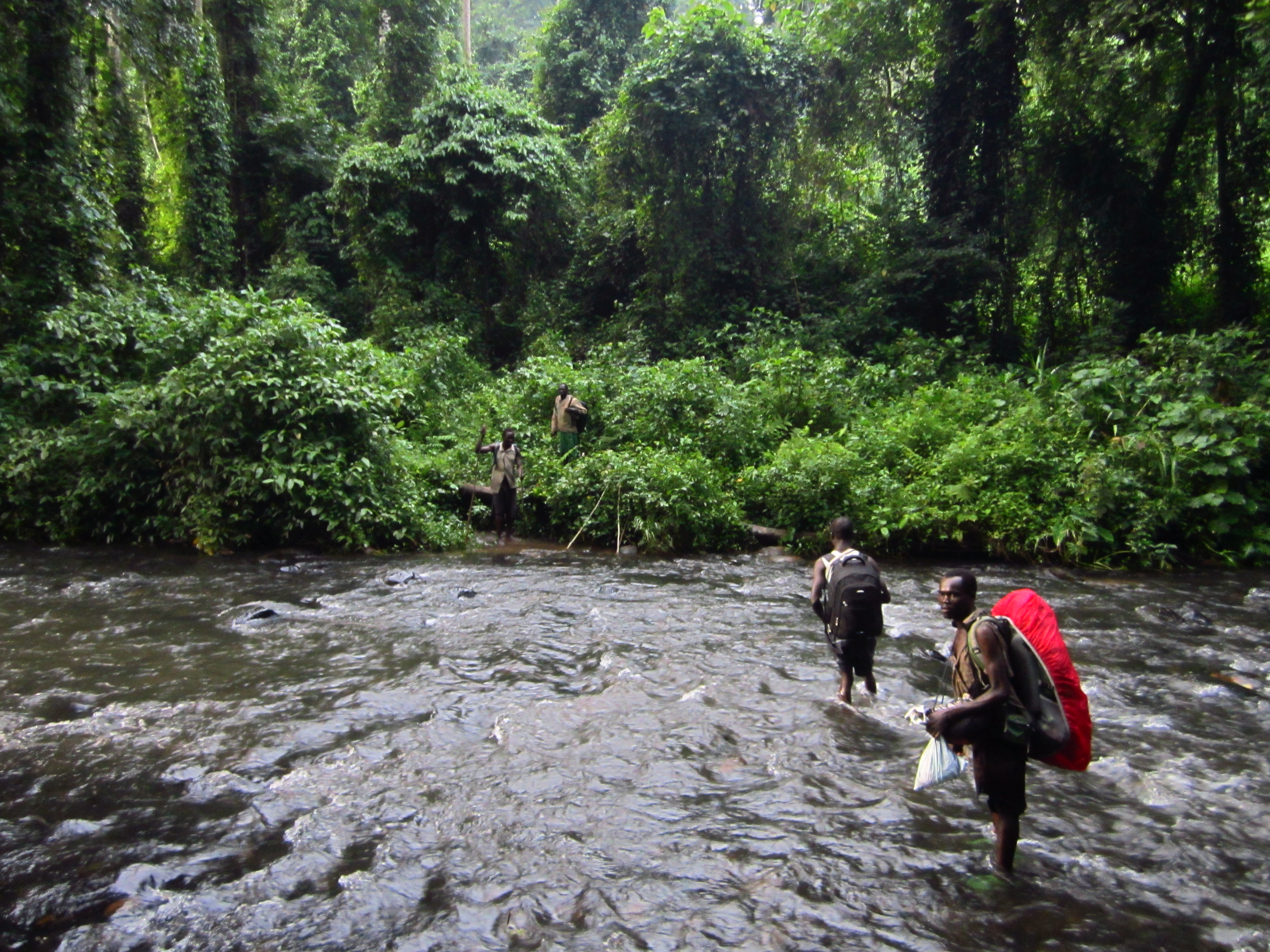
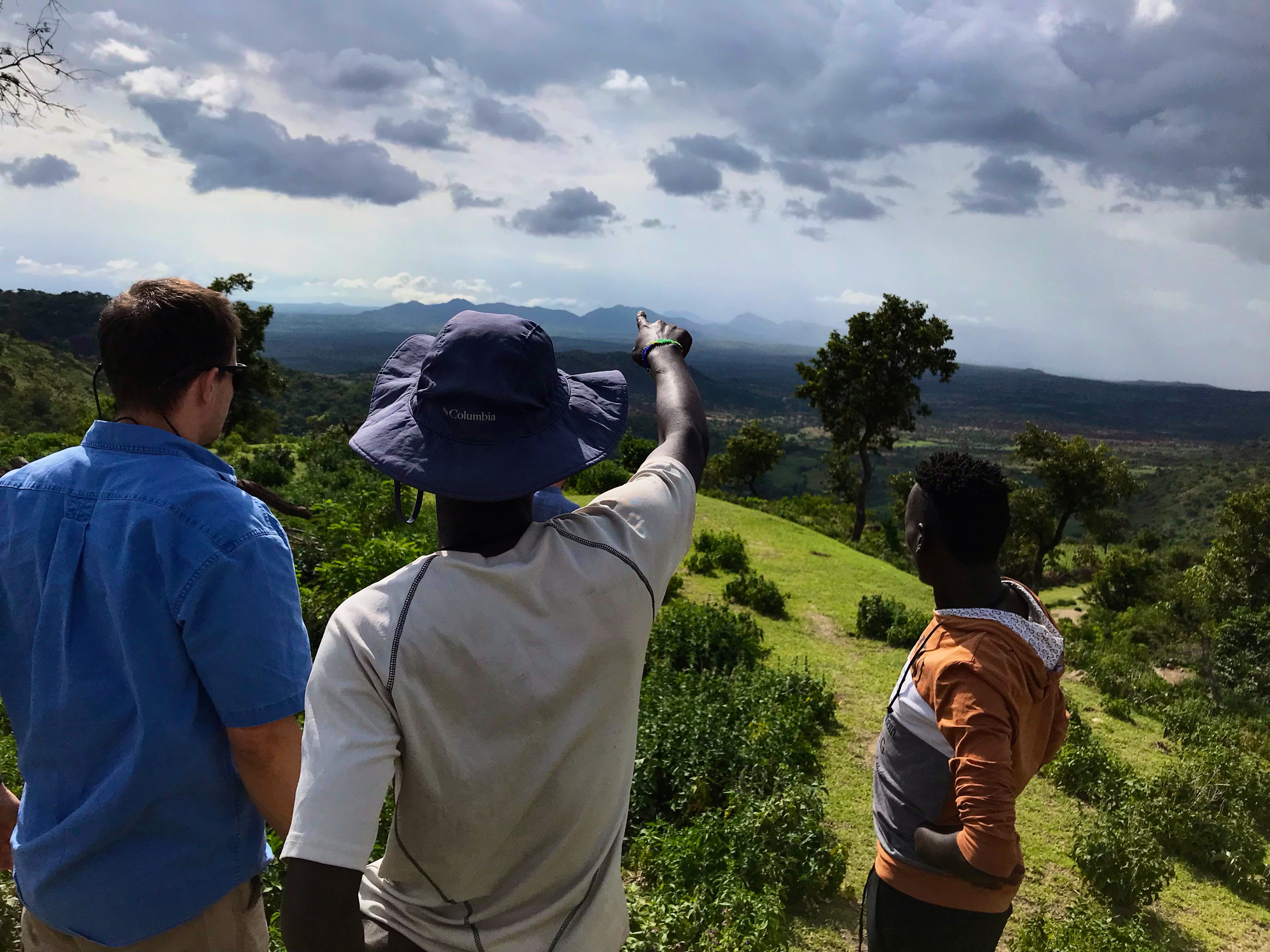
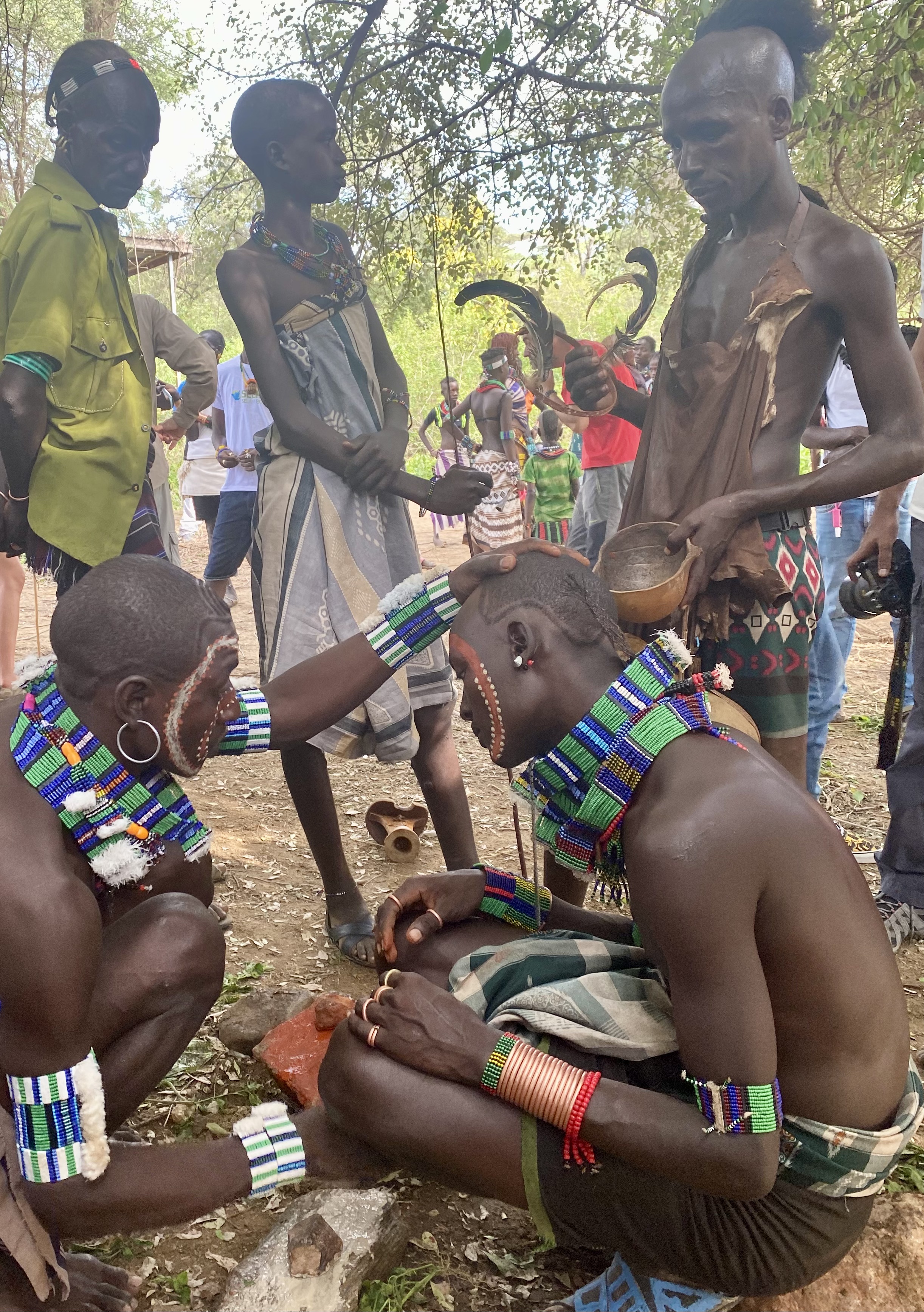
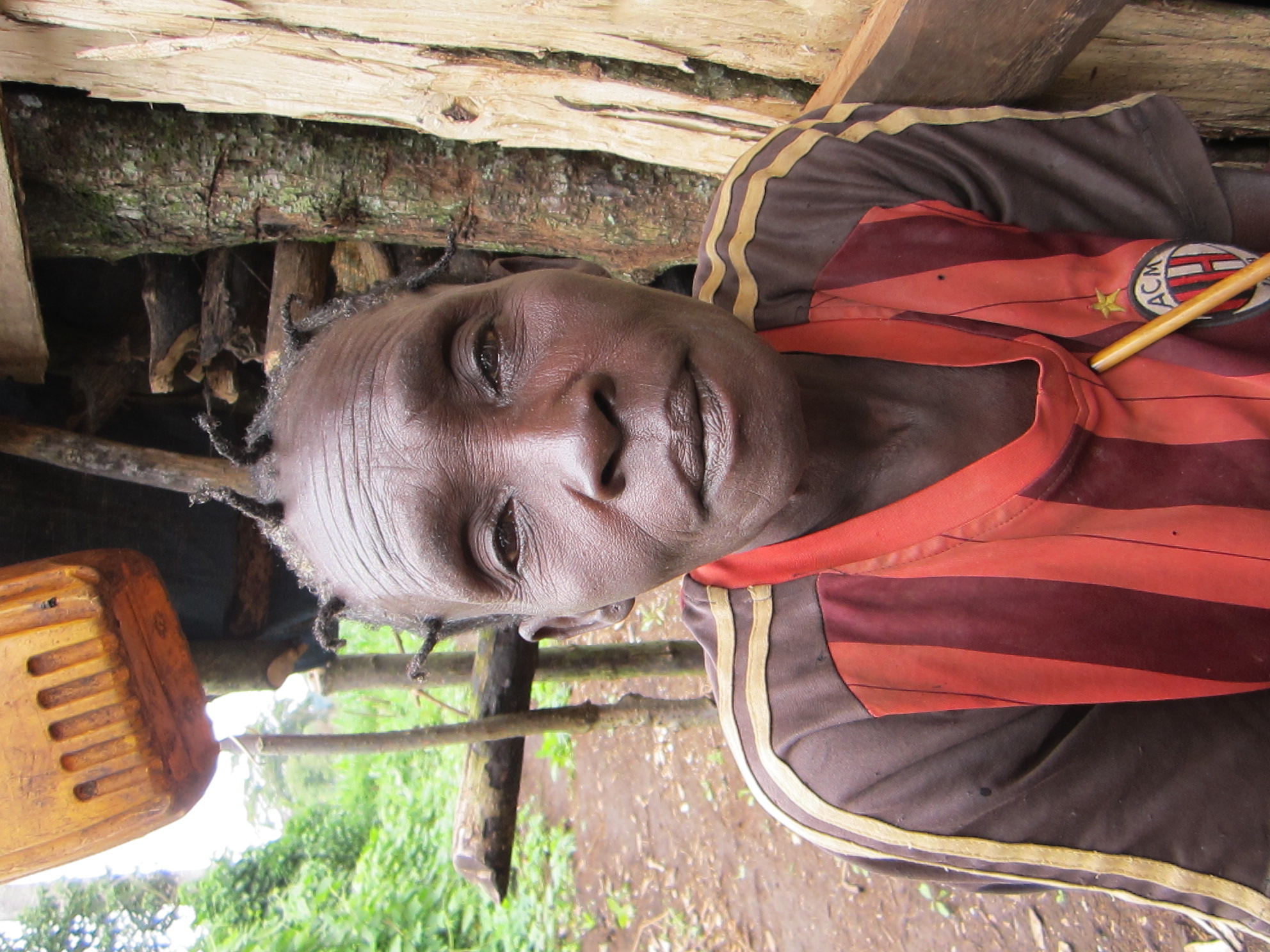
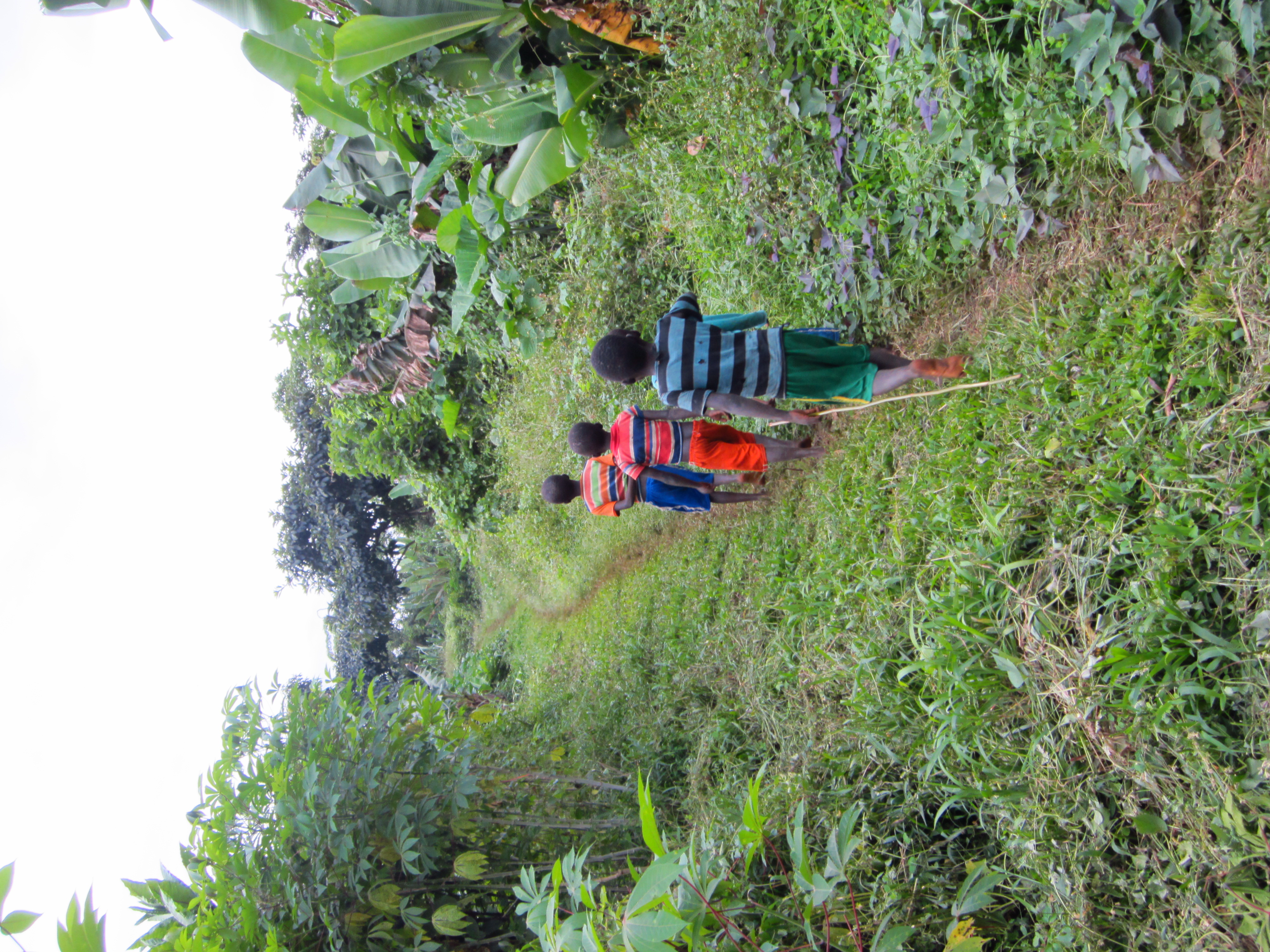
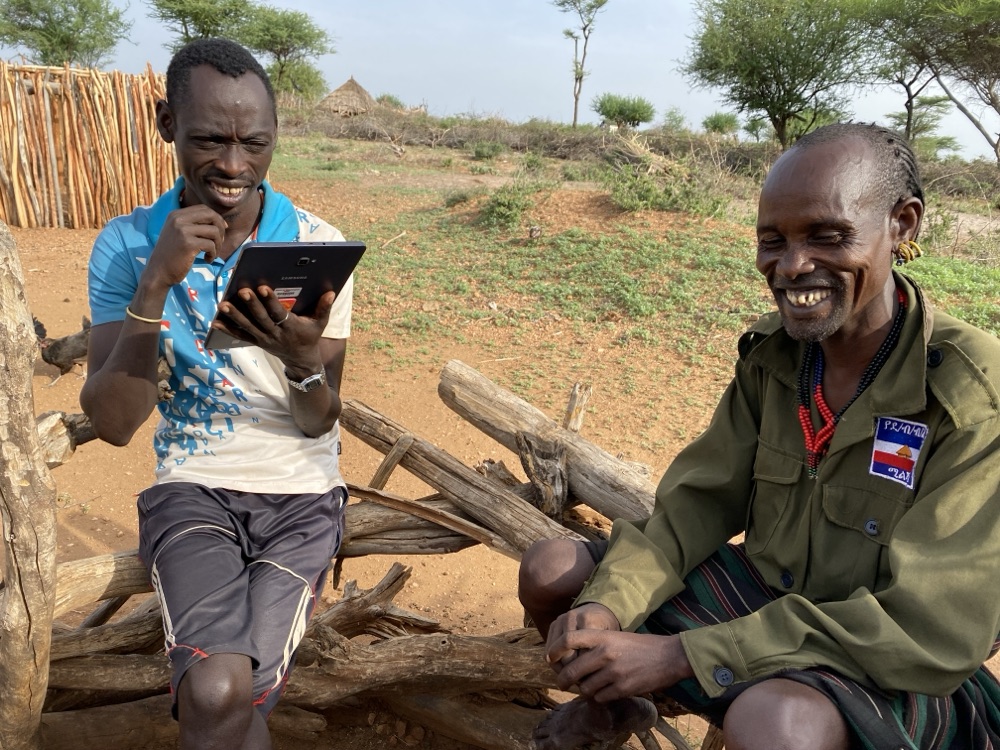
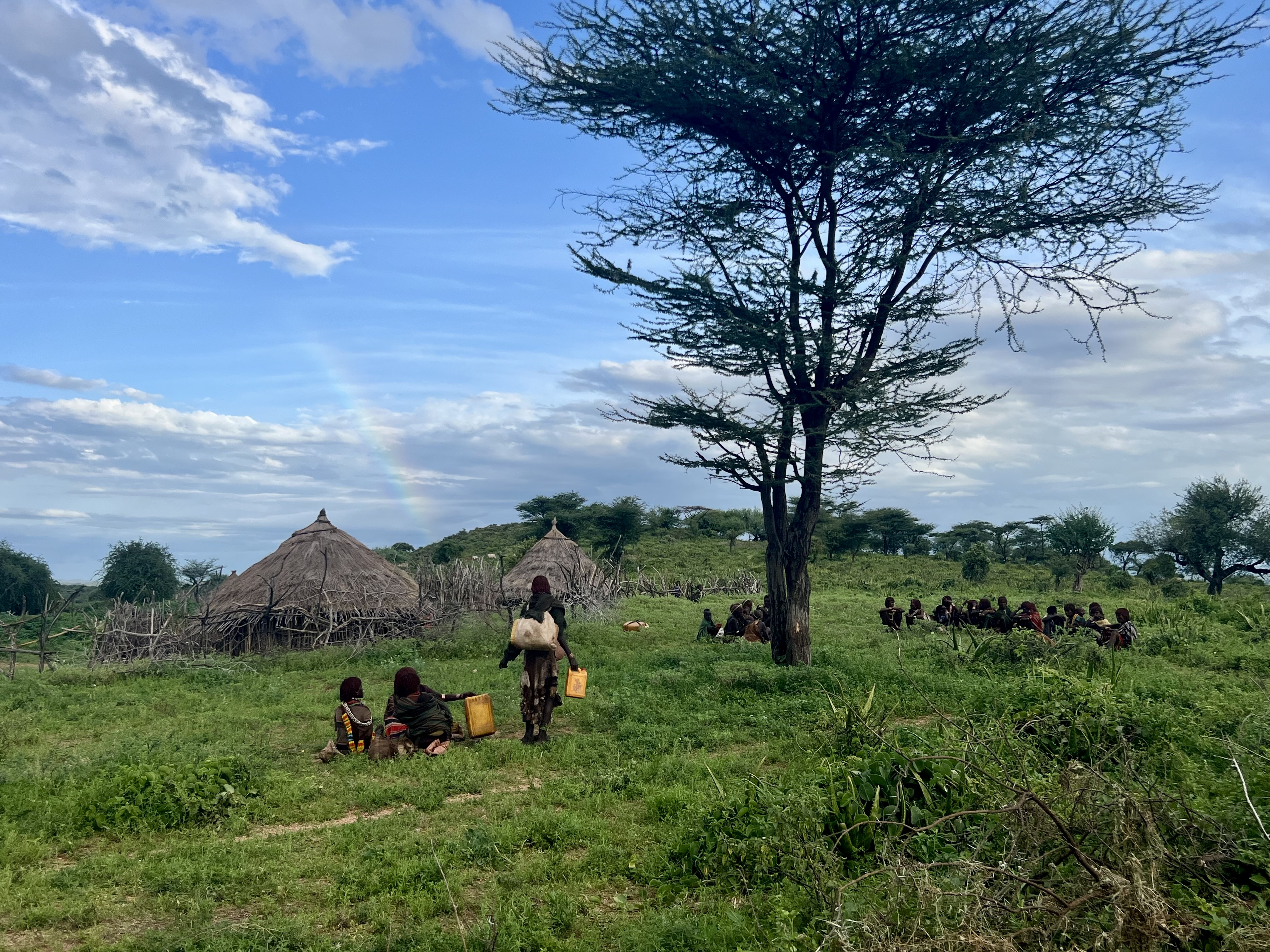
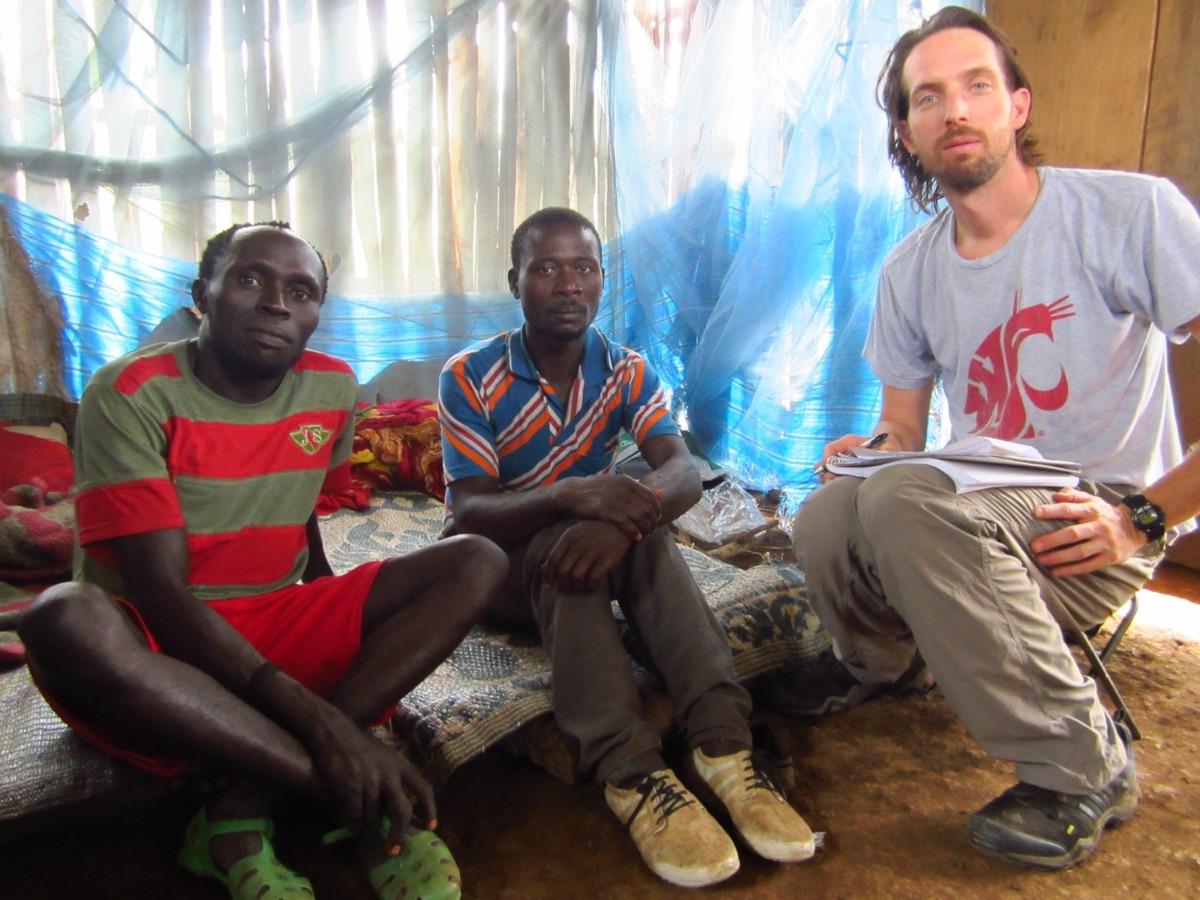
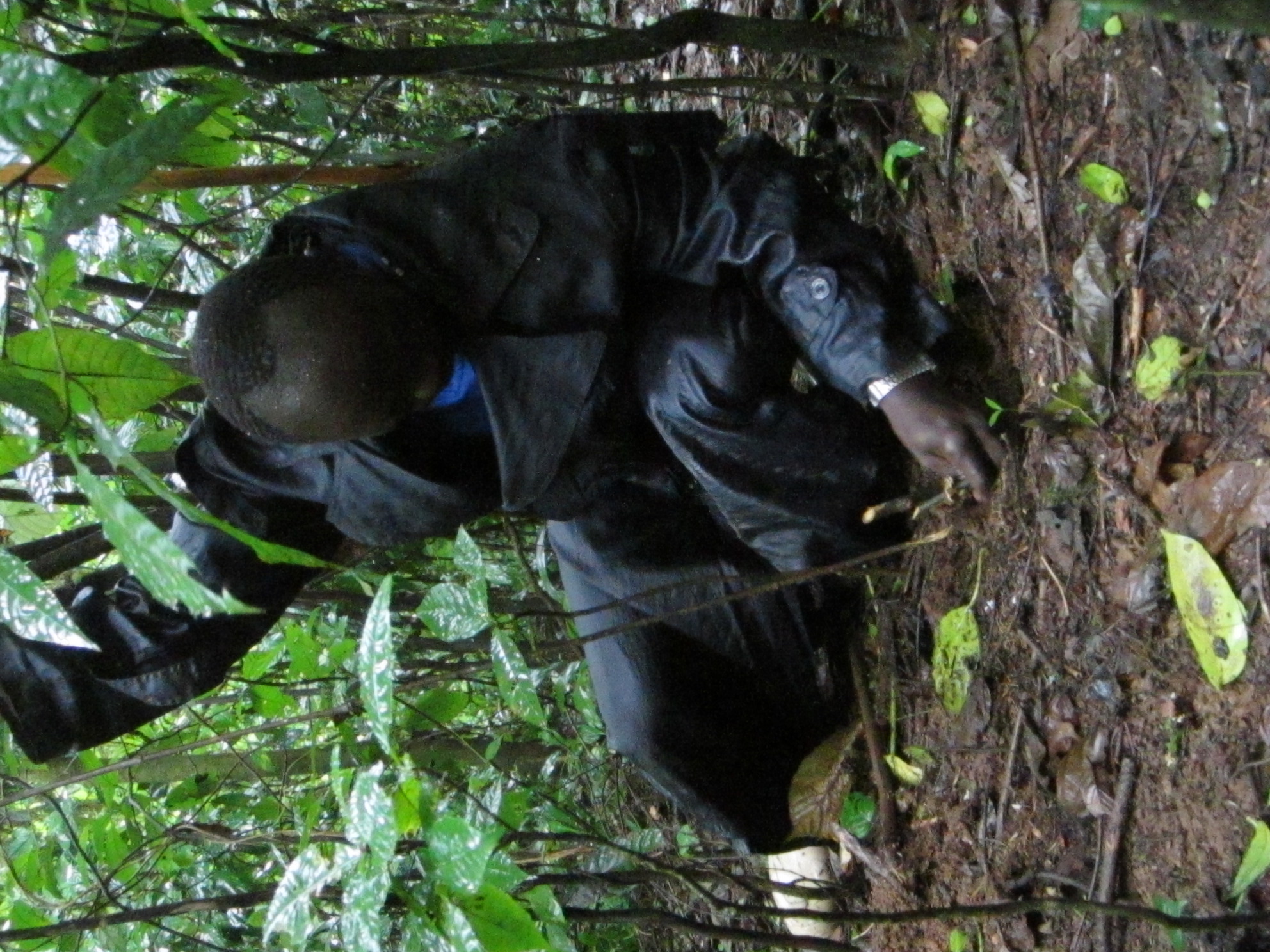
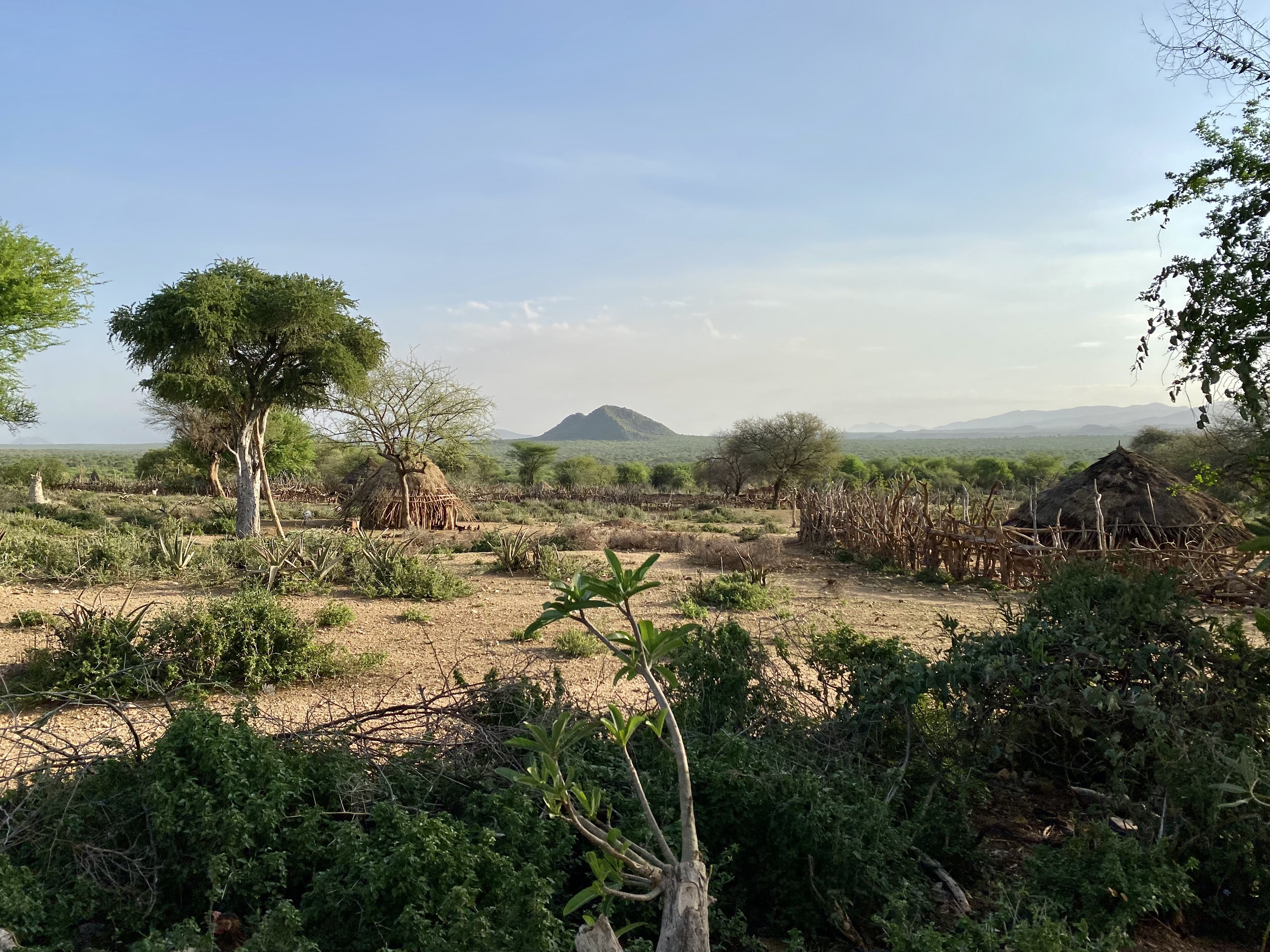
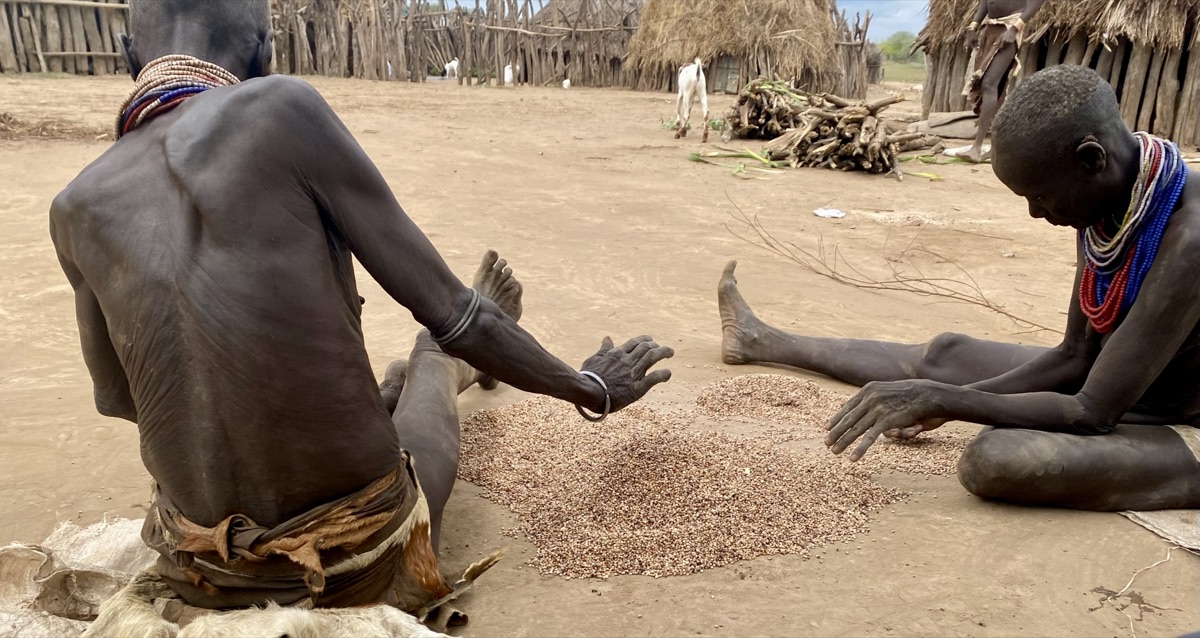
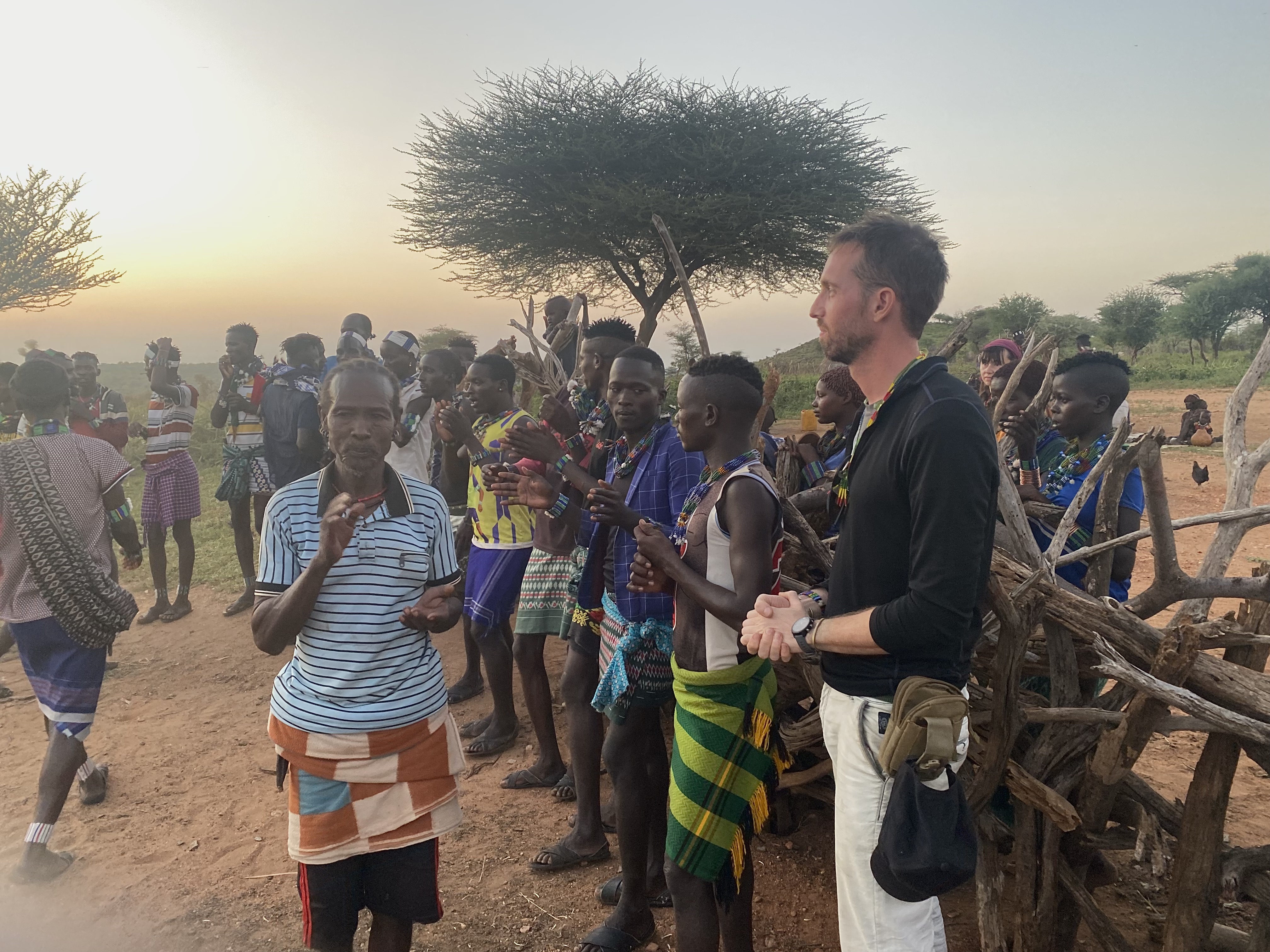
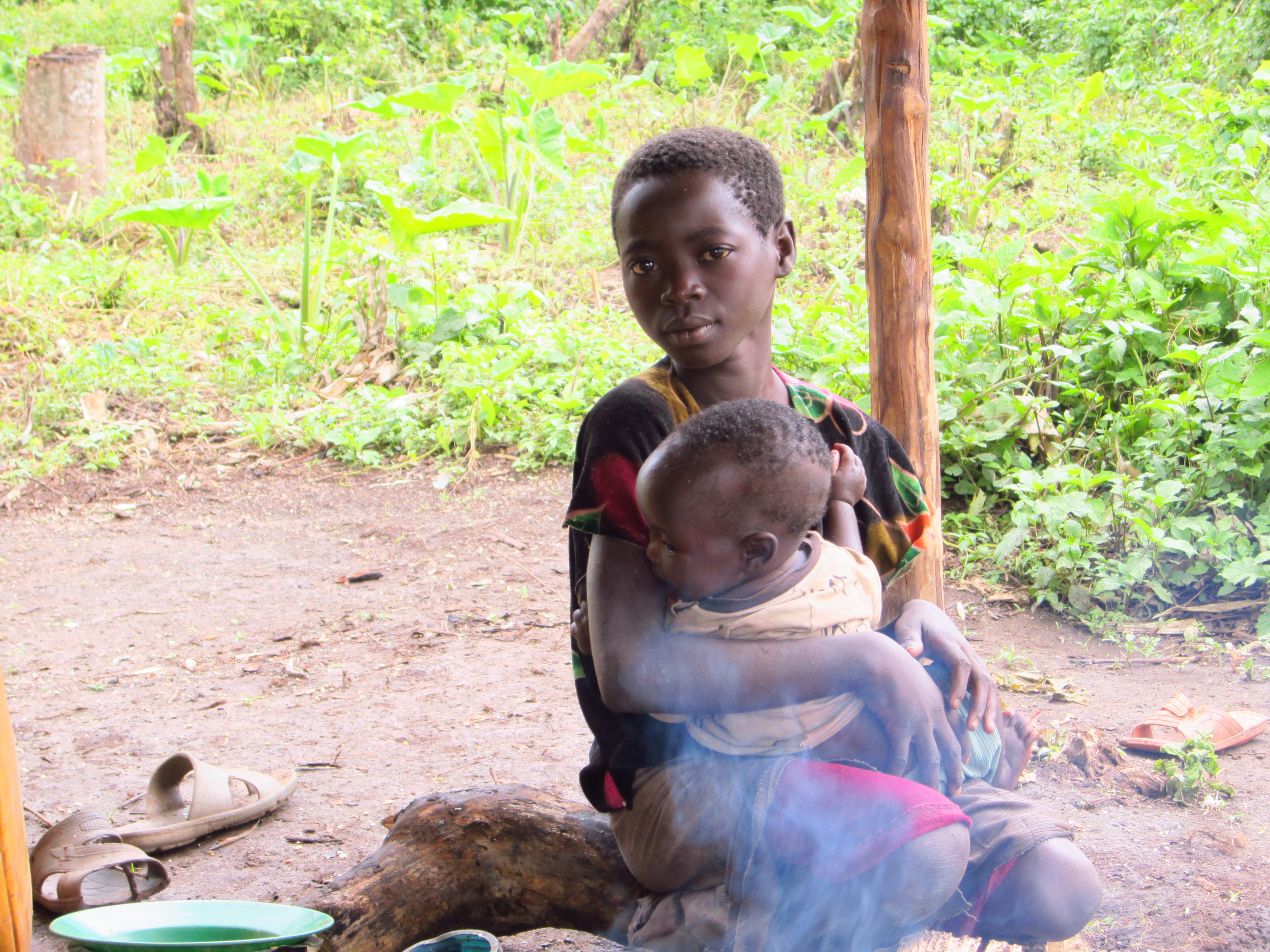
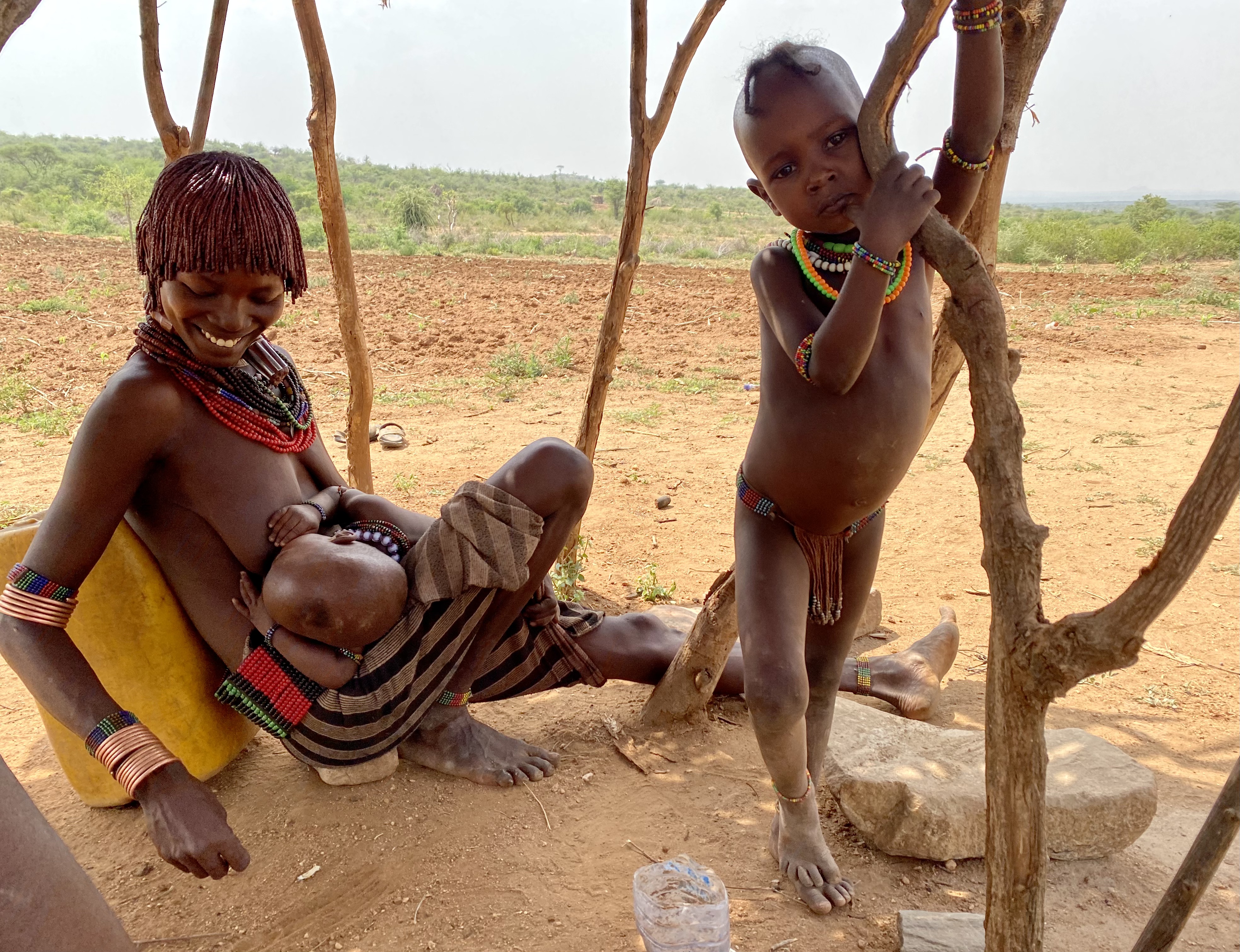
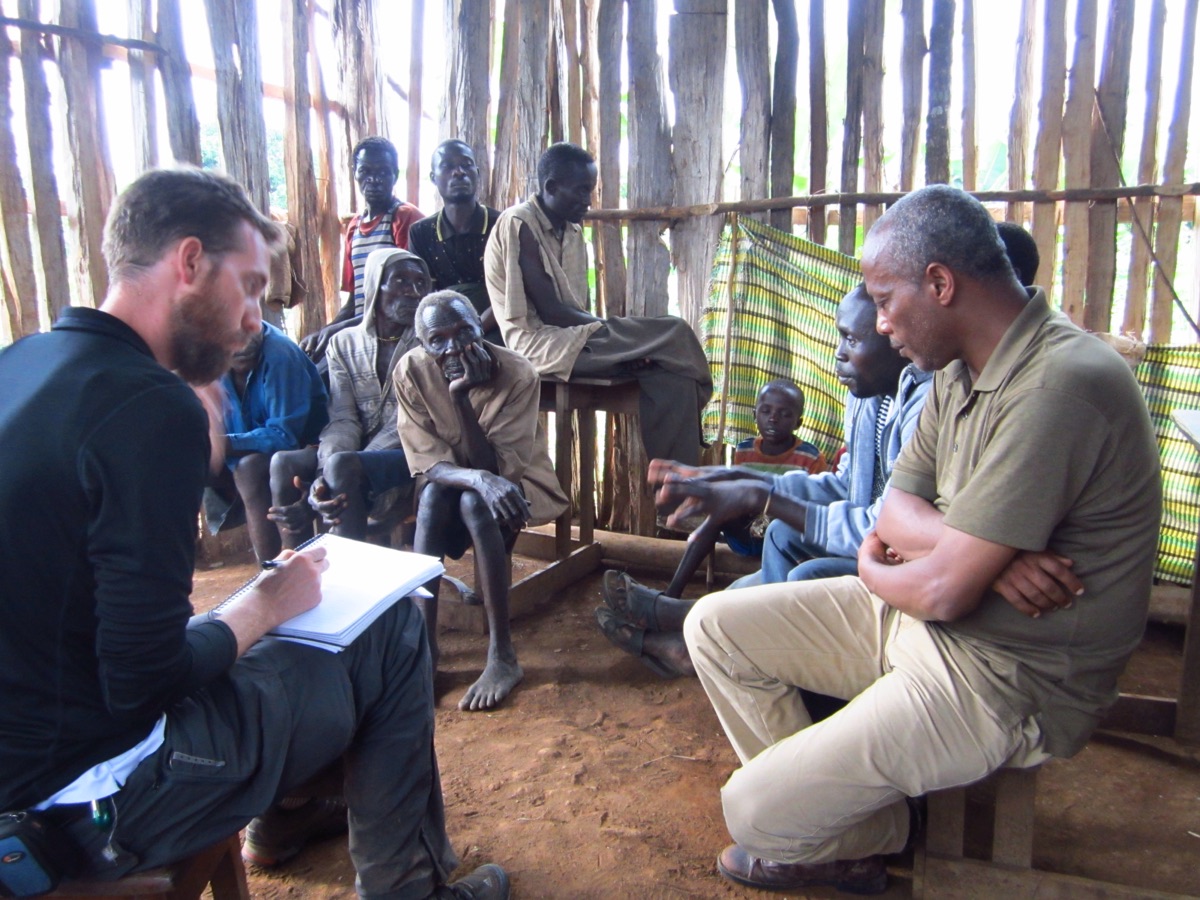
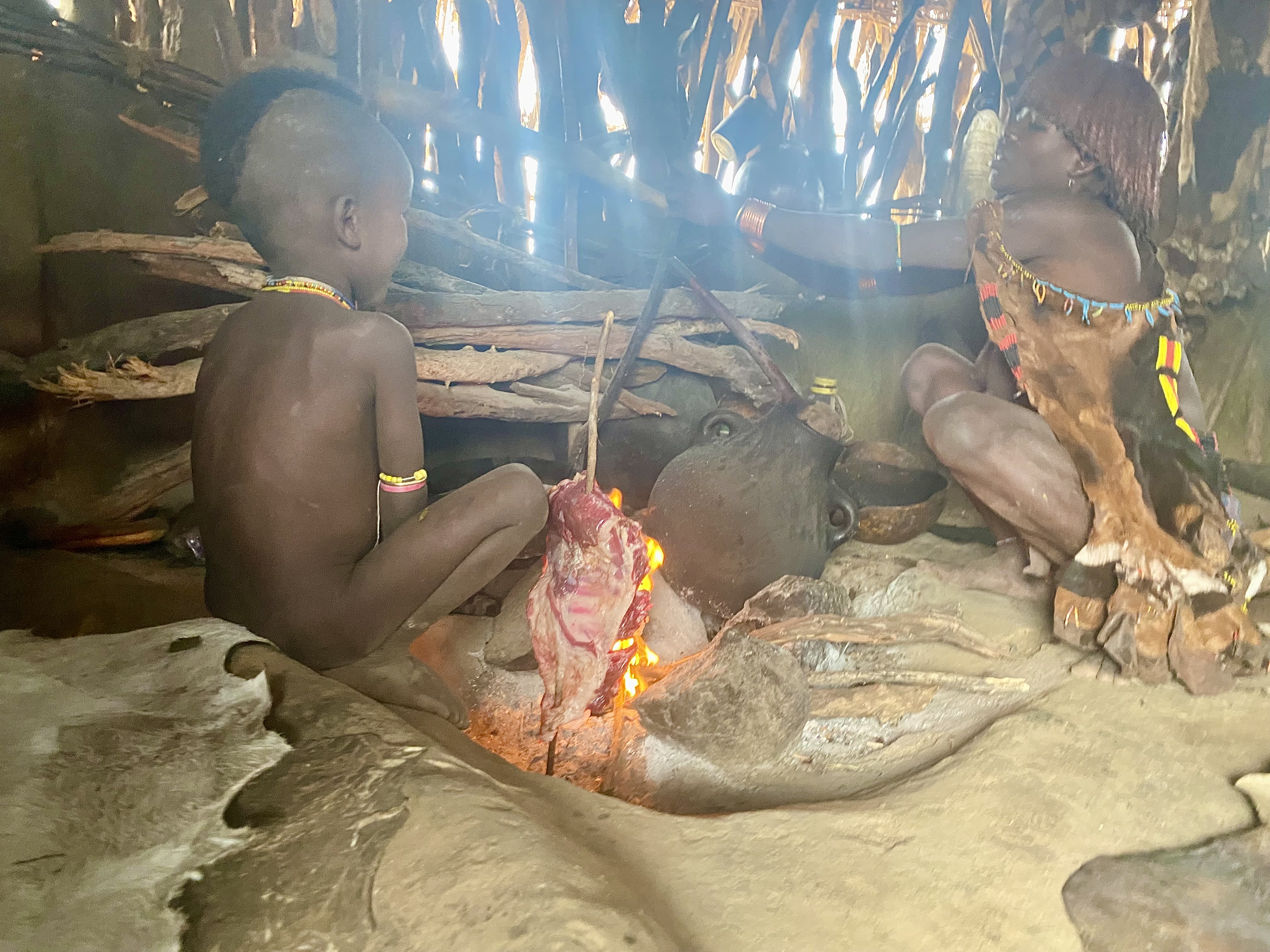
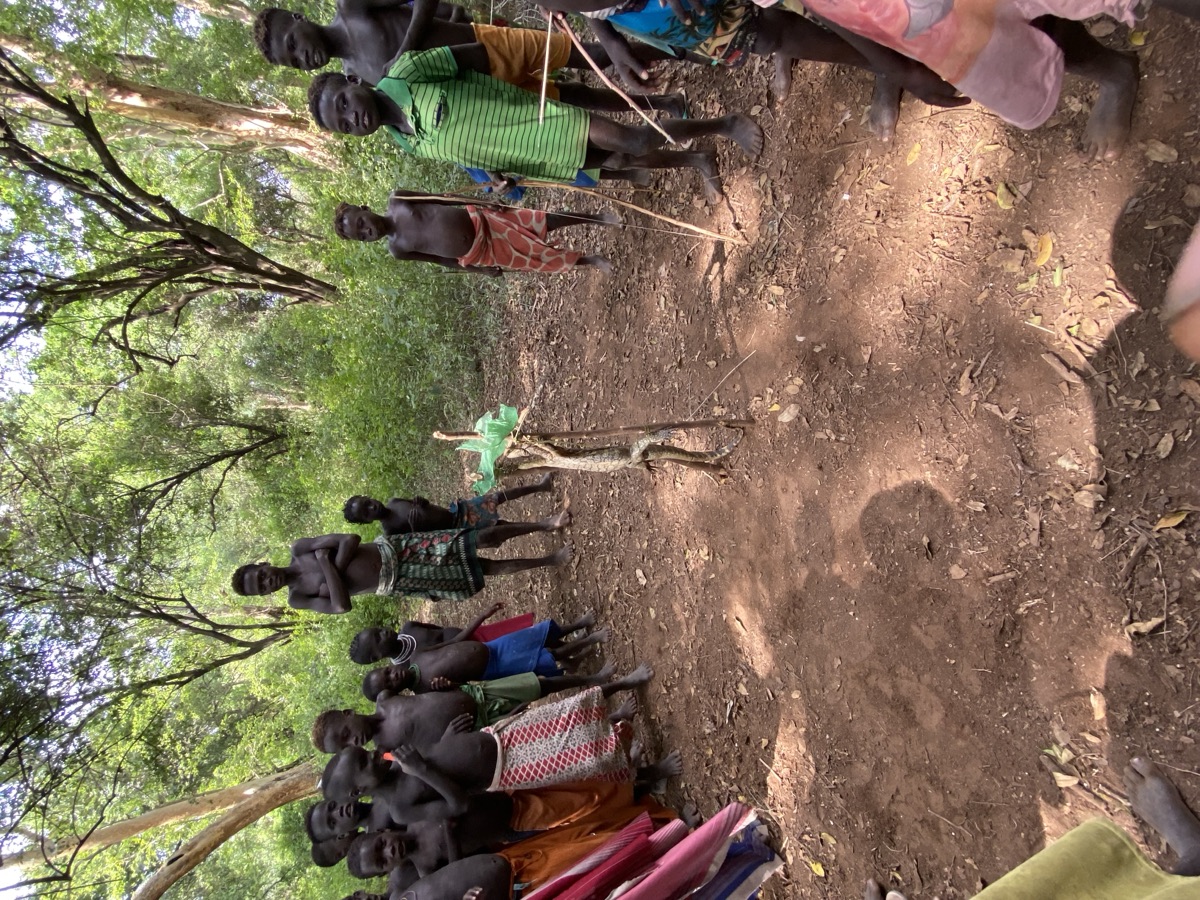
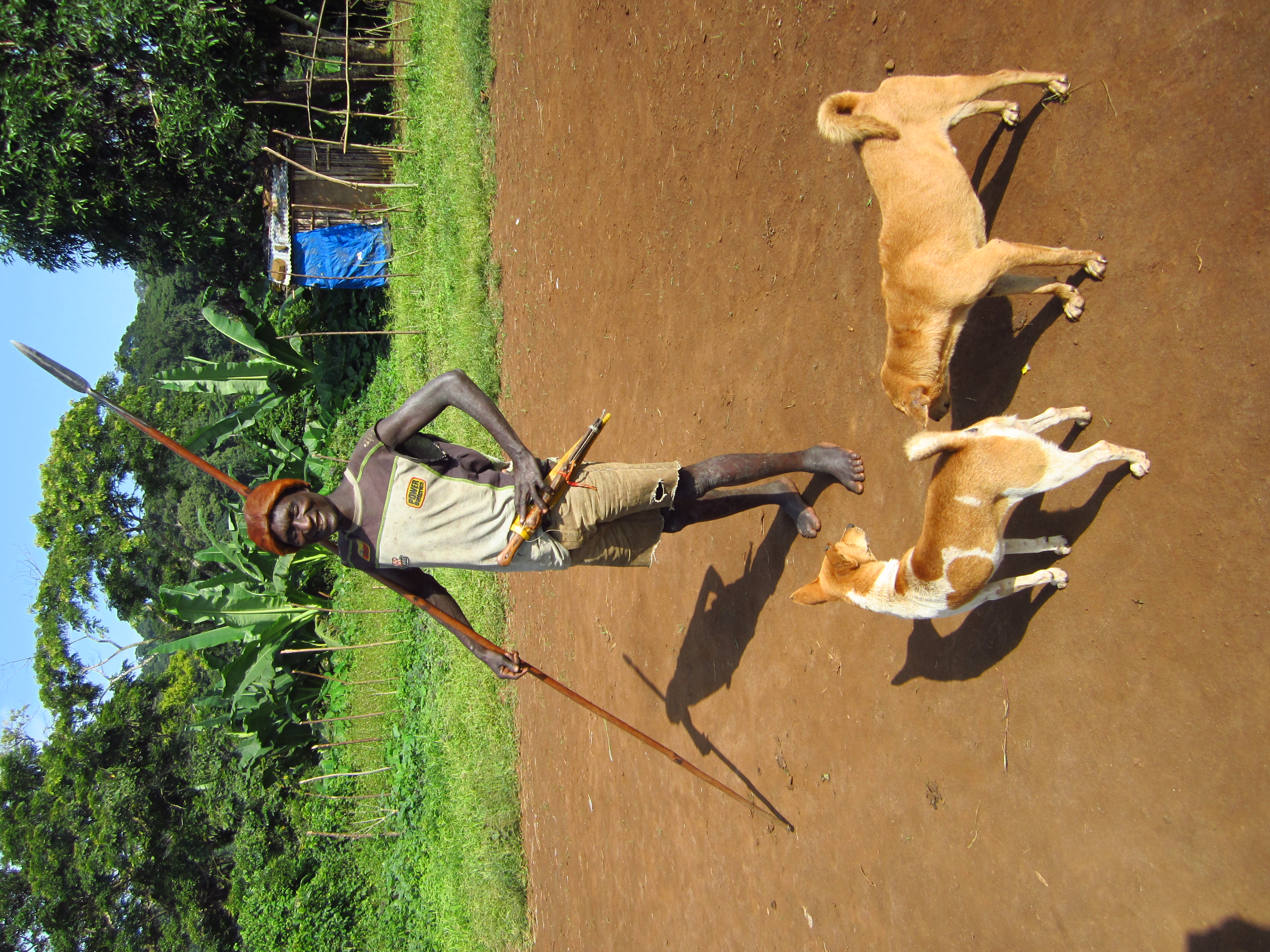
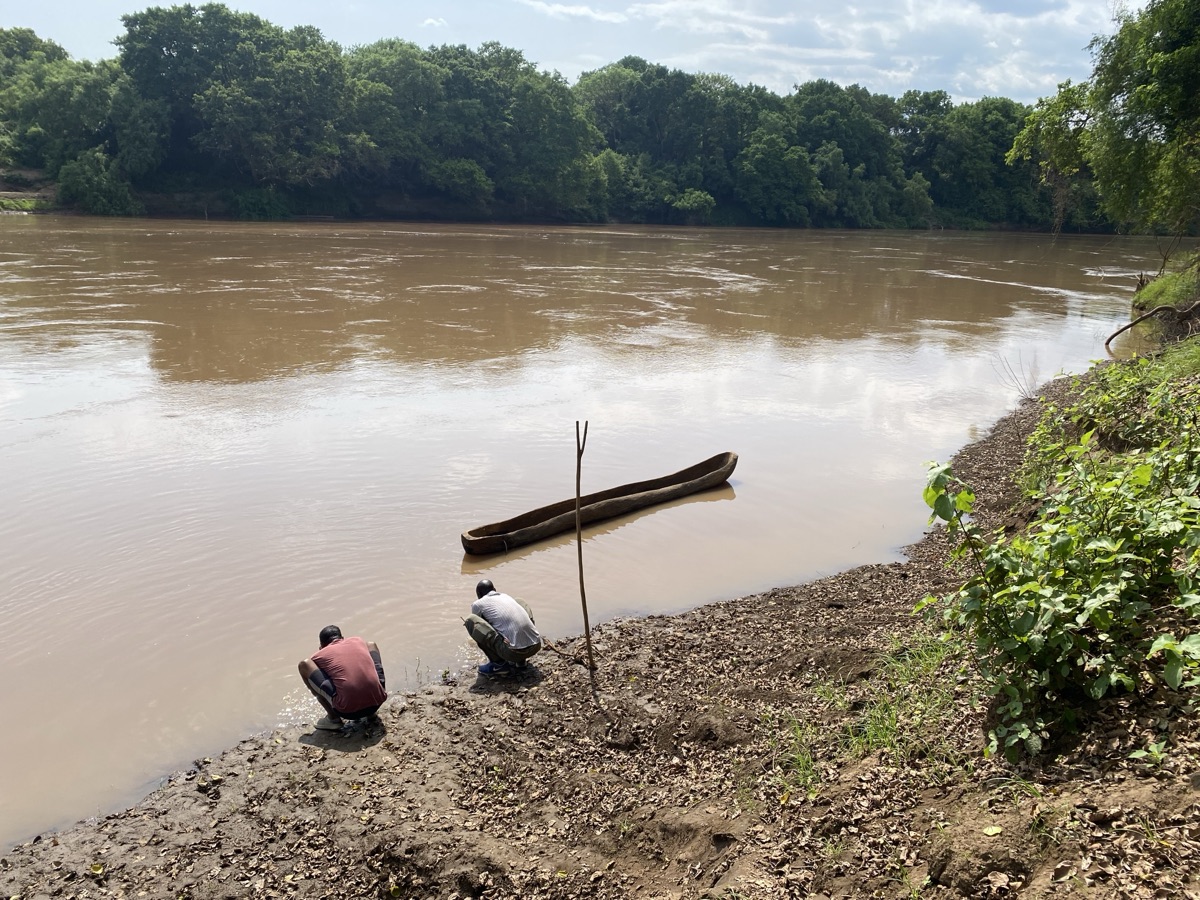
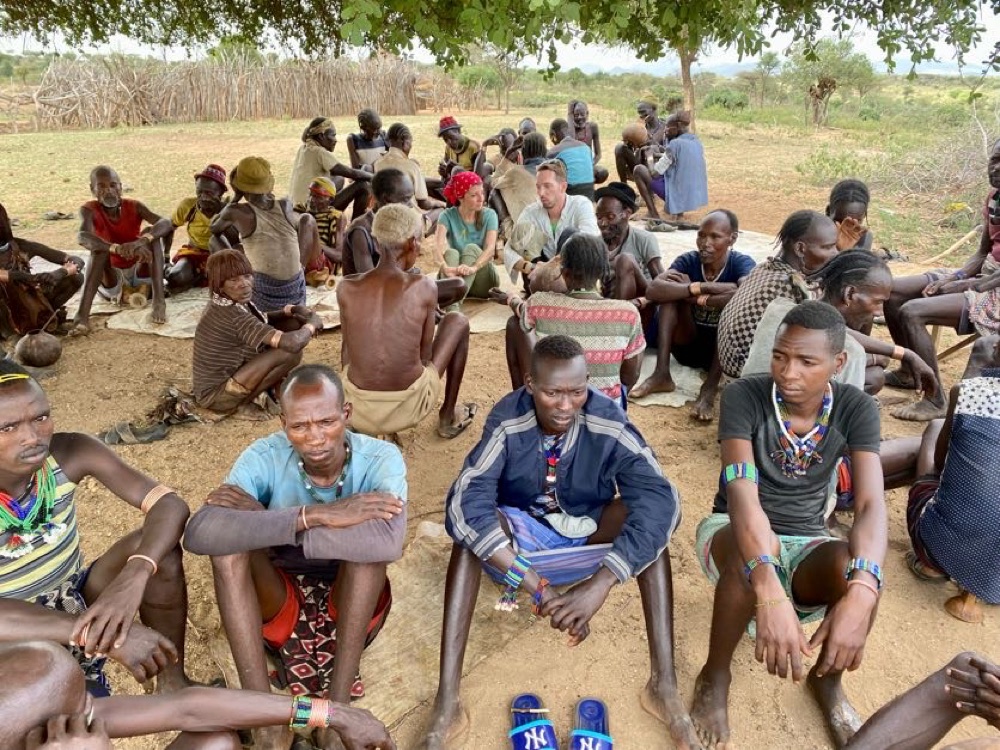
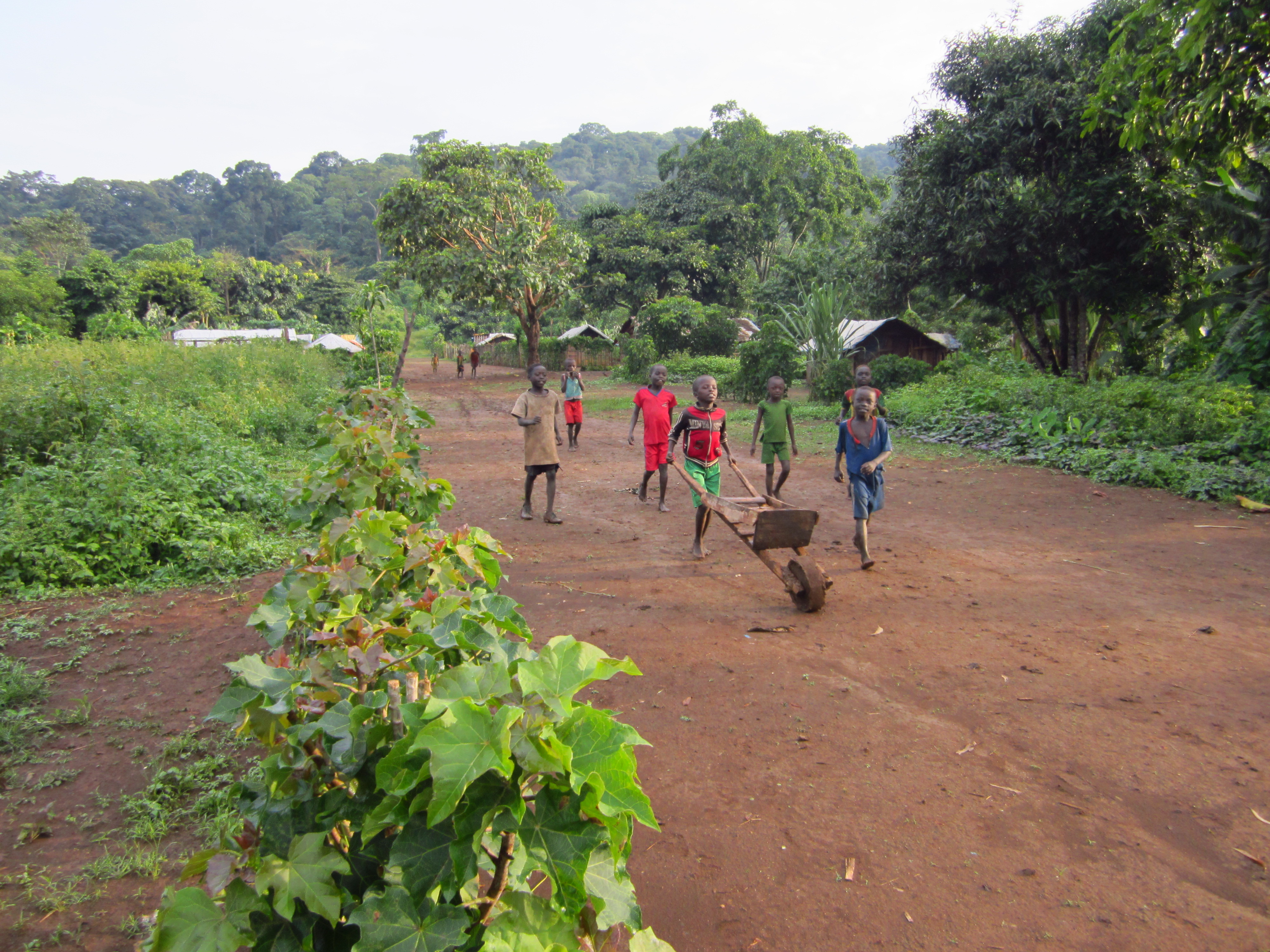
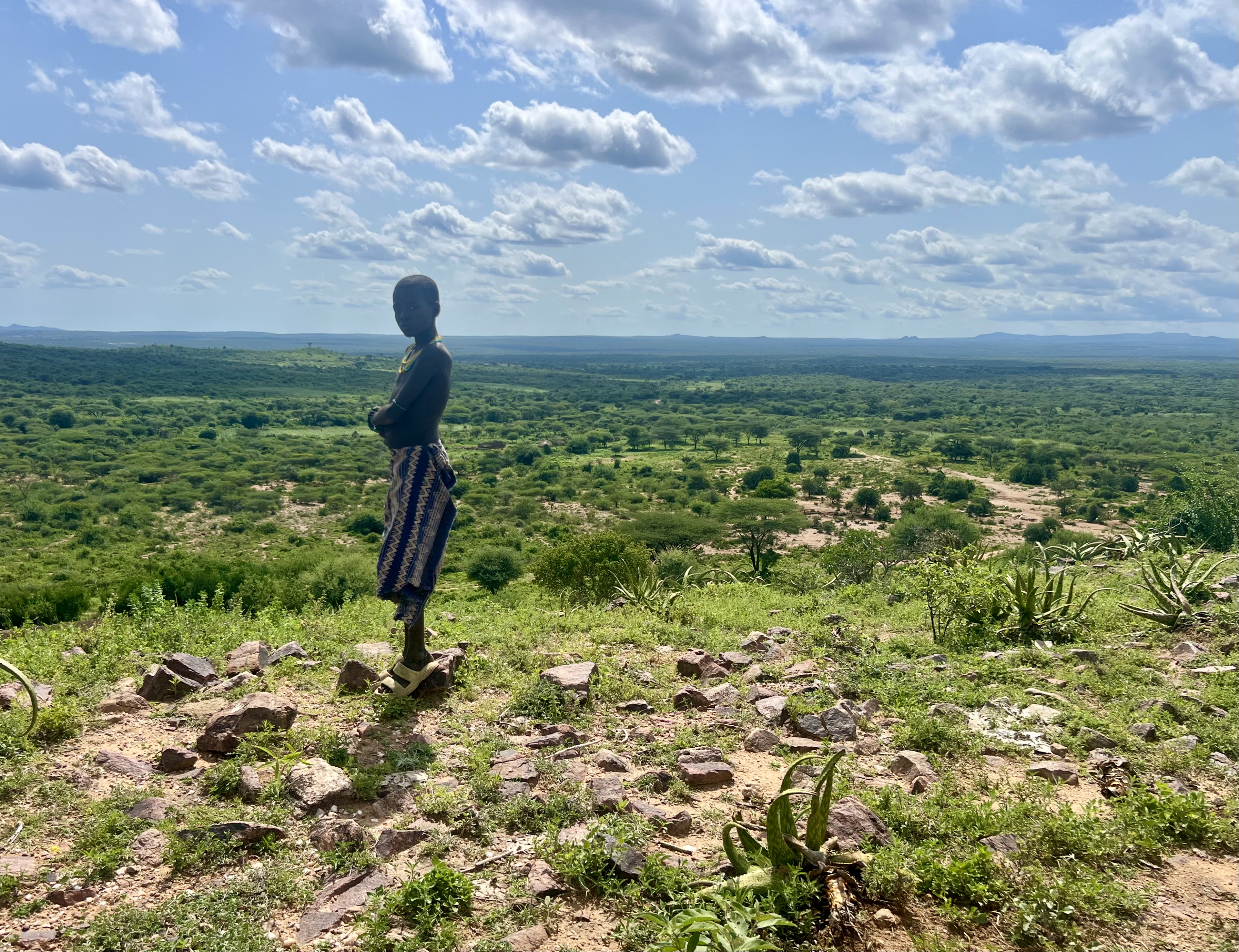
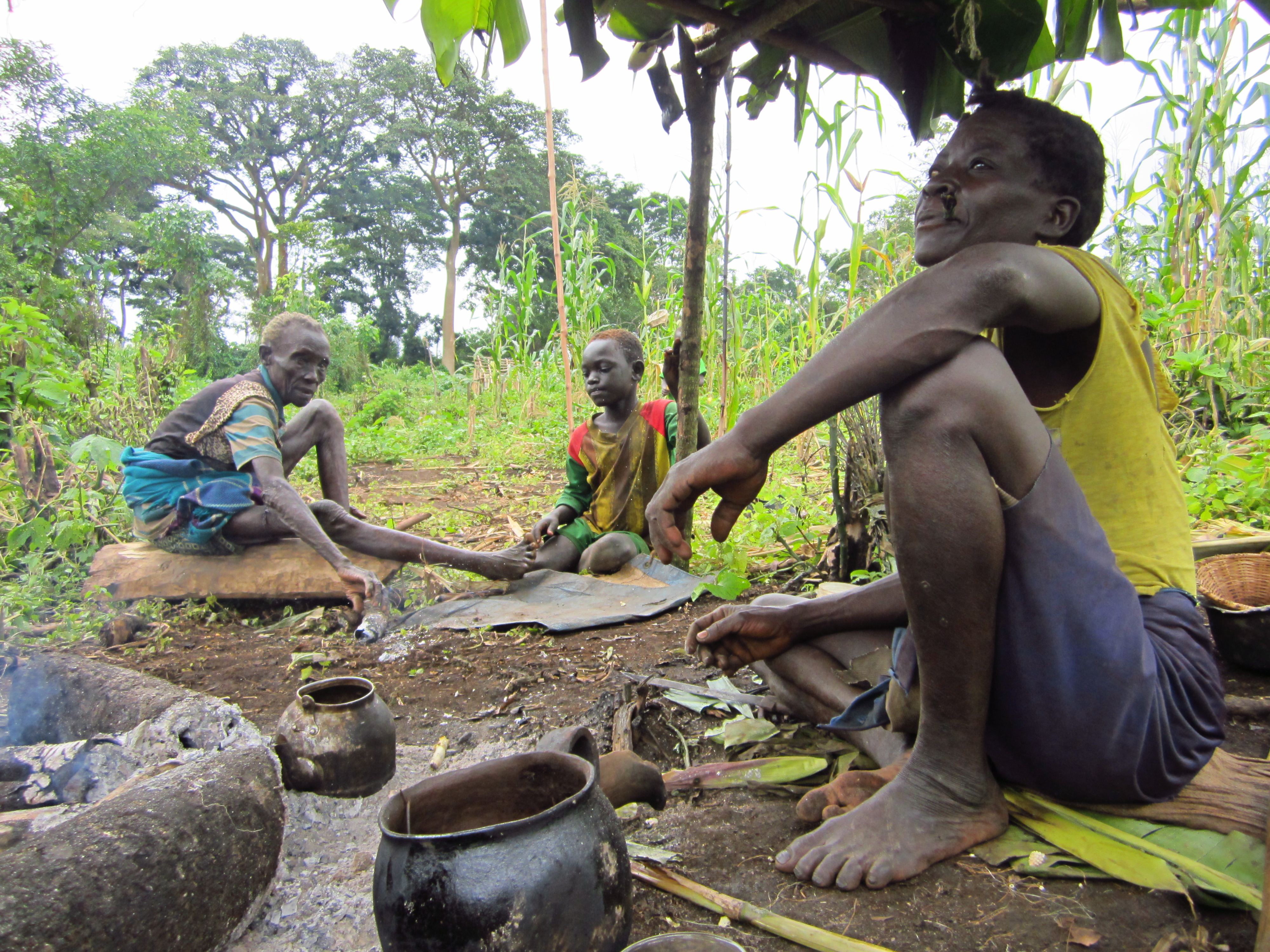
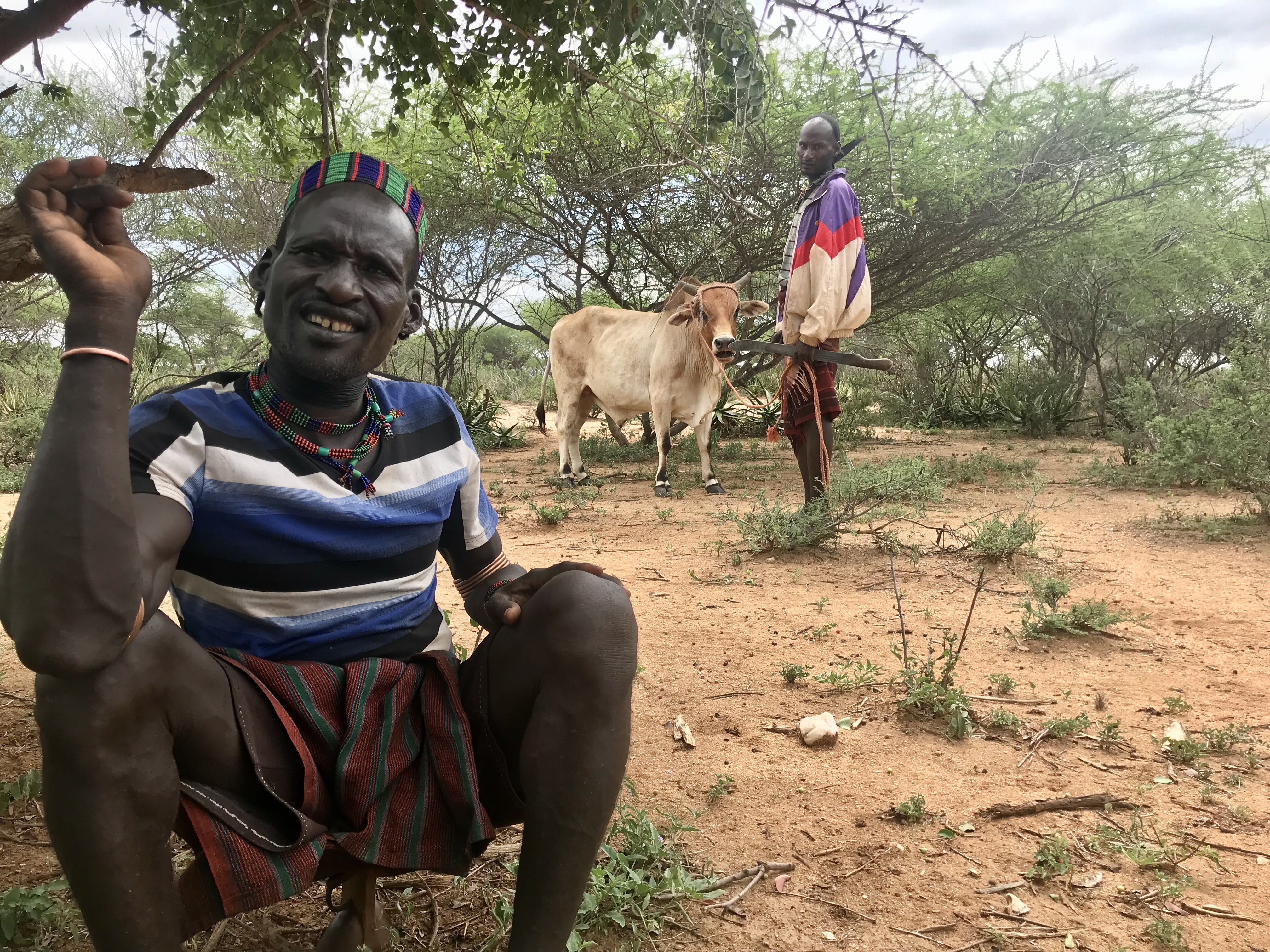
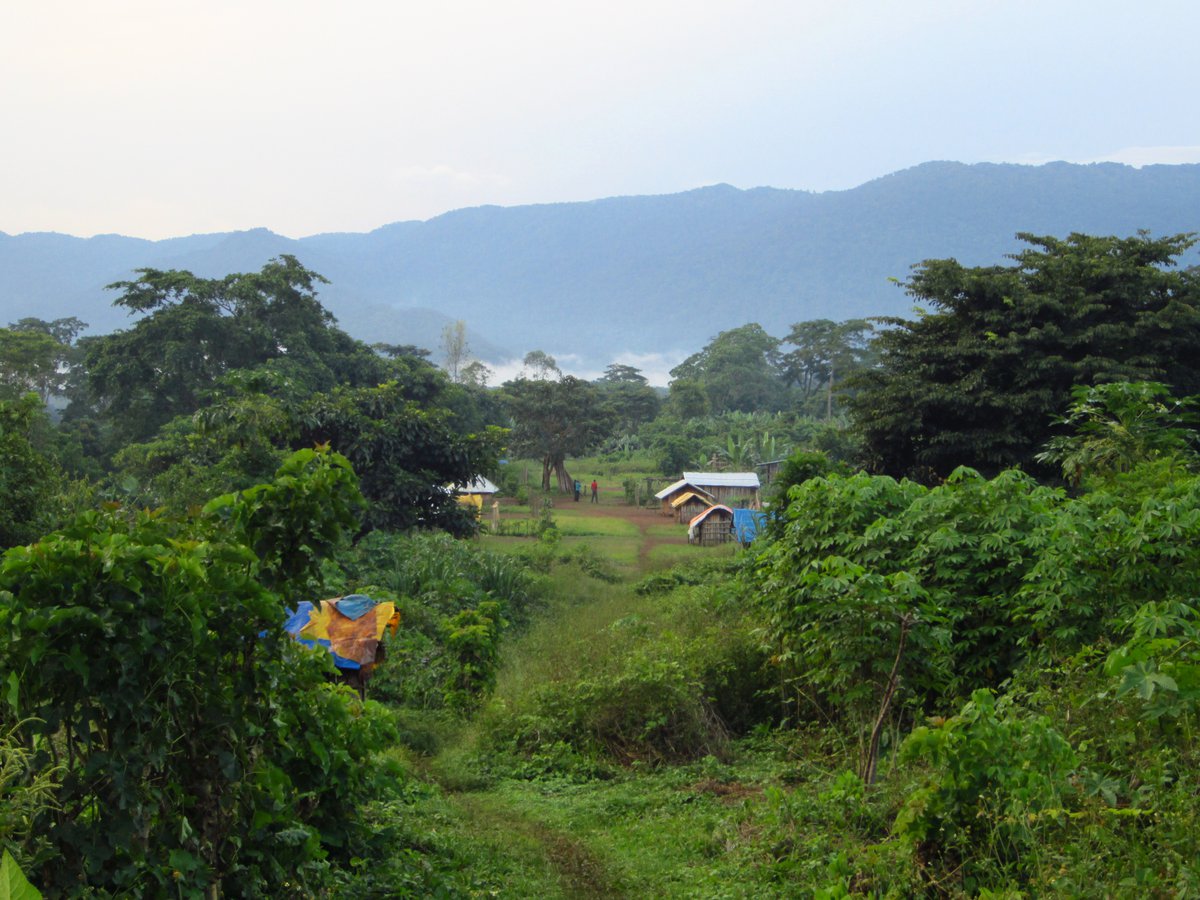
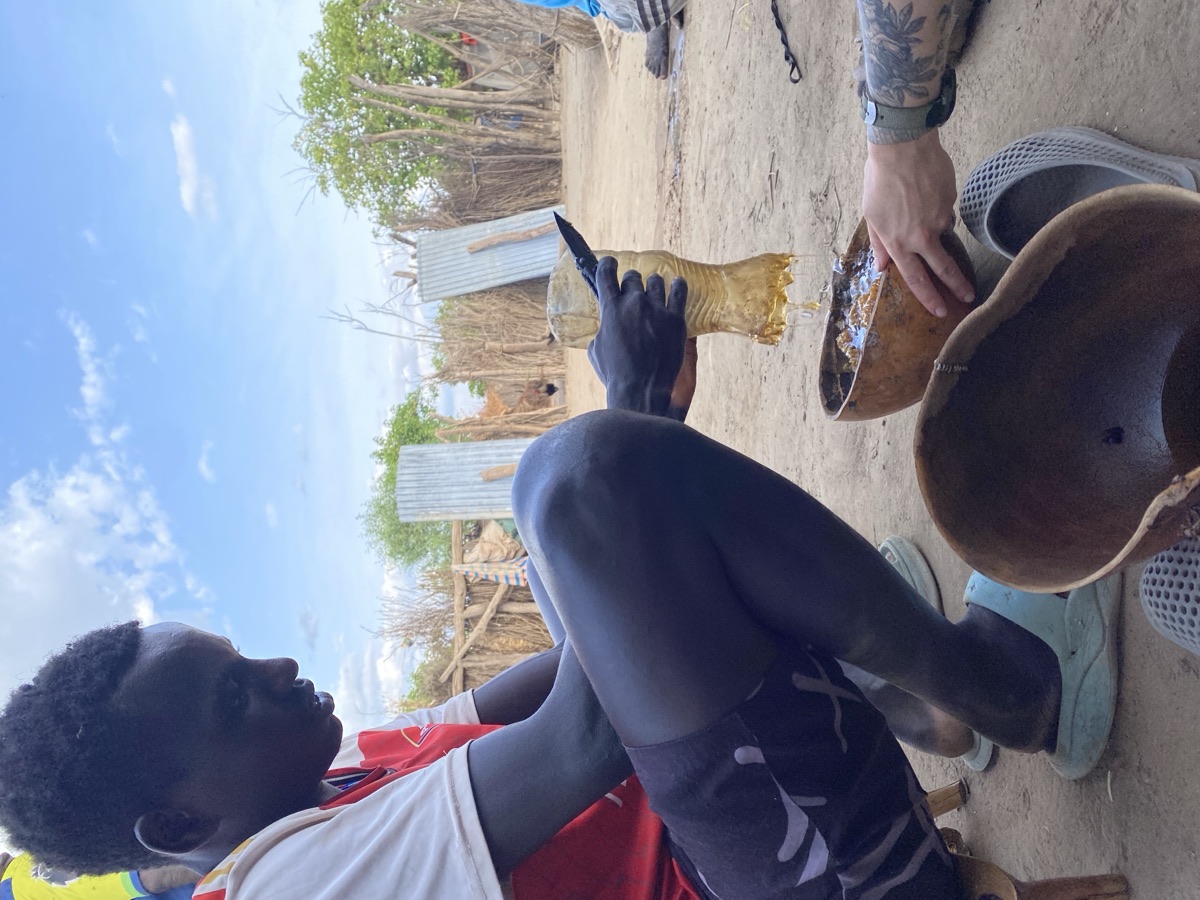
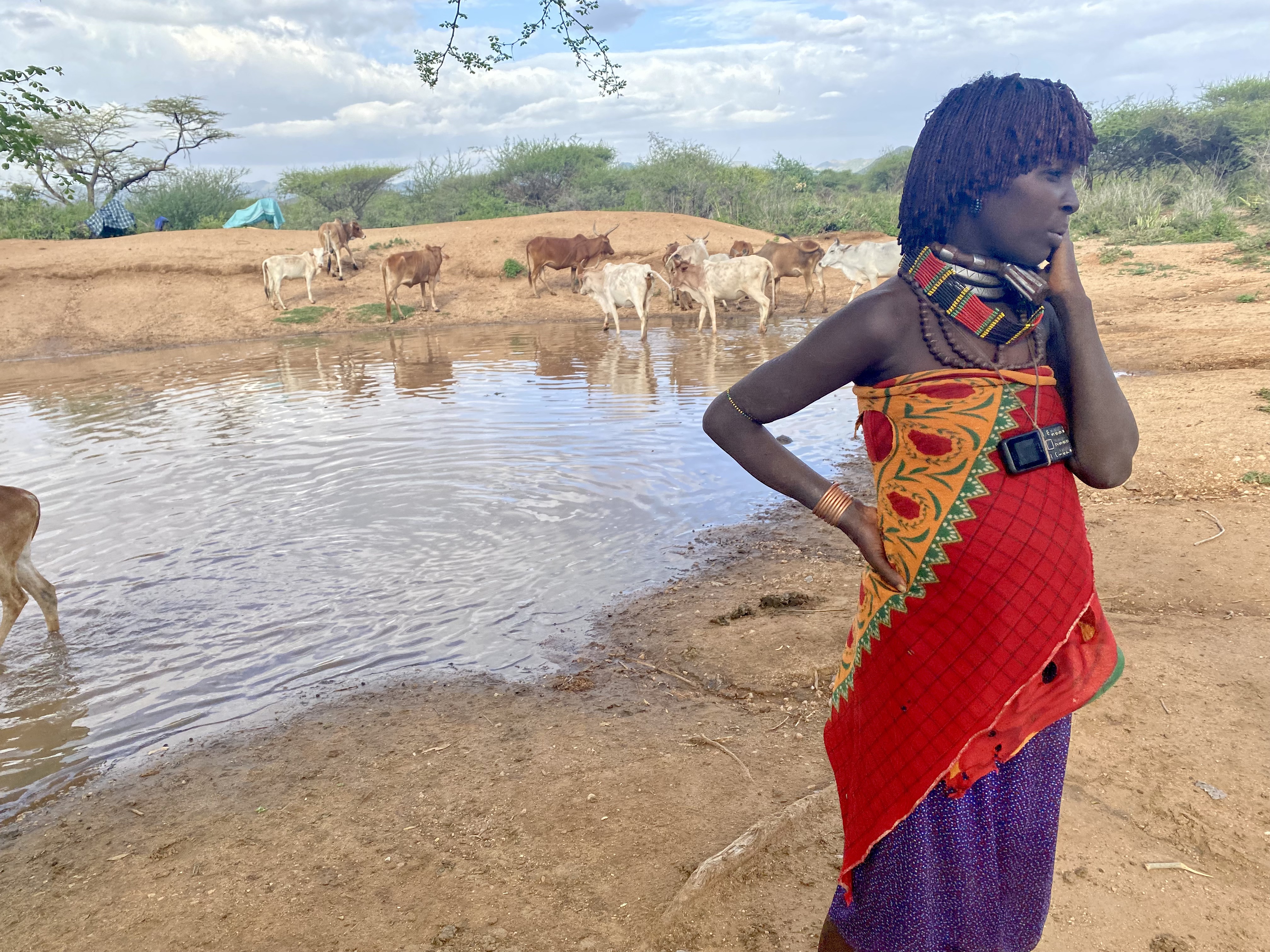
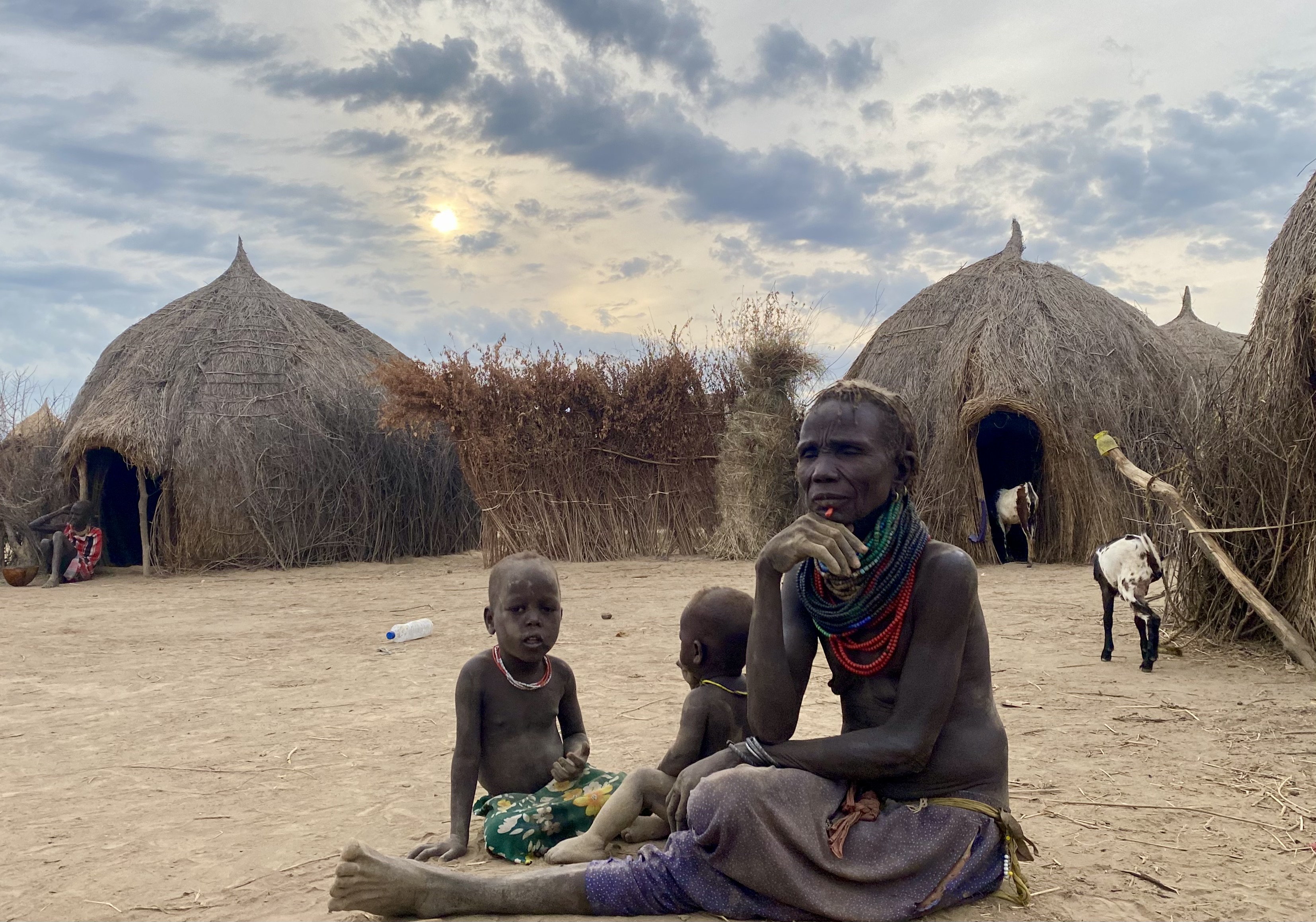
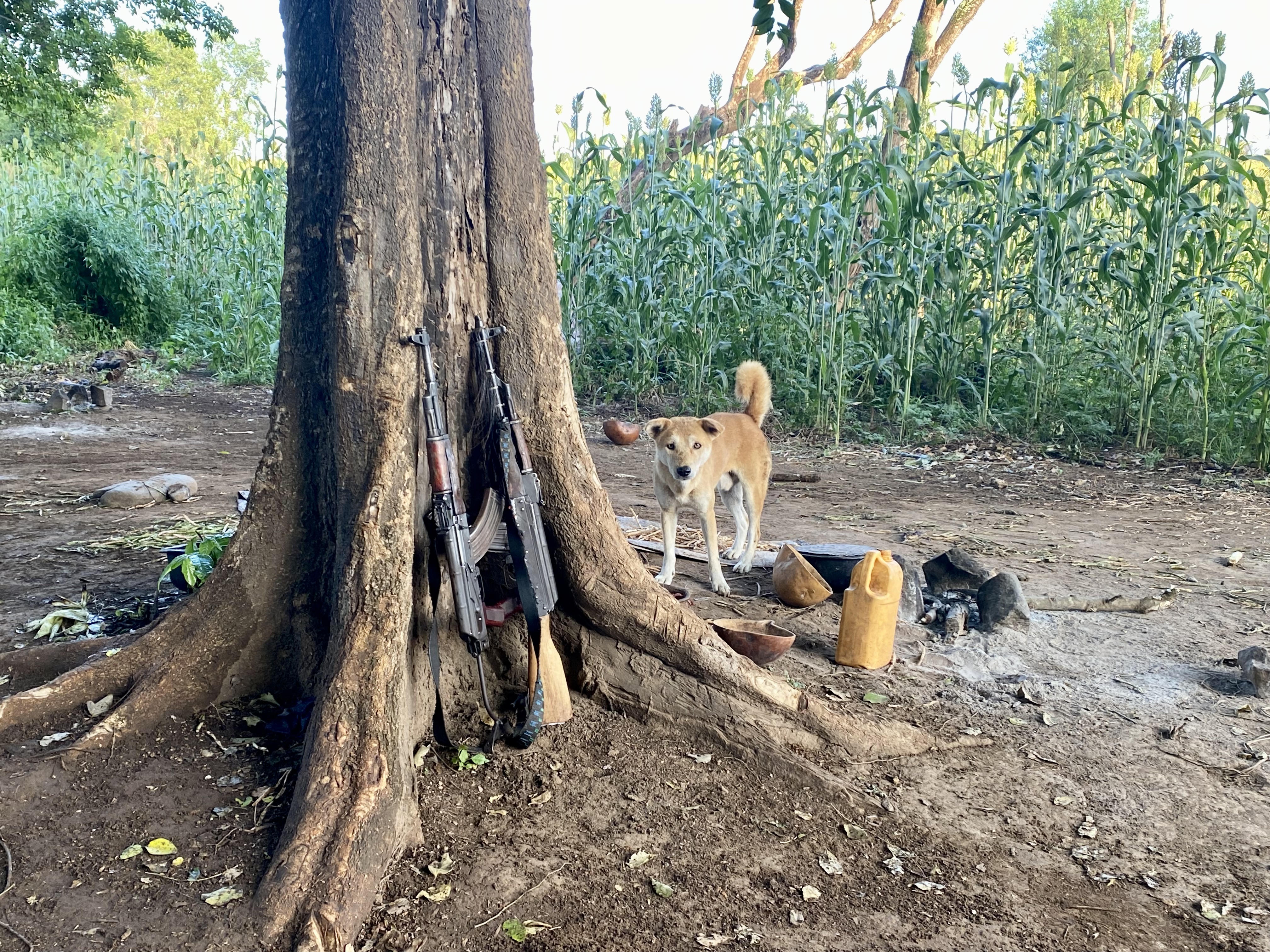
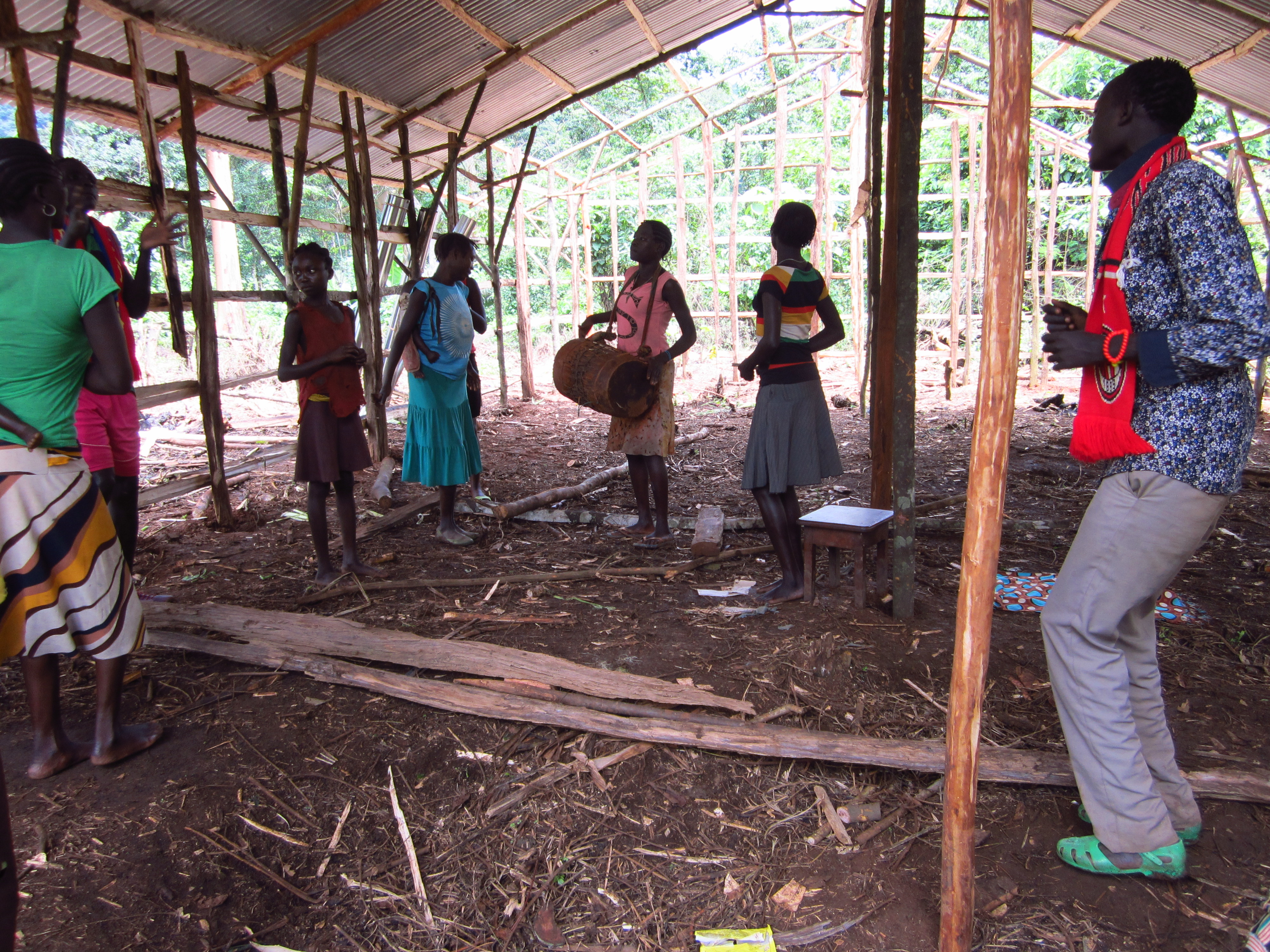
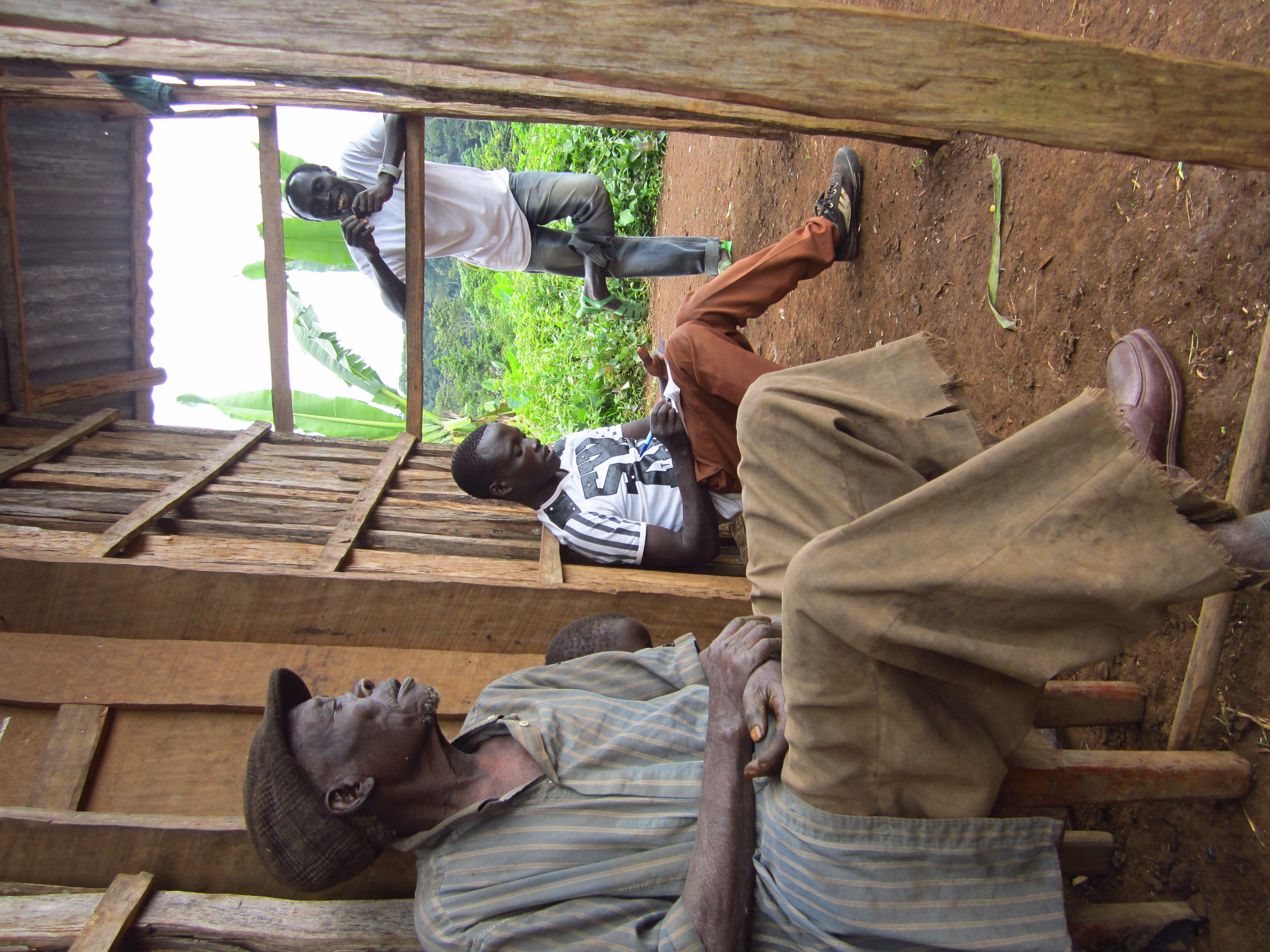
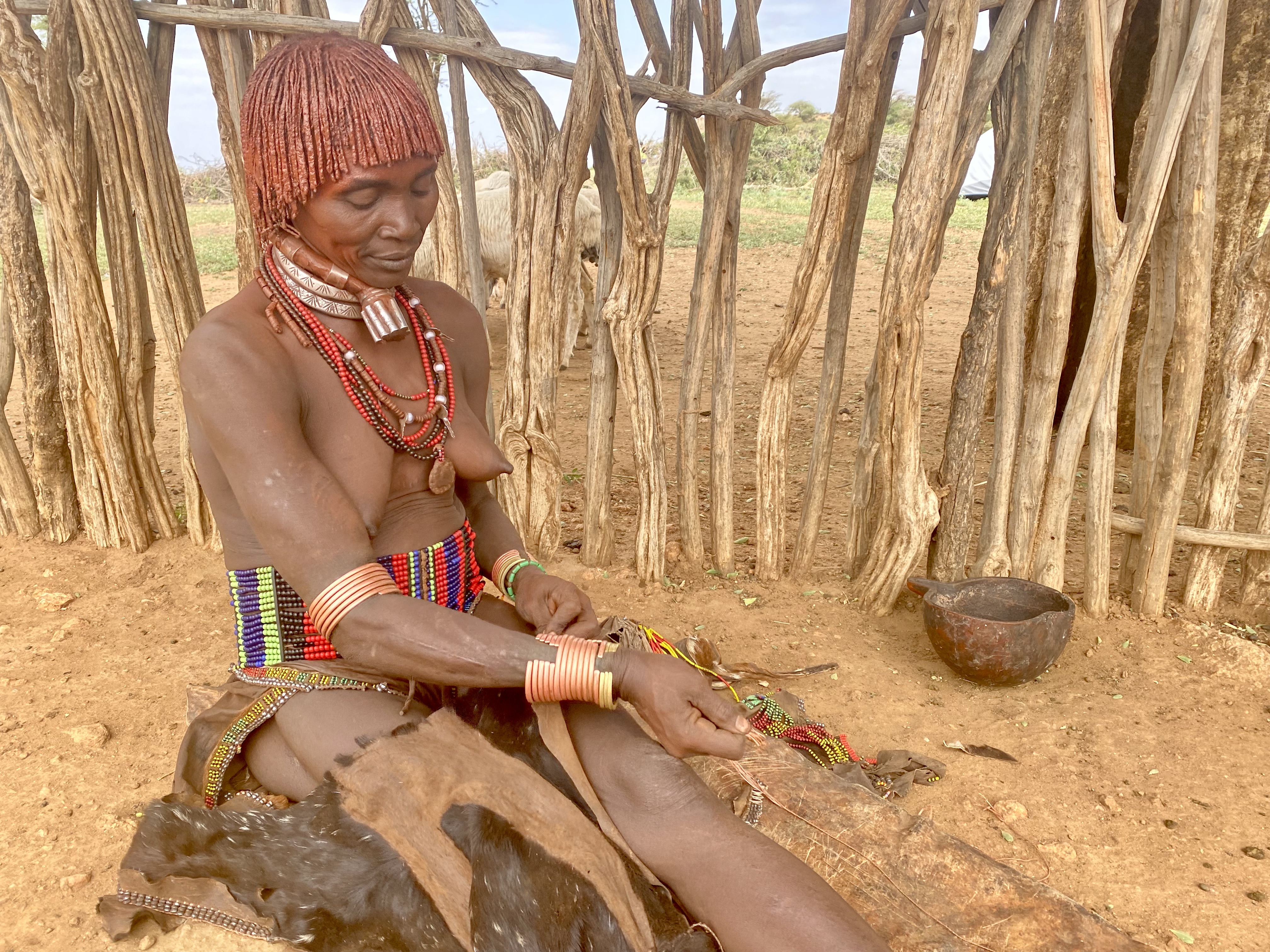
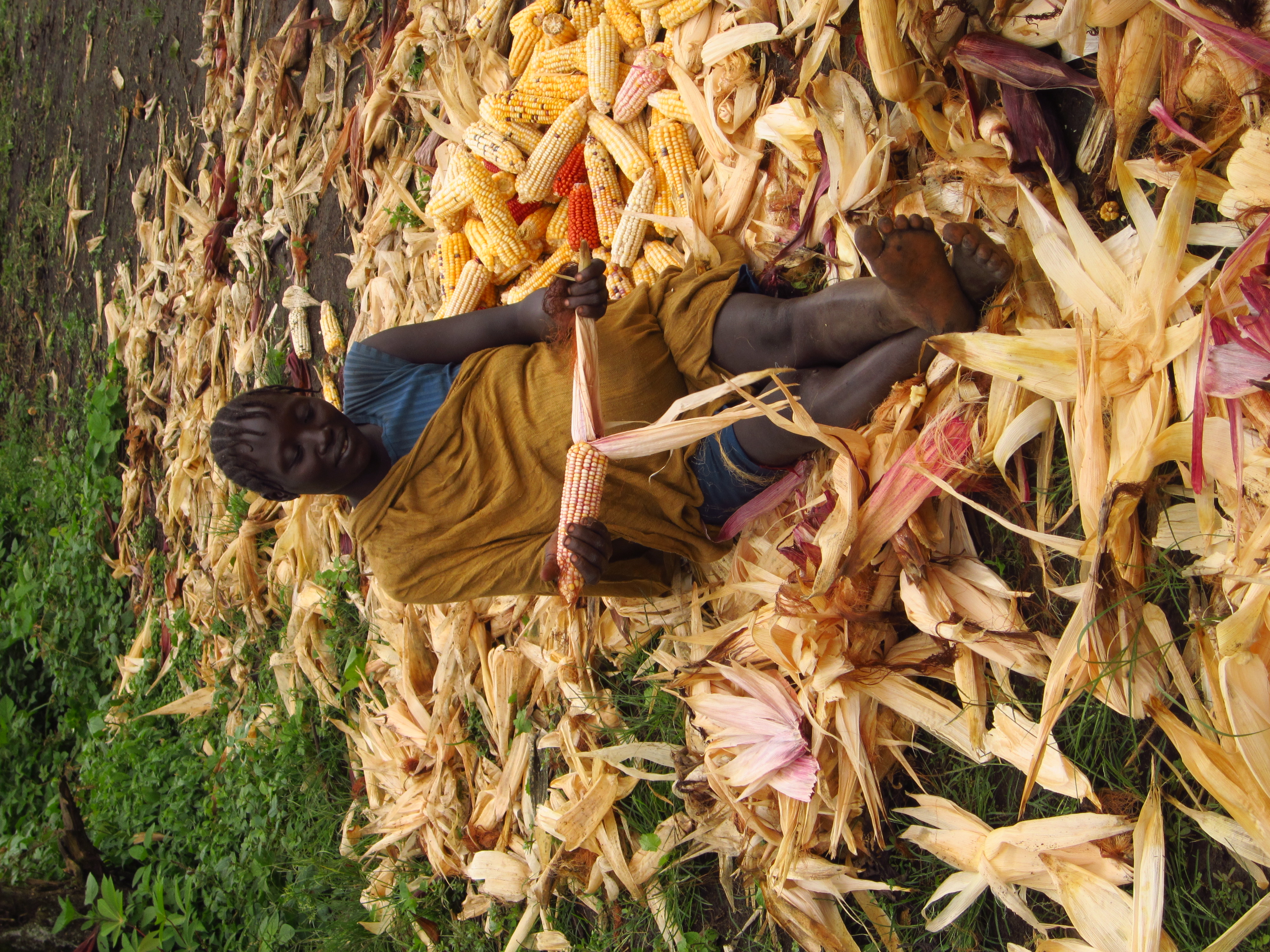
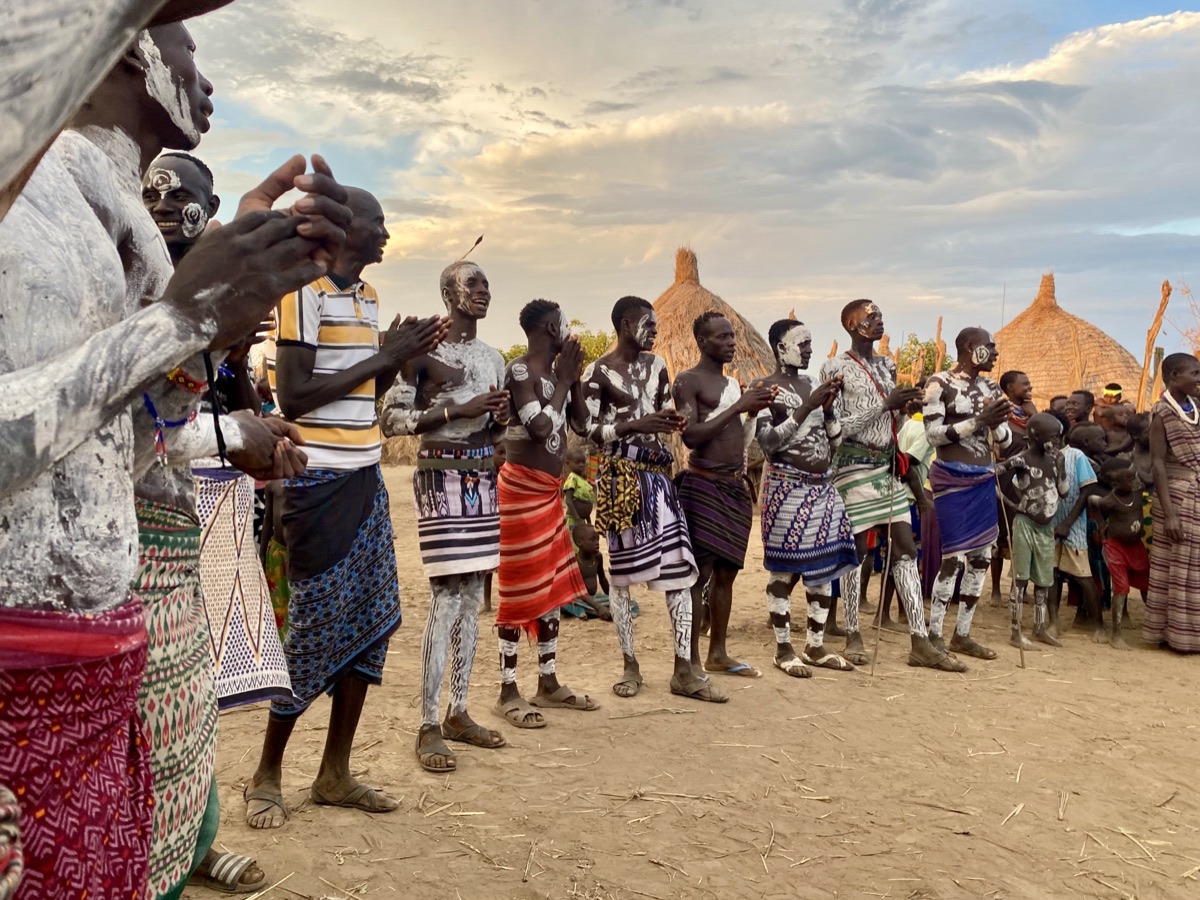
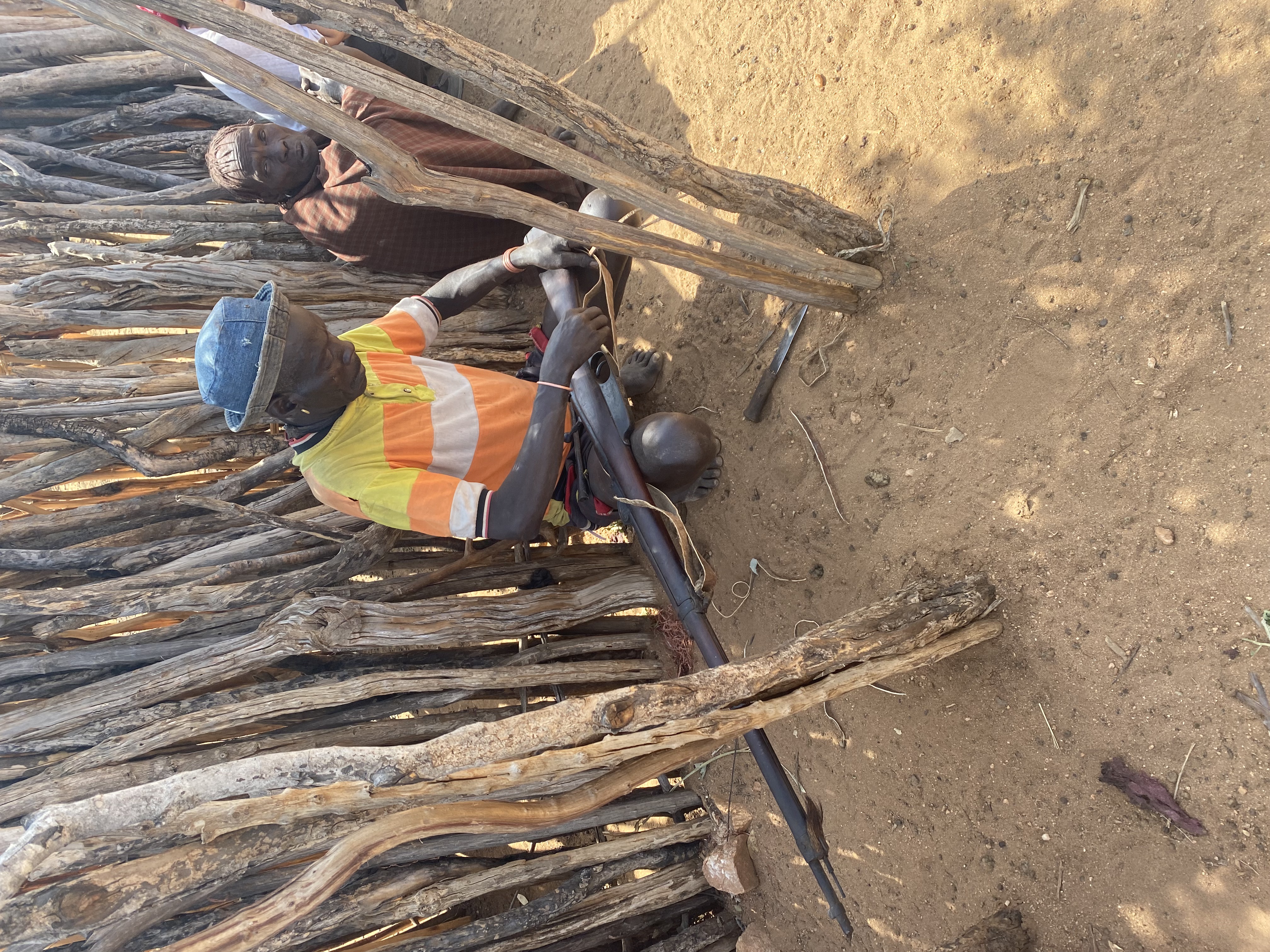
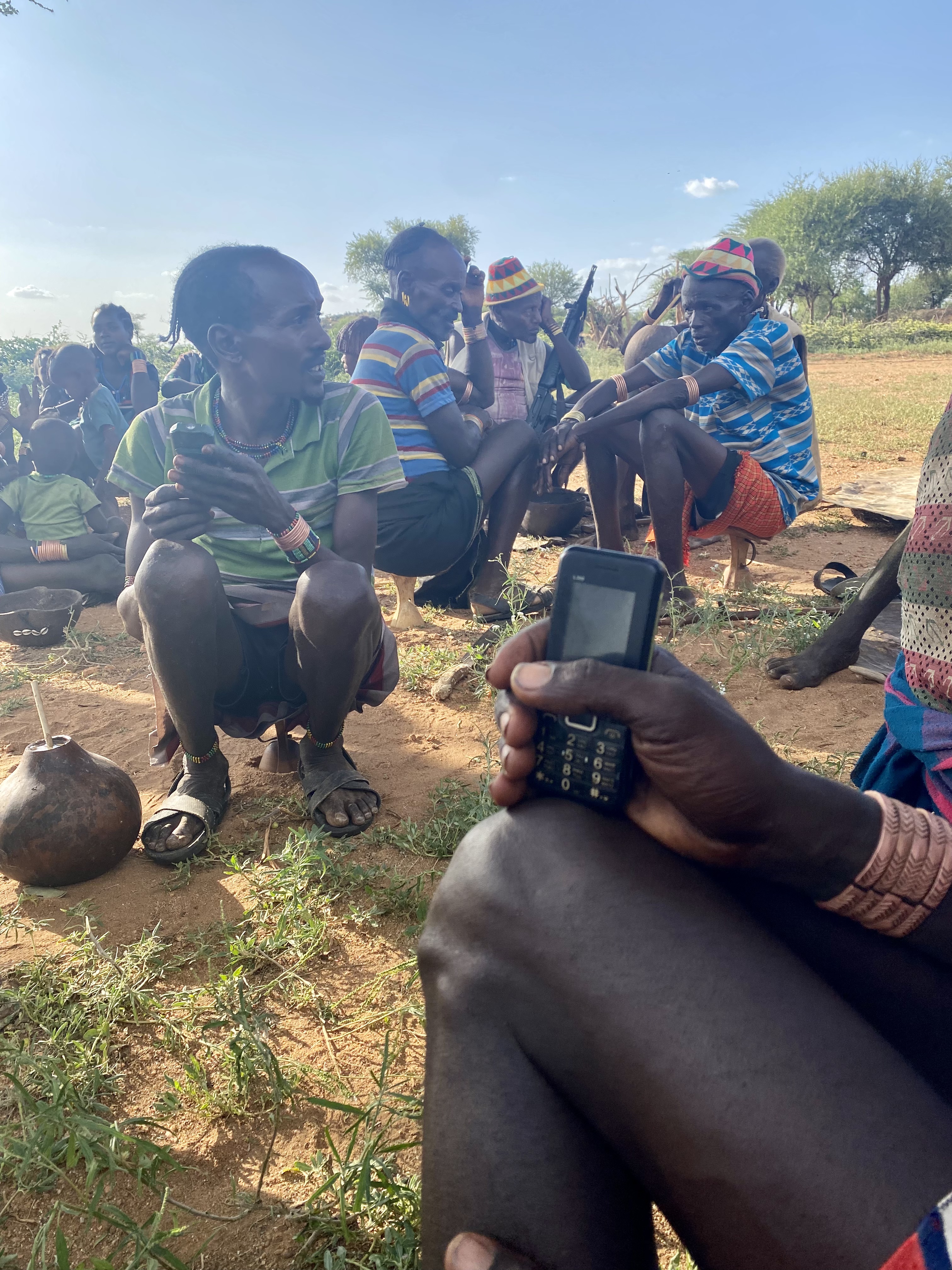
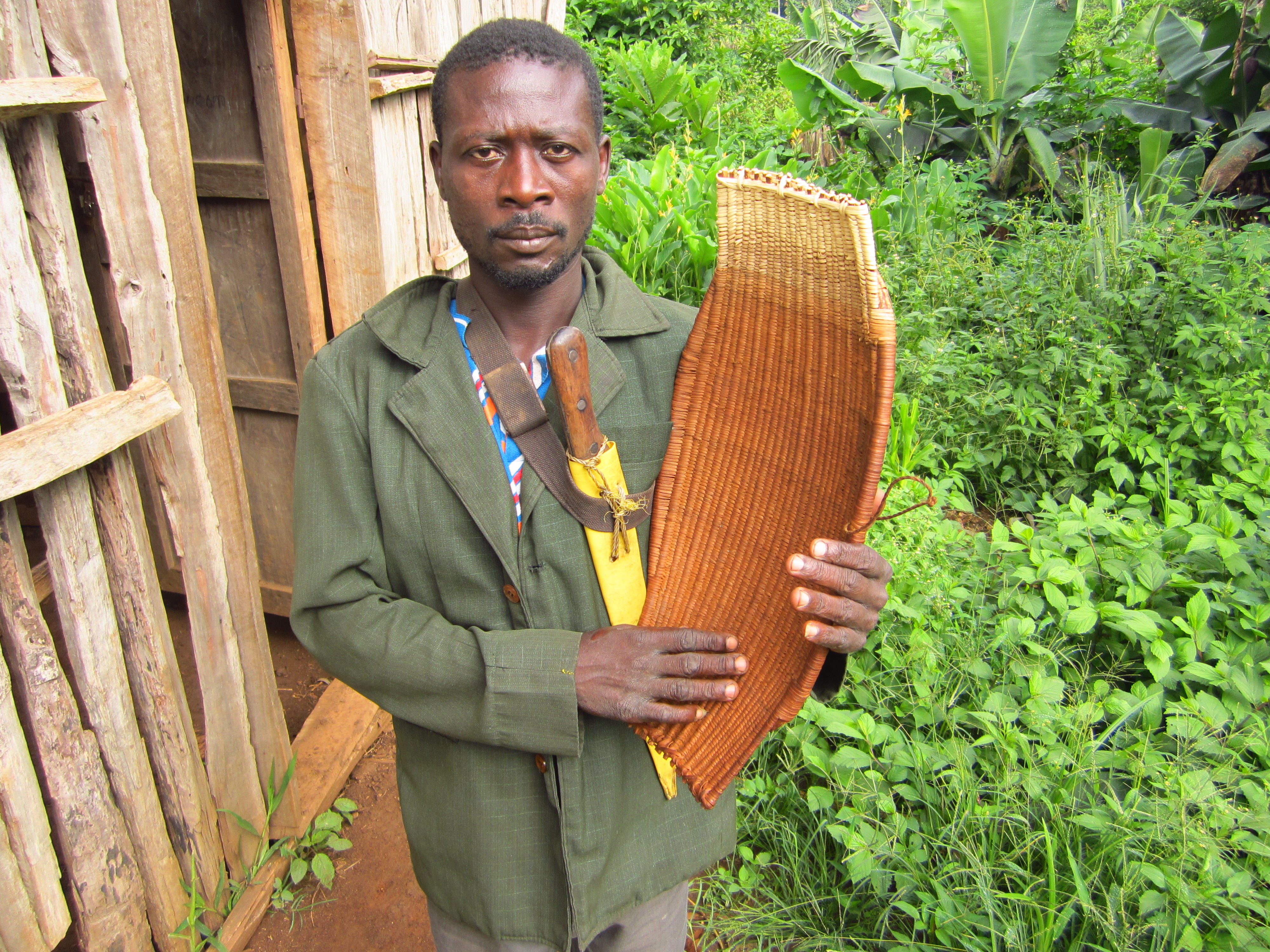
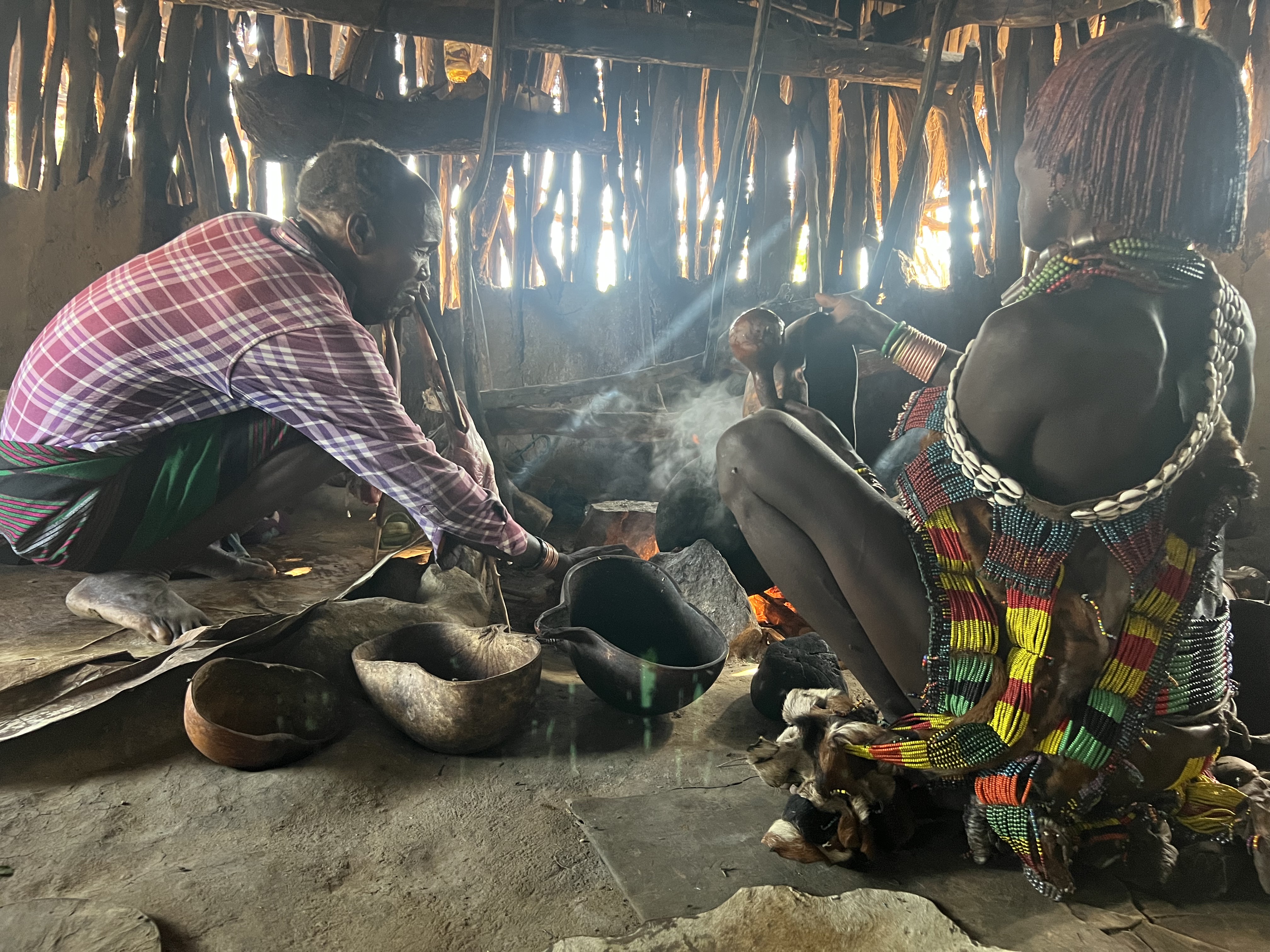
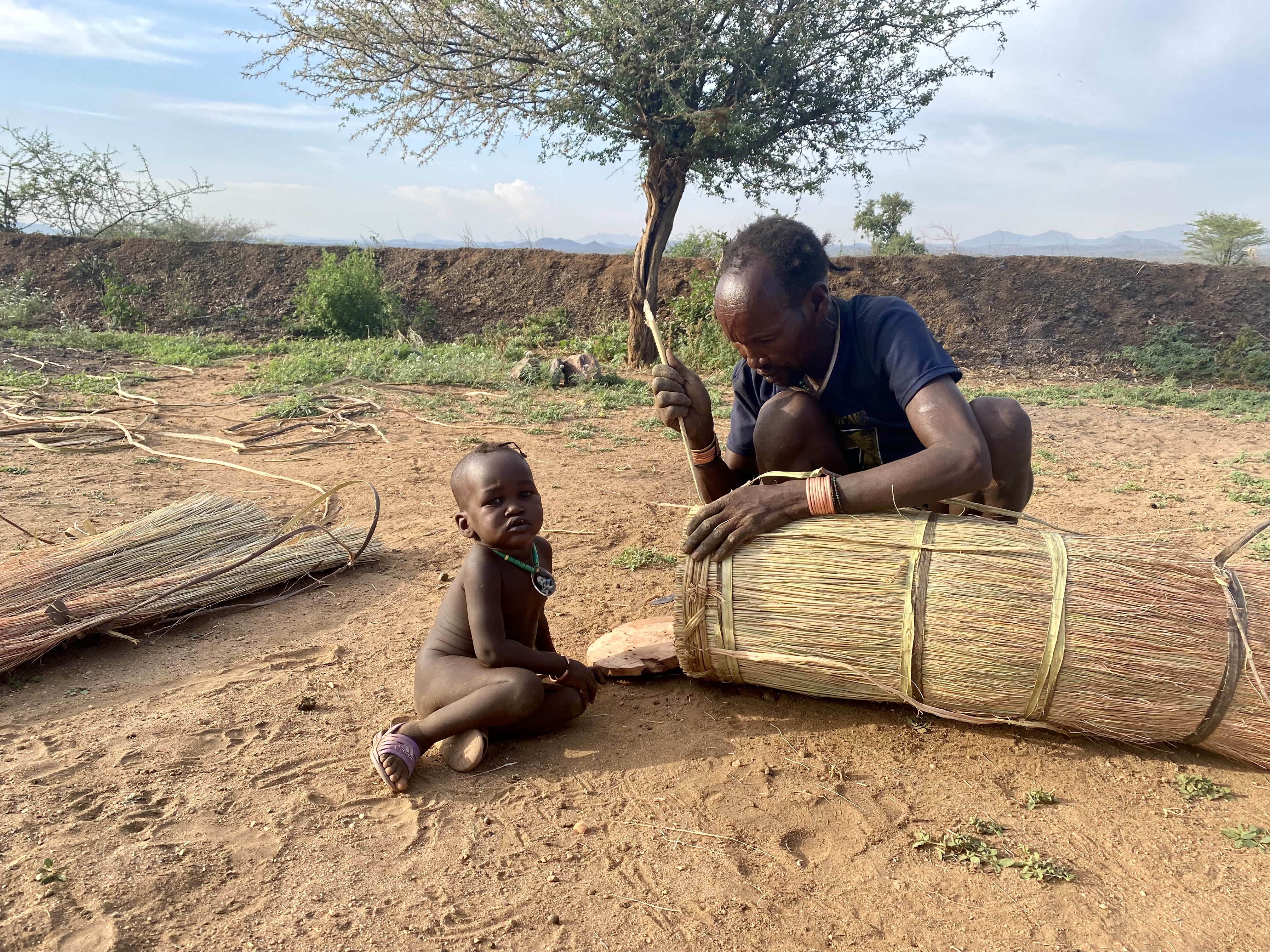
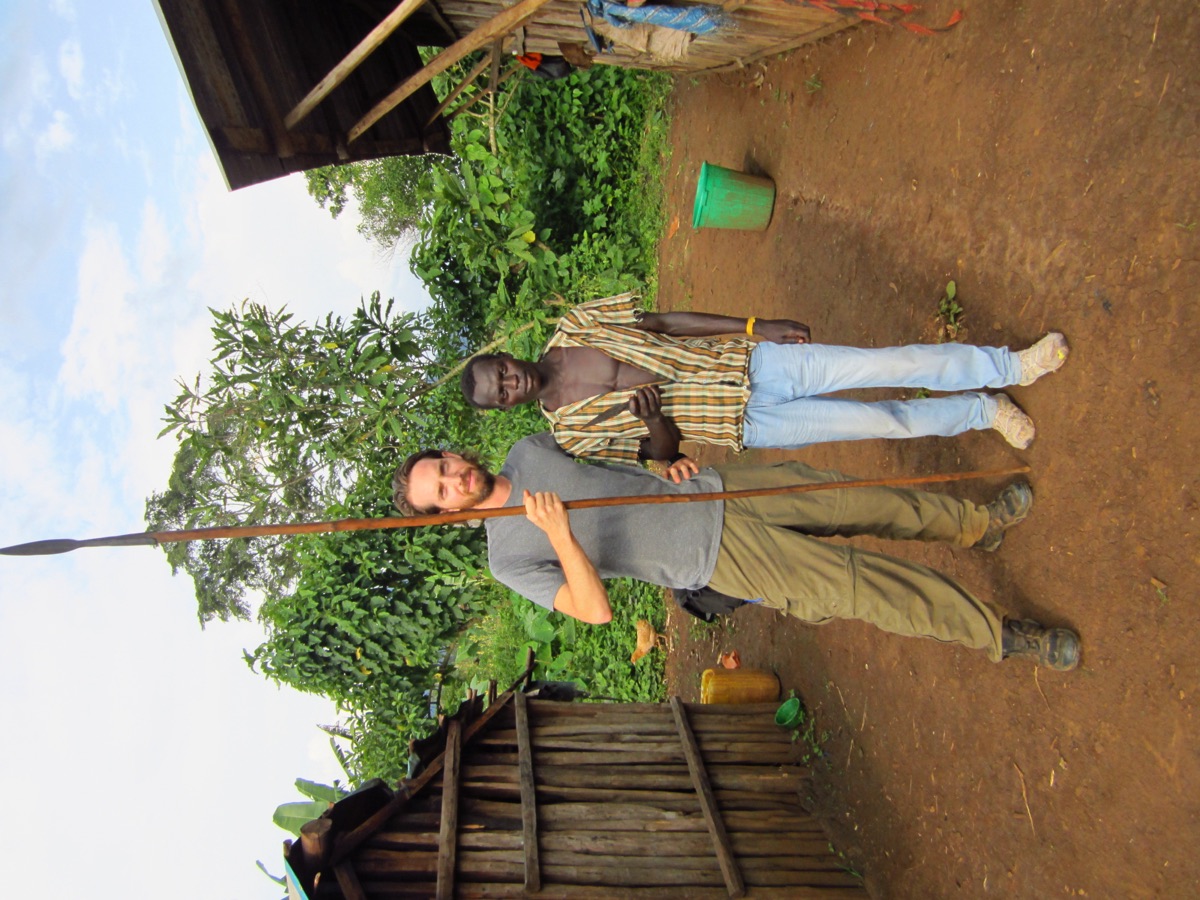
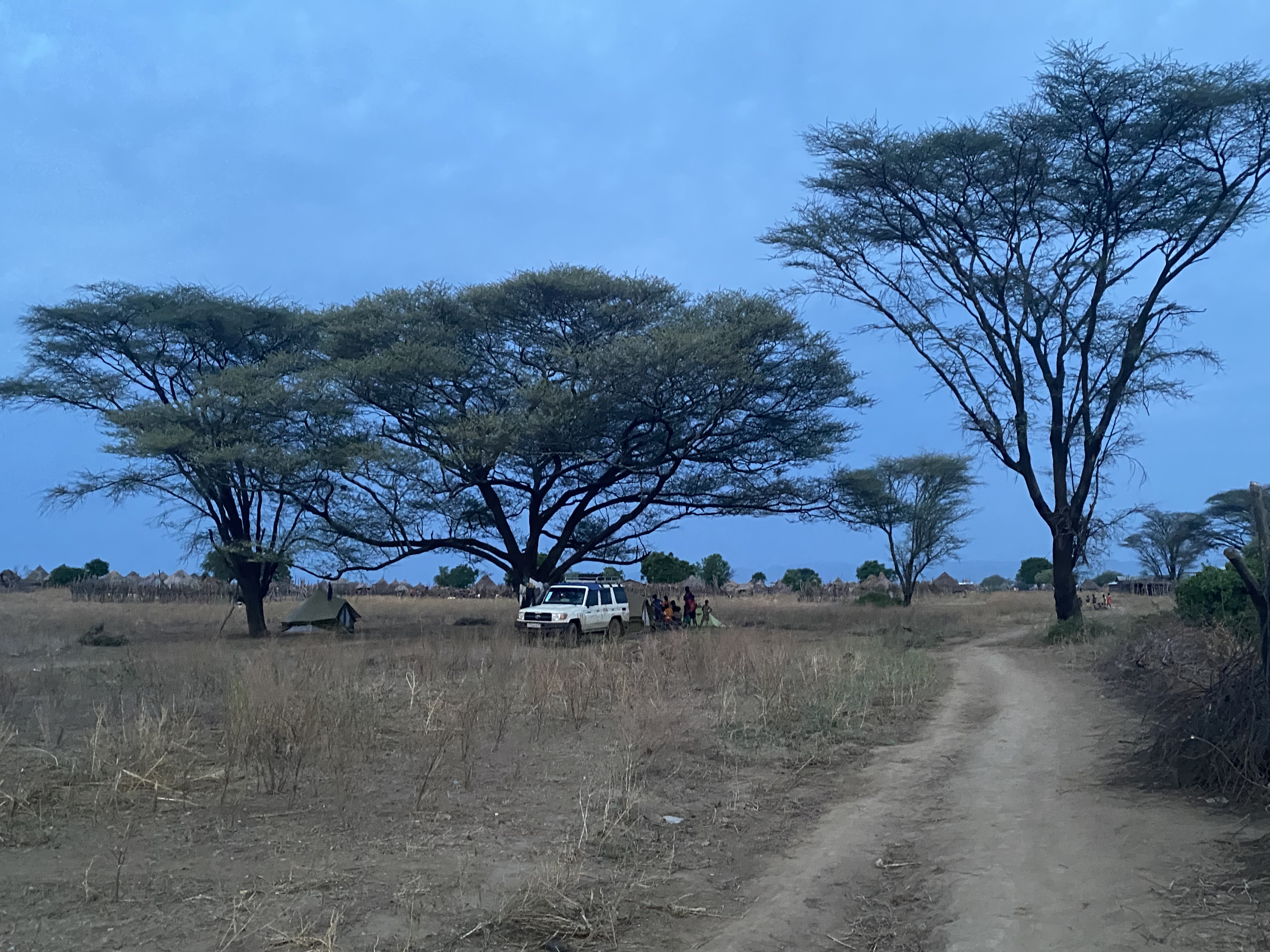
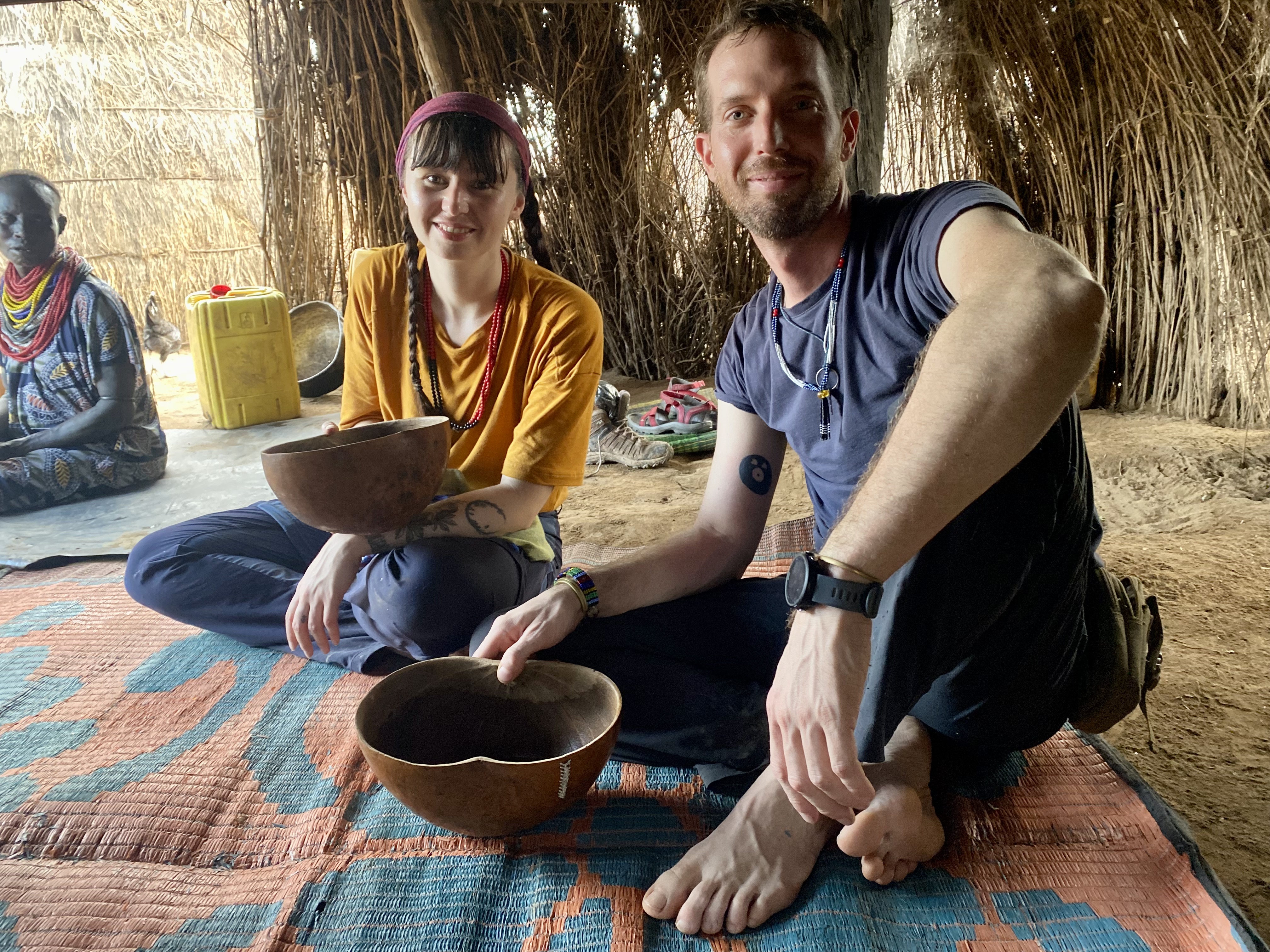
I have conducted ethnographic fieldwork in southwest Ethiopia since 2015, including among the Chabu forager-horticulturalists of the Sheka Forests and, since 2019, across four communities in the Omo Valley through the Omo Valley Research Project.
 2.JPG)
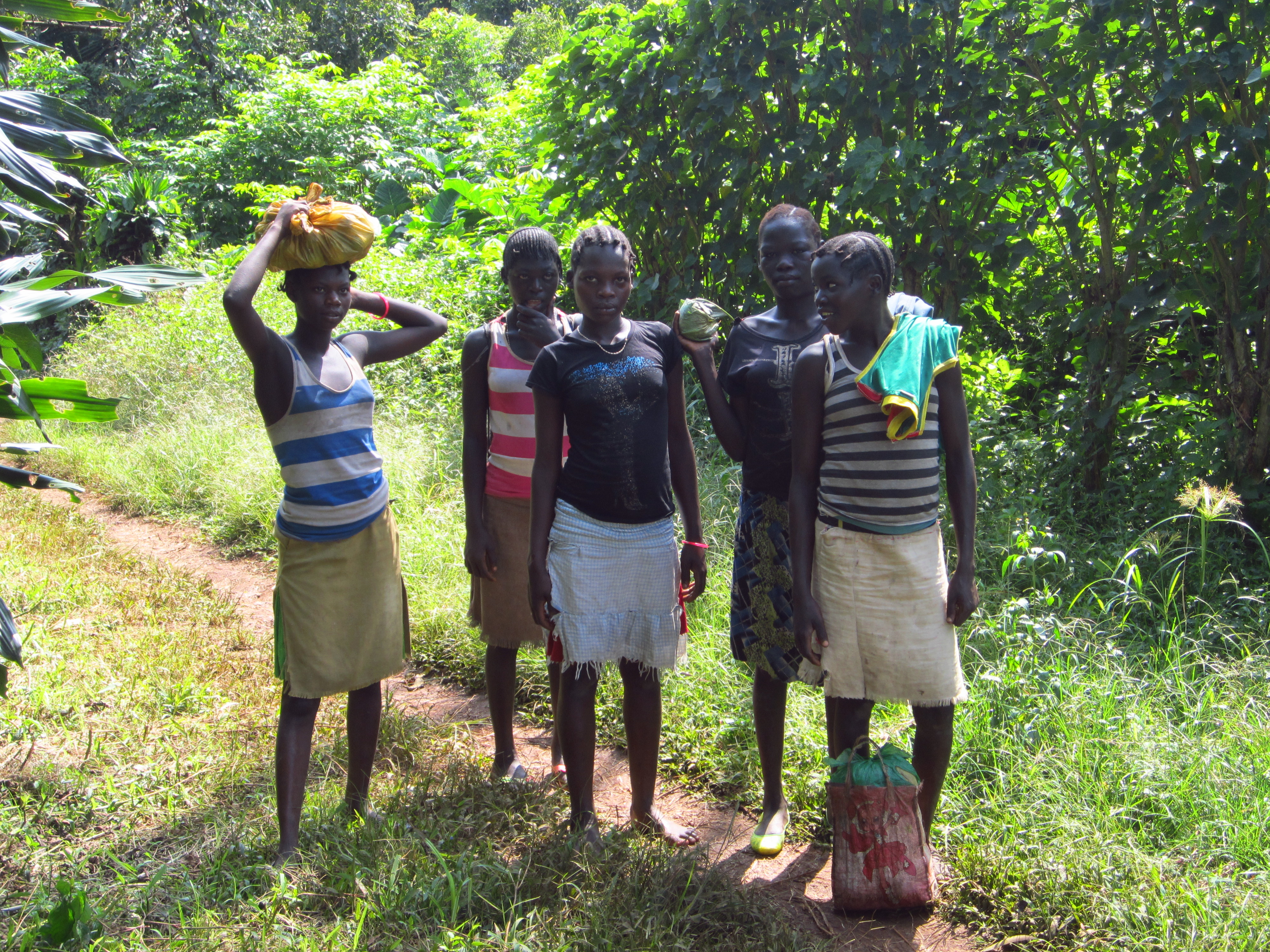
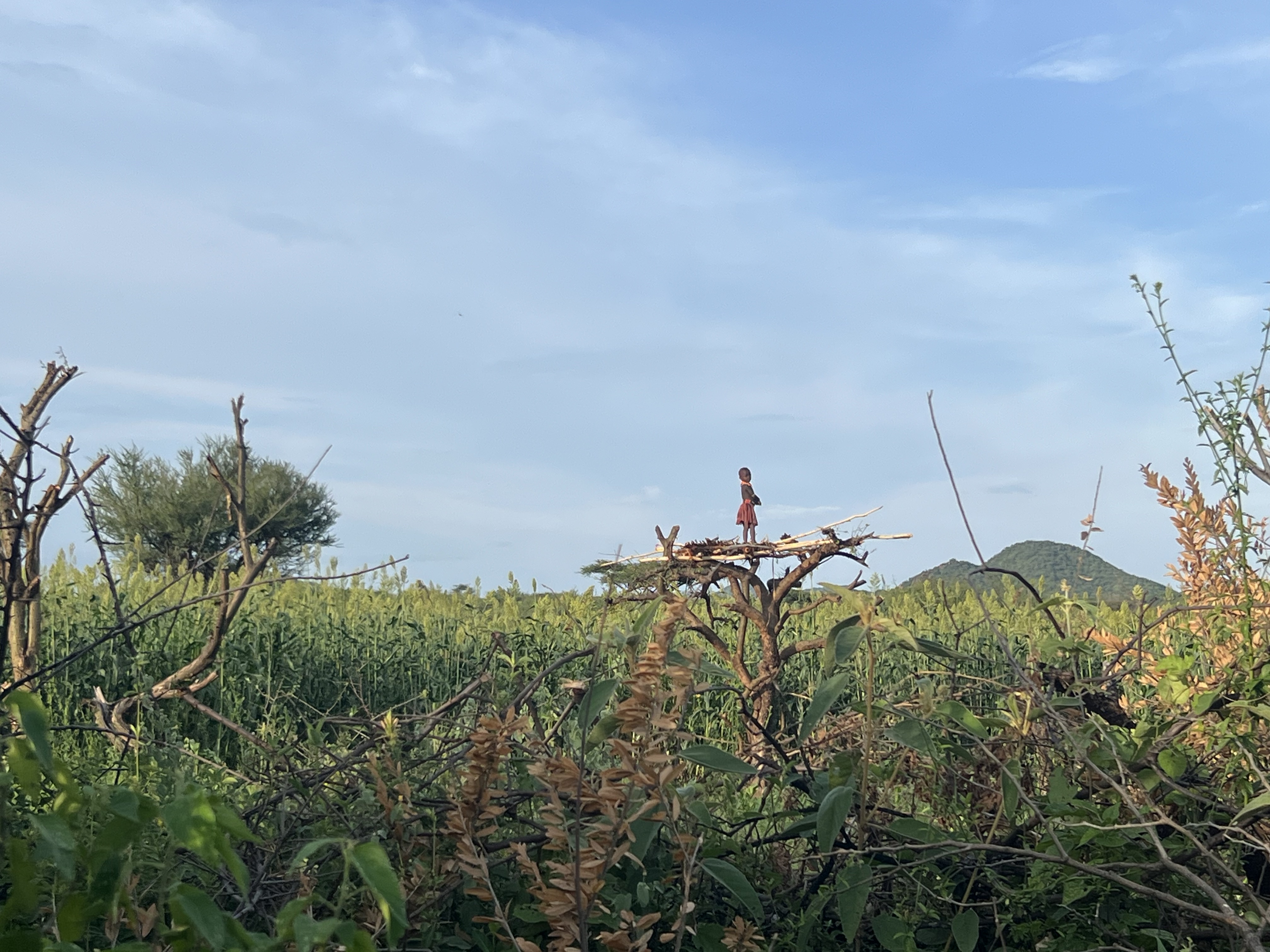
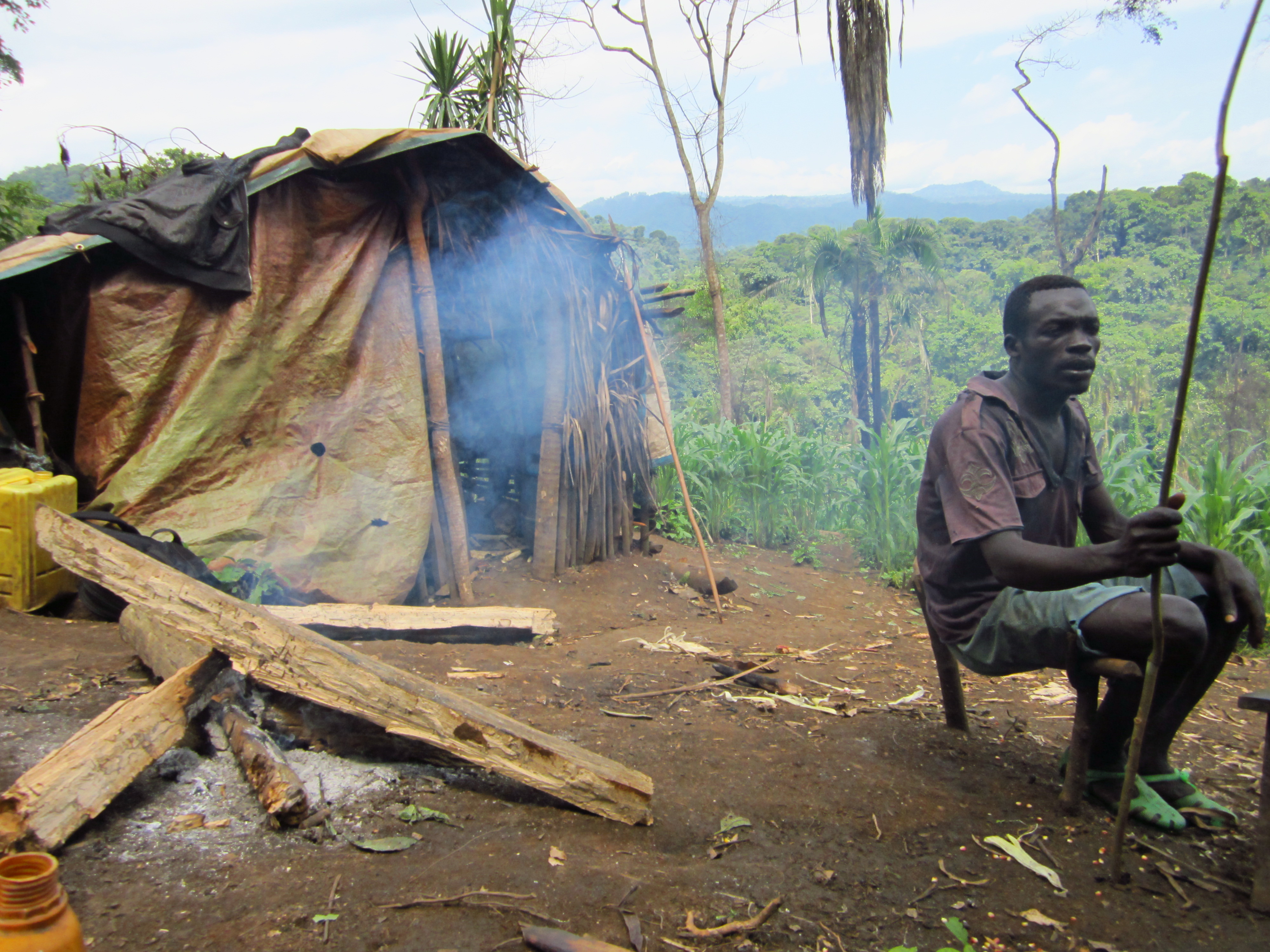
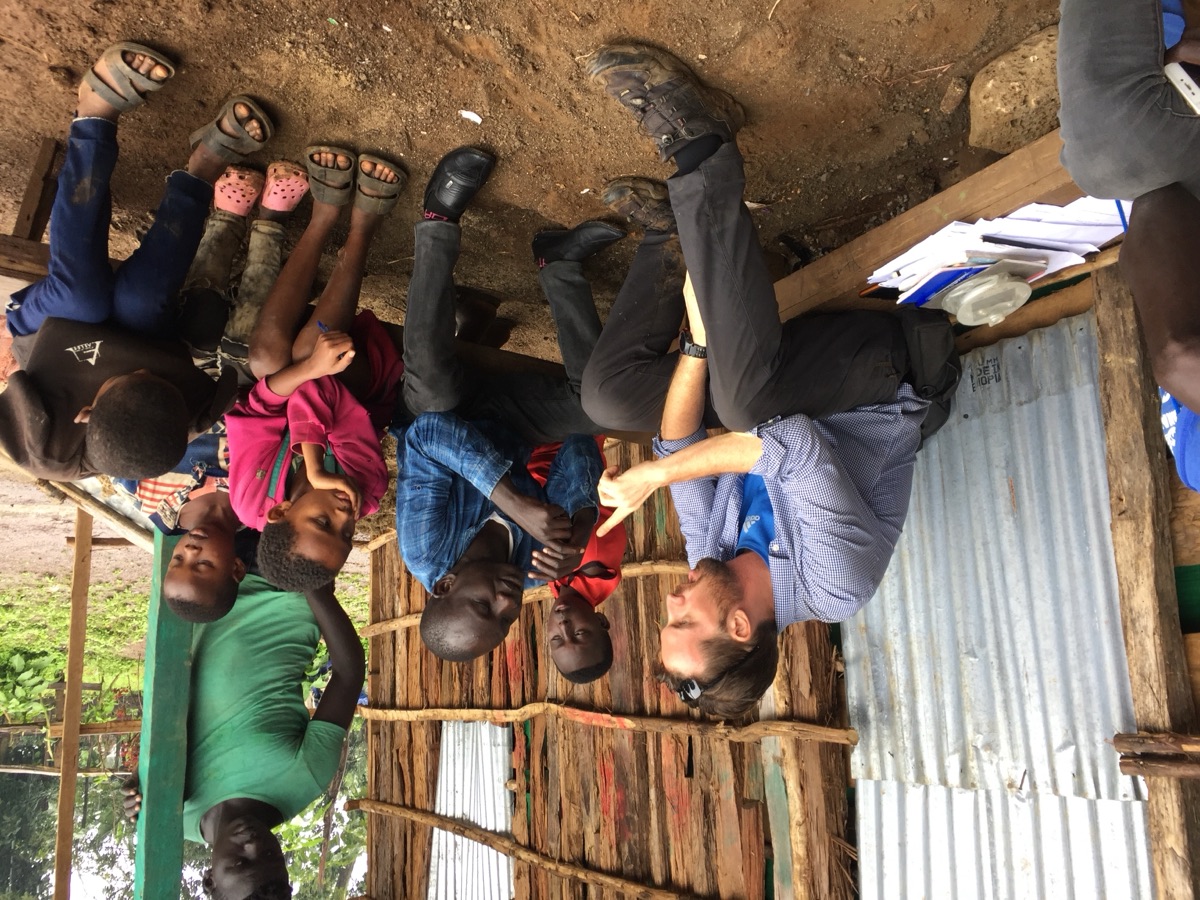
.jpg)
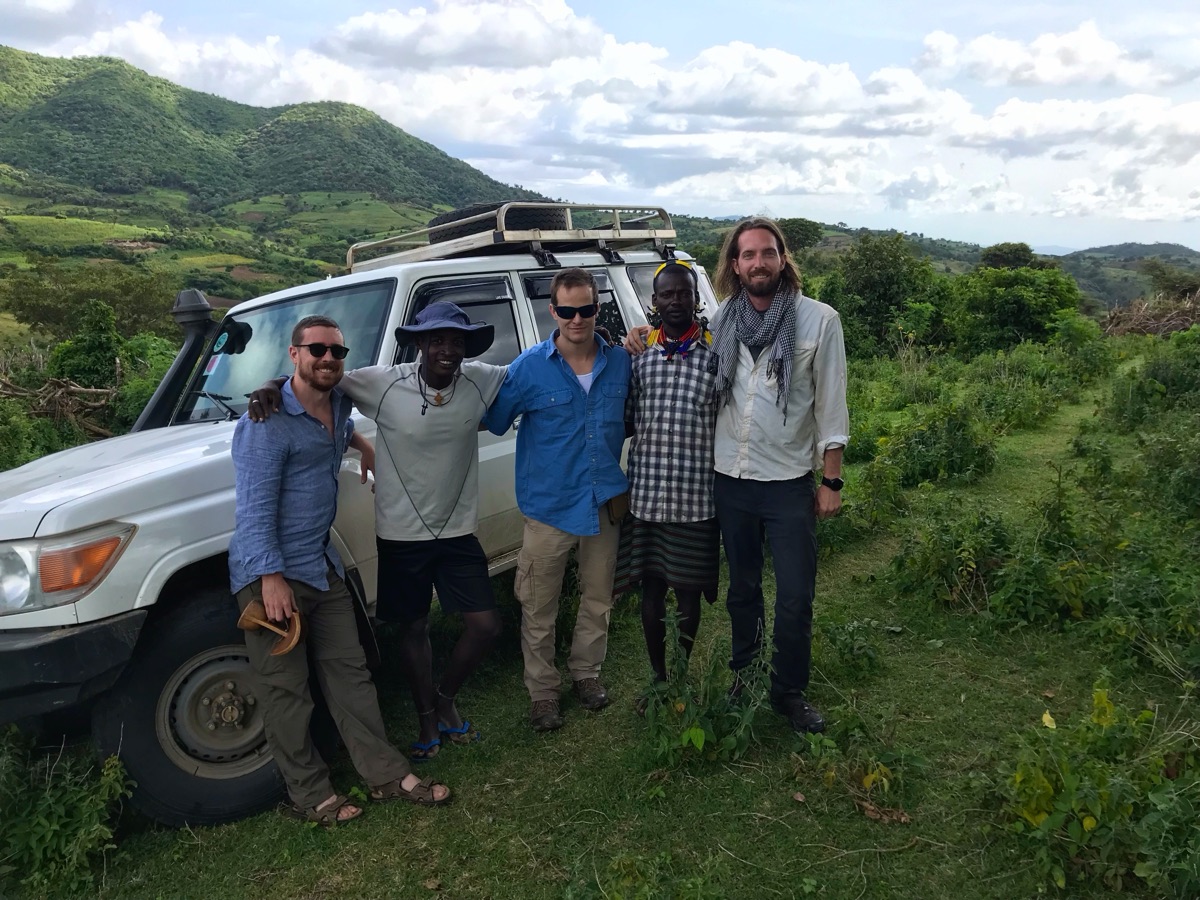
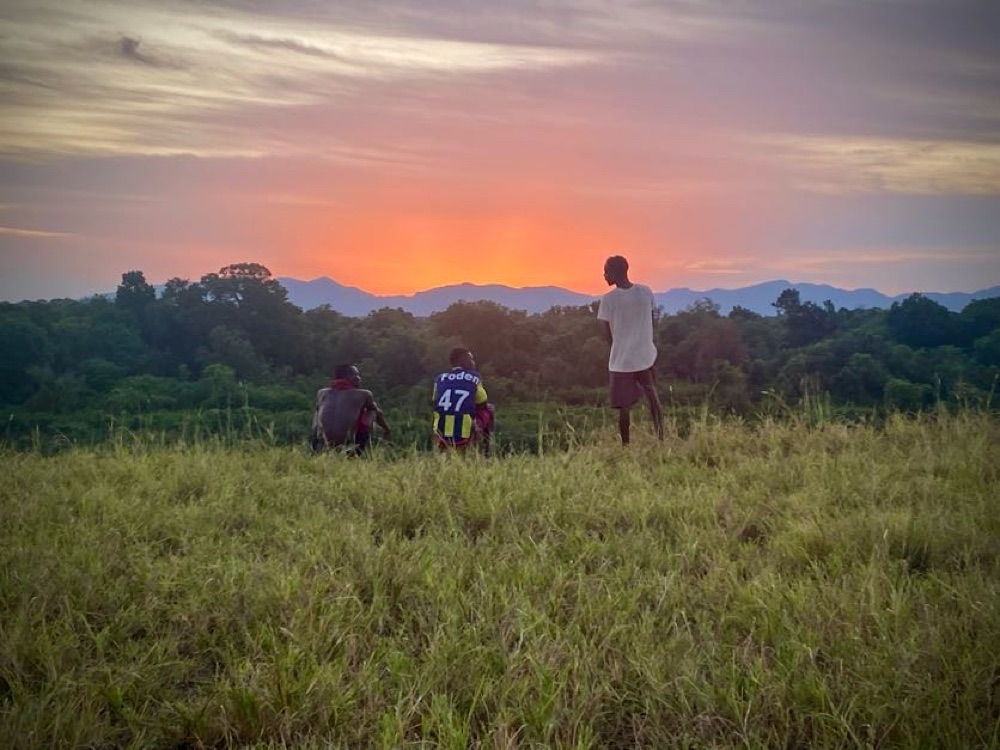
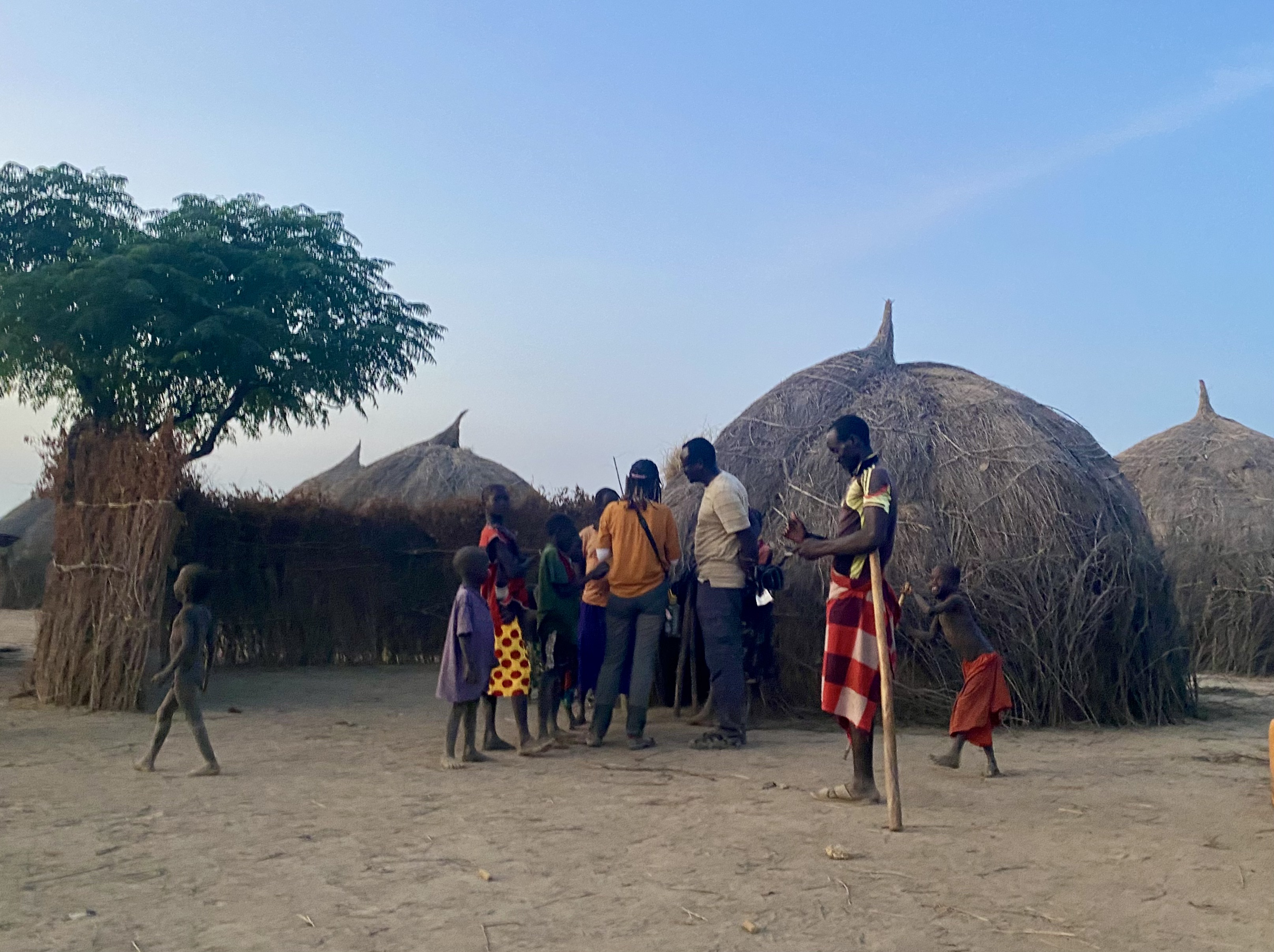
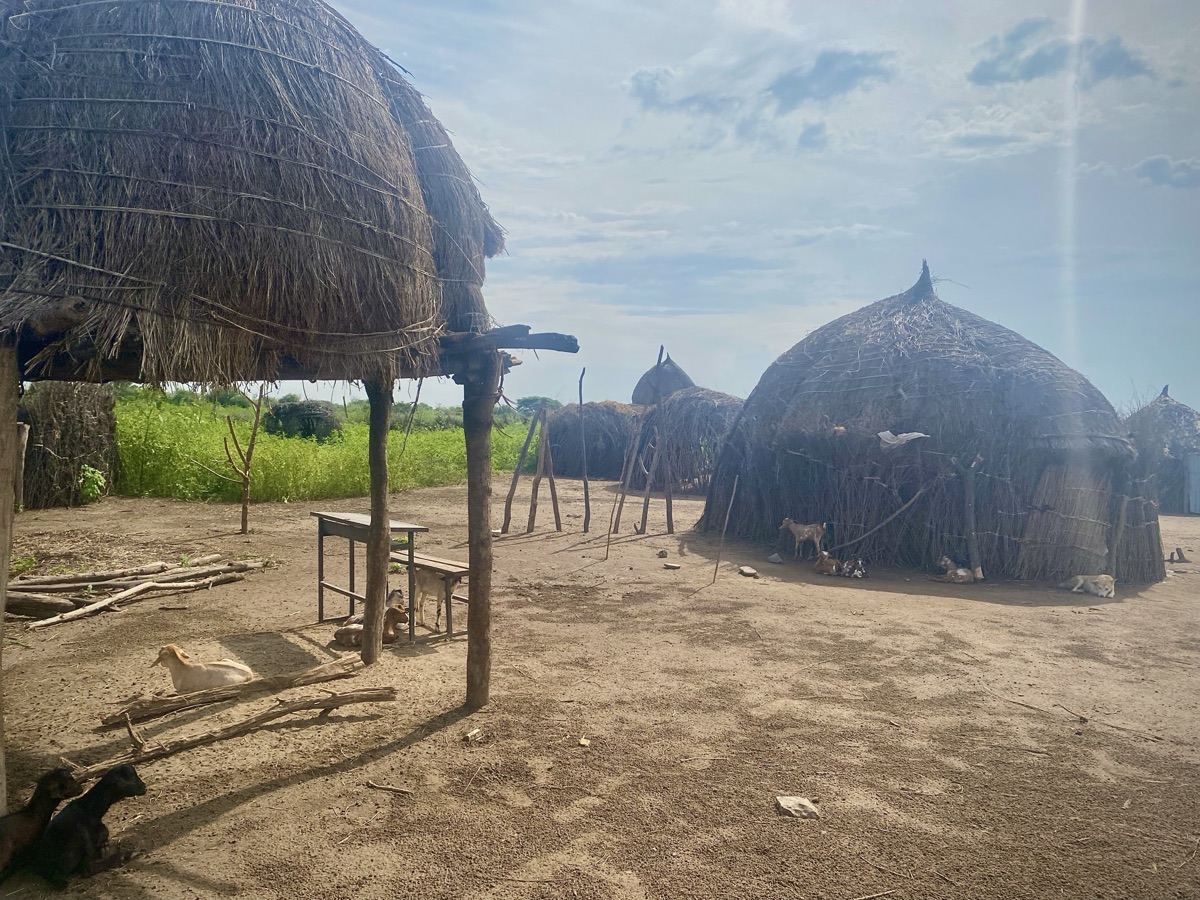
.jpeg)
The Omo Valley Research Project
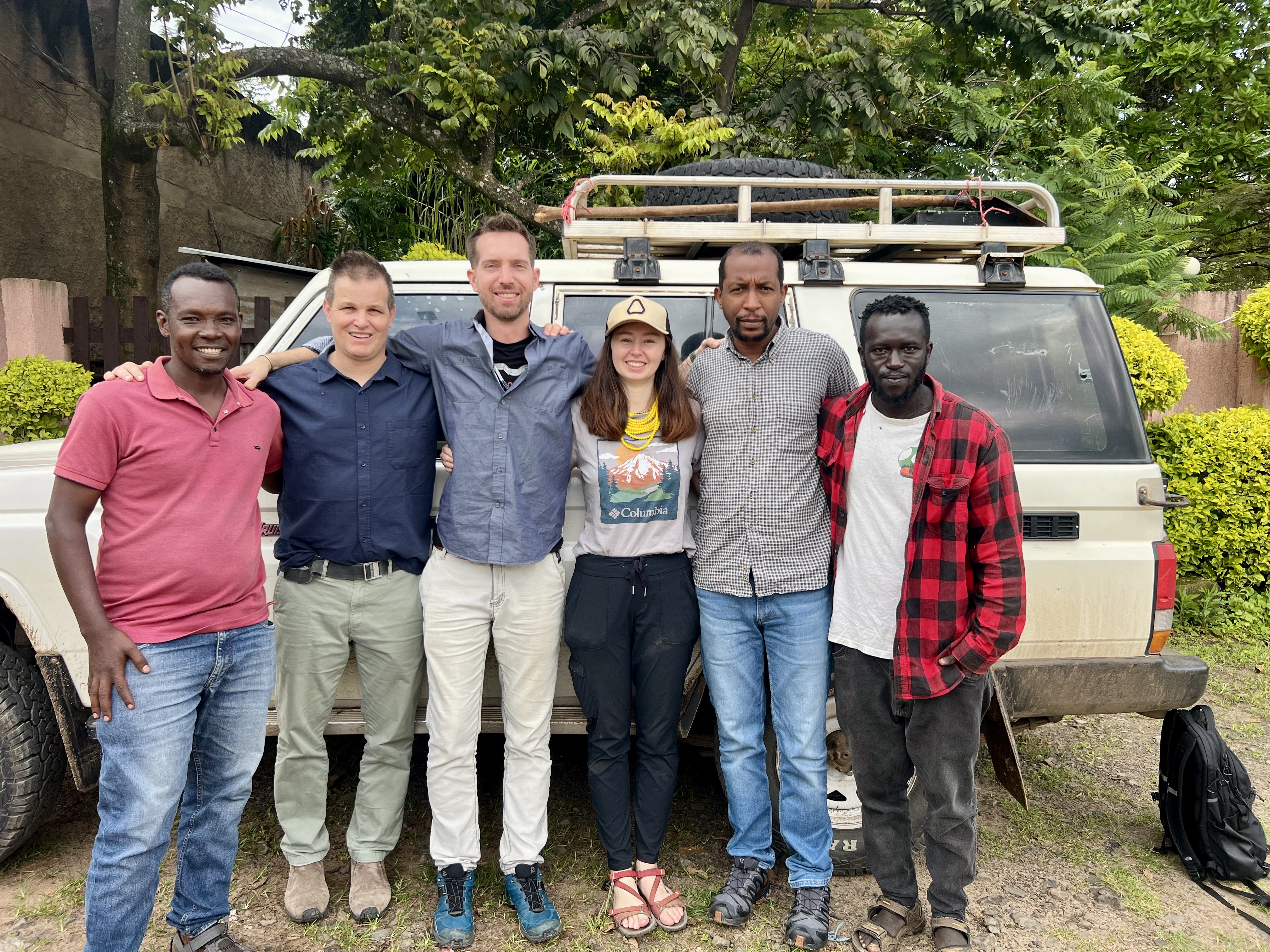
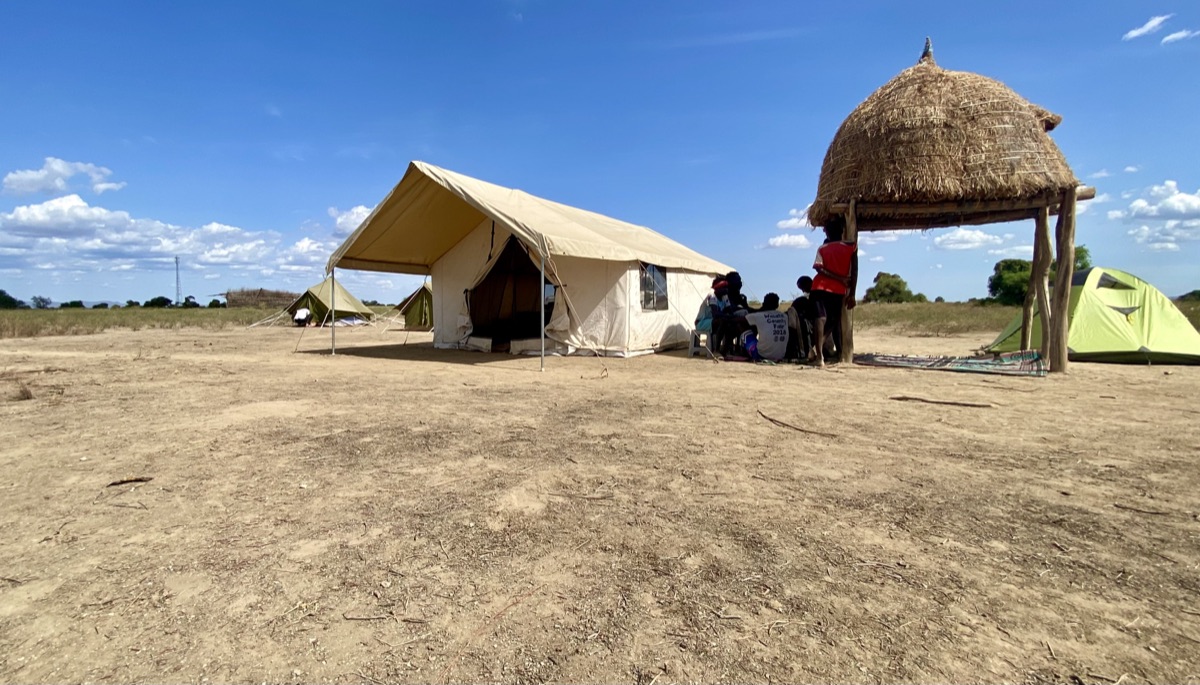
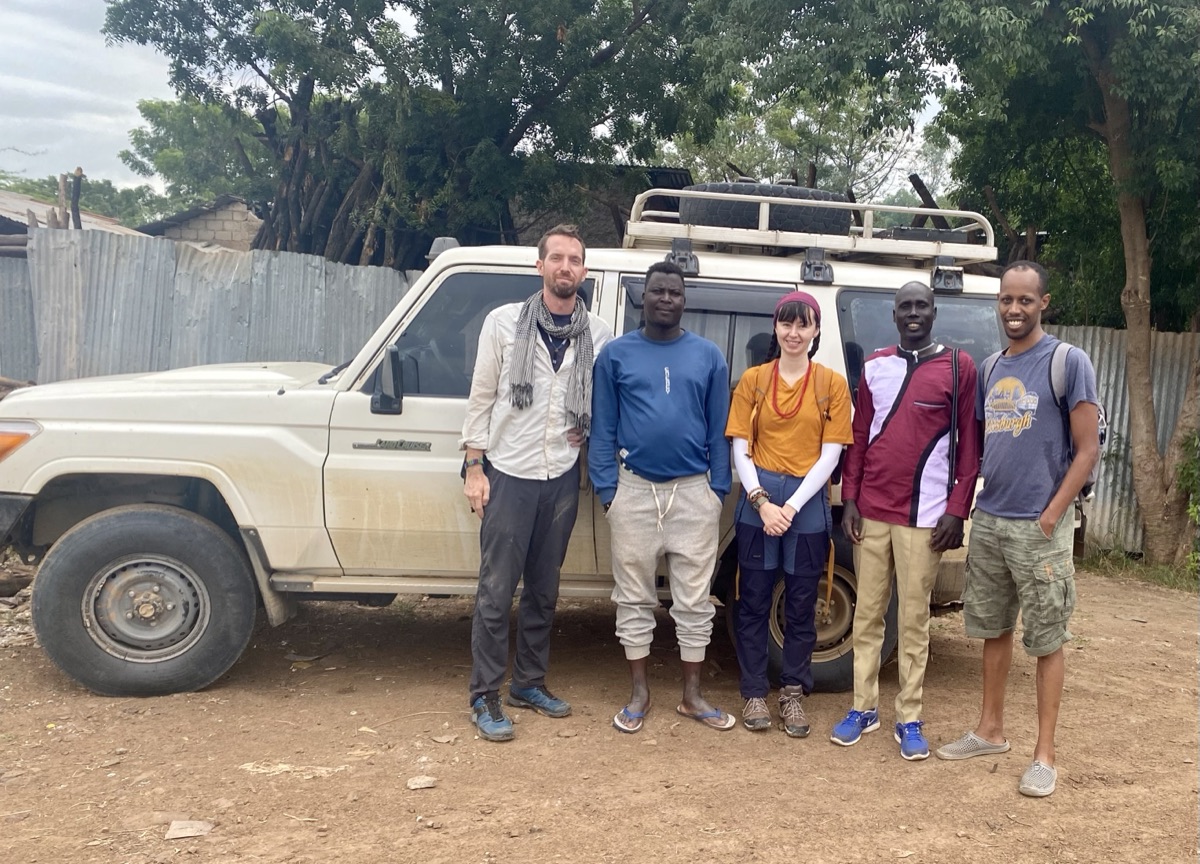
I co-founded the OVRP with Luke Glowacki and co-direct it with him and Maud Mouginot. Since 2019, OVRP has run comparative and longitudinal research across four ethnolinguistic communities in Ethiopia's Omo Valley.
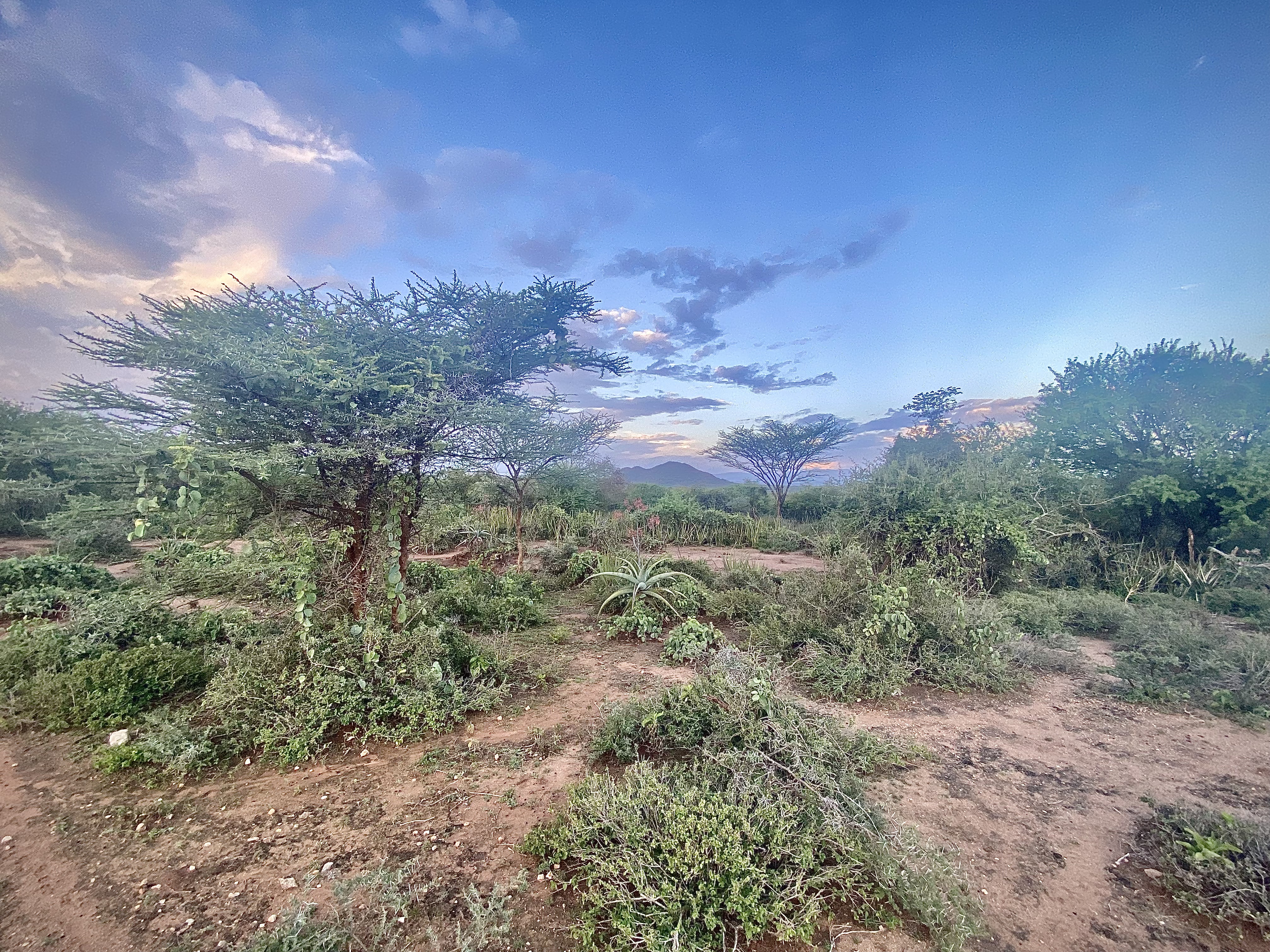
Despite their proximity, these communities differ across multiple dimensions: from the semi-nomadic Nyangatom to the densely settled Kwegu, from villages with functioning clinics to others with no medical access, from sharply stratified communities to flatter ones. These features don't covary, which is part of what makes the region an interesting comparative setting. At the same time, they share overlapping subsistence strategies, kinship-based social organization, and many of the same institutions for managing conflict, cooperation, and authority.
OVRP runs complete household censuses across all four communities, covering over 2,600+ households and roughly 4,000 individuals. The dataset combines demographic and reproductive histories, household economic profiles, social status measures, longitudinal network data, and health assessments.

Primary Field Sites
Open-source data collection for long-term fieldwork
AnthroCollect is a free, open-access data-collection app my co-PIs and I built for long-term, multi-community fieldwork. Running on Open Data Ensemble — an open-source platform for offline-capable, survey-based data collection — and tested over two years across our Omo Valley sites, it supports phonetic search, photo-based verification, and persistent links between individuals and households across surveys and seasons. It also includes a photo-based pairwise-comparison tool for producing standardized measures based on peer-rankings of traits or behaviors.
Learn more about AnthroCollect →